Every new phone seems to come with an unspoken rule: fit a screen protector before leaving the shop. But is it still required in an era of hardened display glass? The honest answer depends on your habits — and what modern glass can and cannot do.
Today’s screens use chemically strengthened glass and ceramic composites that survive drops far better than older panels. Yet “tougher” does not mean “invincible” — and the difference between scratching and shattering is where most people get confused.
Key Takeaways
- Modern display glass resists cracks well but still scratches — sand and grit are the main culprits, not keys.
- A protector is a cheap sacrificial layer that absorbs wear so your screen does not have to.
- Outdoor workers, parents, and resale-value keepers benefit most from using one.
- Careful users with clean habits and insurance cover can reasonably skip it.
- A well-fitted protector barely affects touch sensitivity or clarity.
- One screen repair typically costs more than a decade of replacement protectors.
How Modern Display Glass Actually Works
Today’s screens are chemically strengthened during manufacturing: the surface is compressed so cracks struggle to start or spread. Some phones add ceramic crystals to the glass, making panels harder to break from drops. In drop tests, these screens genuinely survive falls that would have destroyed older phones.
The catch is that resisting cracks differs from resisting scratches. Hardness is measured on the Mohs scale: even the toughest phone glass sits around 6–7, while quartz — the mineral in ordinary sand — is a 7. So common sand in your pocket, bag, or at the beach can scratch your screen.
Scratch vs Shatter: Two Different Battles
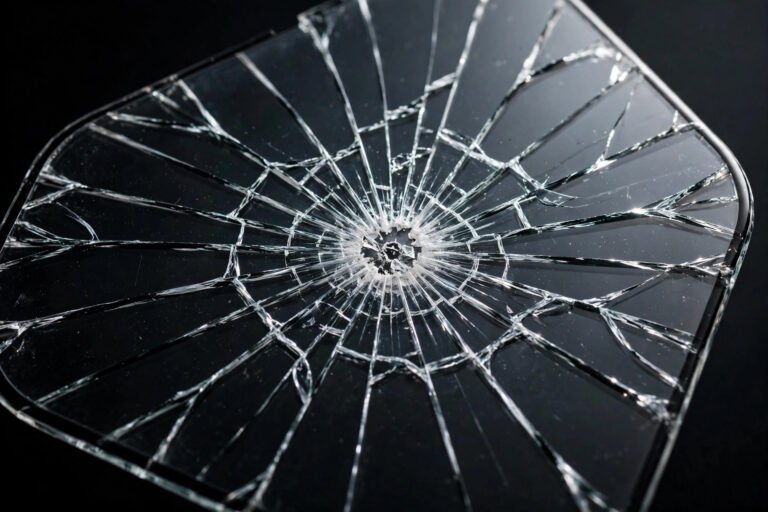
Your screen is now excellent at surviving the one big accident (a drop onto concrete) but still vulnerable to a thousand tiny ones (daily trips in and out of a gritty pocket). Shatter resistance has improved enormously; scratch resistance only modestly. A protector mainly guards against the second problem — and micro-scratches also create weak points where a future impact is more likely to crack the glass.
Where Scratches Actually Come From
The classic advice is “don’t put your keys and phone in the same pocket.” Ironically, keys are usually softer than your screen, so they rarely scratch it. The real enemy is grit: sand from the beach or a building site, dust on a workbench, debris in a handbag, or particles on a gym bench.
Each time you slide the phone across a surface or pull it from a gritty pocket, tiny hard particles drag across the glass. One pass rarely shows damage, but hundreds of passes over a year or two leave a hazy web of fine lines, obvious in sunlight — and a worn screen fetches noticeably less when you sell or trade in the phone.
- Shake out pockets and bags now and then, and wipe the screen with a clean microfibre cloth rather than your shirt — shirt fabric can trap the grit you are trying to remove.
Who Genuinely Needs a Screen Protector
Outdoor and Manual Workers
If your phone shares space with work gloves, toolboxes, or sandy pockets, a protector is the difference between a pristine screen and a frosted one within months.
Parents of Young Children
Phones handed to toddlers get dropped, chewed, and dragged across floors. A protector will not make a phone childproof, but it absorbs the daily abuse that would otherwise scar the display.
Resale-Value Keepers
If you upgrade every year or two and sell or trade in the old phone, screen condition directly affects the price. A protector is cheap insurance for that resale premium.
The Self-Aware Clumsy
Know yourself: if you have a history of cracked screens, a tempered glass protector meaningfully reduces your odds of paying for a repair, since it absorbs impact energy. Paired with a case, it covers the two most common damage scenarios.
Who Can Reasonably Skip One
Careful Users With Clean Habits
If your phone lives in a dedicated pocket, never shares space with grit, and is never placed face-down on rough surfaces, the screen may stay nearly flawless for years. Discipline is a free alternative to a protector — it just requires consistency.
People With Insurance or Warranty Cover
If you pay for device insurance or accidental-damage cover, a cracked screen becomes an inconvenience with a fixed excess rather than a financial shock. That weakens the economic case for a protector — though it still will not stop cosmetic micro-scratches.
Short-Term Owners
Keeping a phone for six months? Micro-scratches accumulate slowly, and you may hand the phone on before they show. The longer you keep a device, the stronger the case for protecting it.
The Cost-Benefit Maths
A decent protector costs a few pounds, and even replacing it yearly means a decade of protectors still costs a fraction of a single out-of-warranty screen repair. You are buying a sacrificial surface: the protector takes the damage, you peel it off, and the real screen underneath is untouched. The maths only flips if you genuinely never damage screens — though most people overestimate their carefulness and underestimate how much grit their pockets contain.
- If your phone has an in-display fingerprint sensor, re-register your fingerprints after fitting the protector — the sensor then learns your print through the extra layer, which fixes most missed reads.
Tempered Glass vs Film: A Quick Primer
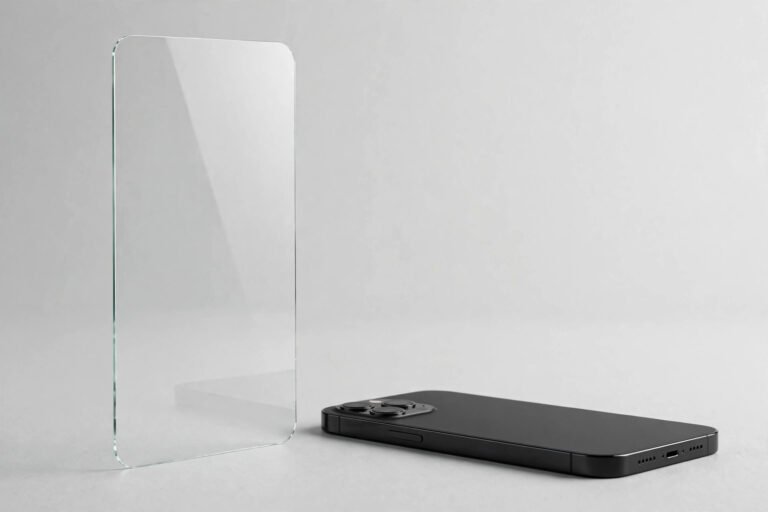
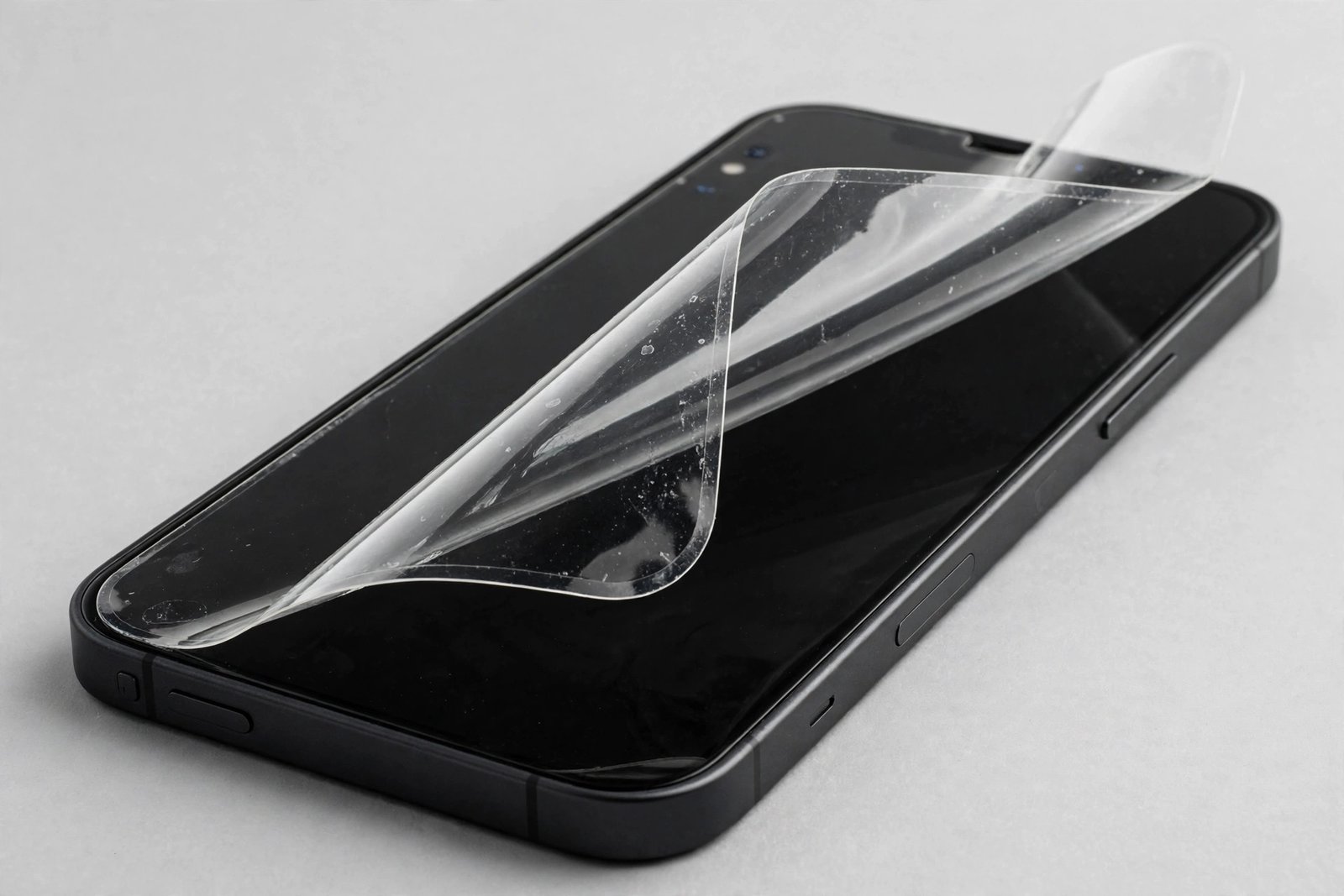
There are two main types. Tempered glass is rigid, feels closest to the bare screen, and absorbs impact — a hard knock may crack the protector while sparing the display. Plastic film is thinner and cheaper and excels against scratches, but does little against drops and can feel slightly rubbery. For most people, tempered glass is the better all-rounder; film suits curved screens, where rigid glass struggles to adhere.
Common Myths, Addressed Honestly
“A protector ruins touch sensitivity”
With a properly fitted, reasonably thin protector, most users notice no difference. Problems come from poor fits — bubbles, lifted edges, or cheap, overly thick glass — not from the concept itself.
“It makes the screen look worse”
A clean, quality protector is optically clear and effectively invisible in normal use. What genuinely makes screens look worse is a scratched, unprotected display — or a protector left on long after it has cracked.
“Modern glass doesn’t need protection”
Half true. Modern glass genuinely needs little help against shattering from typical drops. But no manufacturer claims it is scratch-proof, and the Mohs-scale reality of sand versus glass has not changed.
Frequently Asked Questions
Will a protector stop my screen from cracking?
It helps, but it is not a guarantee. A tempered glass protector absorbs and spreads impact energy, so many drops that would have cracked the display only crack the protector — but a severe drop onto a corner or sharp point can still damage the screen beneath. Think risk reduction, not invincibility.
Can I just use a case instead?
A case with a raised lip defends against face-down drops and corner impacts, but does nothing about the grit in your pocket slowly sanding the display. The two work best together — but against scratches alone, the protector wins.
How often should I replace a screen protector?
Replace it as soon as it is visibly cracked or deeply scratched. An intact one can last a year or more, though its fingerprint-resistant coating wears off gradually; if the screen starts feeling grippy or smudgy, the coating has worn thin.
So, is a screen protector necessary? Not strictly — your phone will work perfectly well without one. But it remains one of the cheapest ways to keep a display looking new, and its cost is trivial next to a repair. Unless you are genuinely careful, well-insured, or upgrading soon, fitting one is the sensible default.