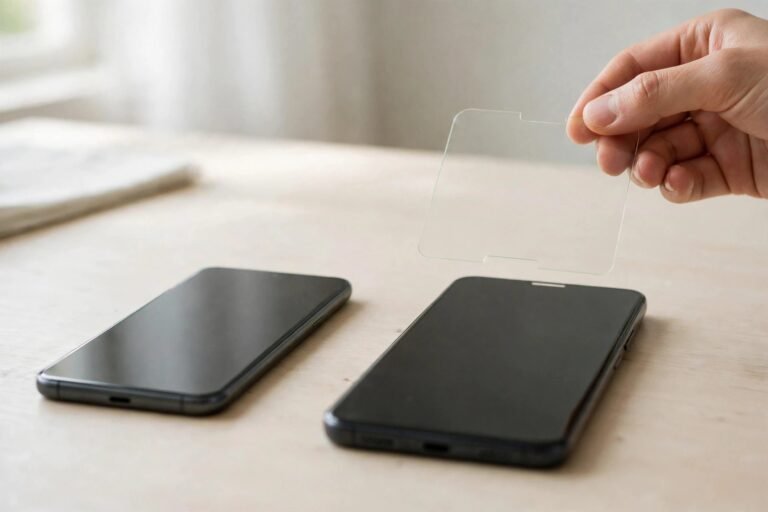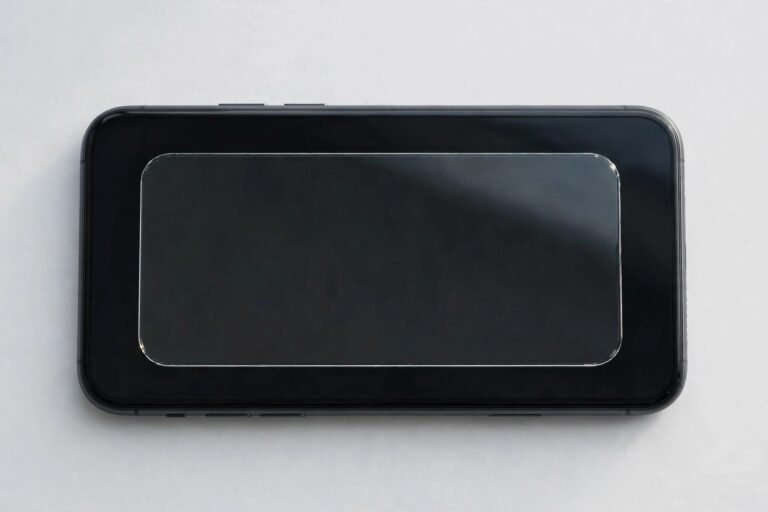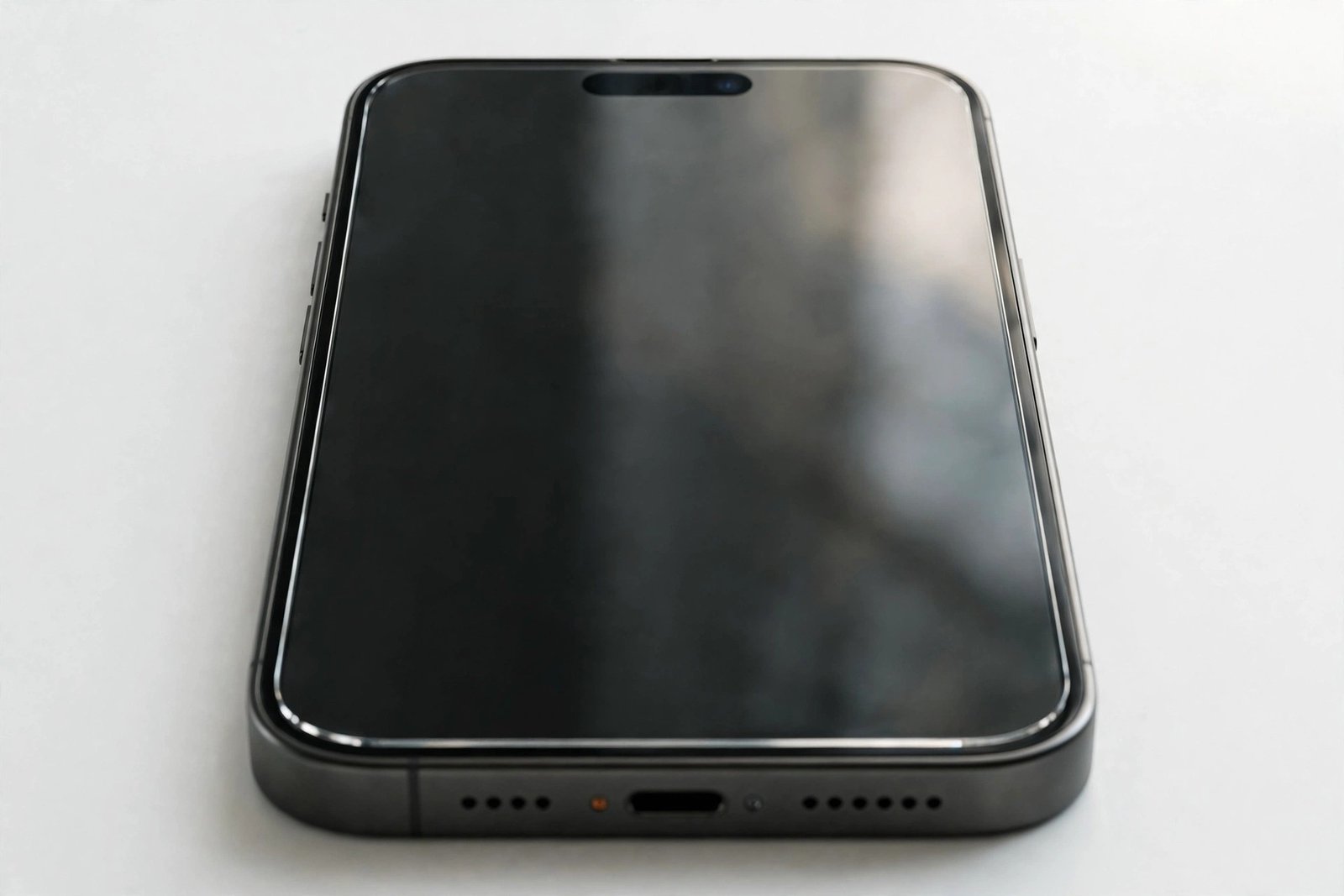
Every iPhone since the 12 has shipped with Ceramic Shield — Apple’s marketing name for its toughened display glass, which the company claims is tougher than any other smartphone glass. It is genuinely good glass: drop tests show iPhones surviving falls that would have shattered older models. So it is fair to ask whether the screen protector, that humble sheet of add-on glass, is still necessary at all.
The honest answer is that Ceramic Shield changed the equation but did not end the debate. It is much harder to shatter than old display glass — but it scratches much like it always did. Whether you need a protector depends on which of those two threats worries you more, and how you treat your phone day to day.
Key Takeaways
- Ceramic Shield is genuinely shatter-resistant — drop survival is far better than on pre-2020 iPhones.
- It is not meaningfully more scratch-resistant than older glass; keys, sand, and grit still mark it.
- If you pocket your phone with keys or work around grit and dust, a protector still earns its keep.
- If you are careful, use a case with a raised lip, and never mix pockets, you can reasonably skip one.
- A protector also preserves resale value — a pristine display is worth real money at trade-in.
What Ceramic Shield Actually Improved
Ceramic Shield embeds nano-ceramic crystals into the glass matrix, which interrupt crack propagation — the process by which a small impact fracture spreads across the whole display. In practical terms, the phone is far more likely to survive a waist-high drop onto pavement with its screen intact. Independent drop tests consistently show modern iPhones walking away from falls that destroyed earlier generations.
But crack resistance and scratch resistance are different properties, and improving one does not automatically improve the other. The surface hardness of Ceramic Shield — what resists keys and sand — is roughly in line with previous iPhone glass. Apple never claimed otherwise; the marketing has always been about drop performance, not scratch immunity.
The Scratch Reality
This is where protectors still matter. Quartz — the main component of sand and household dust — is harder than any smartphone display glass, Ceramic Shield included. A single grain of sand in your pocket, dragged across the screen as you pull the phone out, will leave a permanent hairline scratch. Keys are softer than the glass and technically should not scratch it, but keys carry grit, and grit does the damage.
These micro-scratches accumulate. After a year of unprotected pocket life, most iPhone displays show a web of fine scratches visible in sunlight — not cracks, not damage that affects function, but a hazy, tired-looking screen that photographs badly at trade-in time. A protector takes all of that abuse instead, and gets replaced for a few pounds when it looks worn.
- The cheapest scratch insurance is behavioural, not a product: dedicate one pocket to the phone and nothing else. No keys, no coins, no grit. Owners who do this — protector or not — have dramatically cleaner displays after a year.
When You Can Reasonably Skip the Protector
There is a genuine case for going without. If you keep your phone in a dedicated pocket, use a case with a raised front lip that keeps the display off surfaces, never set it face-down on rough tables, and upgrade every year or two, the risk profile is low. Many careful owners run protector-free for years with pristine screens — it is absolutely doable with discipline.
The feel argument is real too. No protector, however good, feels exactly like bare glass — there is always a faint edge, a slight difference in slickness. If you love the naked-display feel and your habits are careful, skipping the protector is a legitimate lifestyle choice, not negligence.
When a Protector Is Still the Smart Move
Get one if any of these sound like you: the phone shares a pocket or bag with keys and loose items; you work outdoors, on building sites, or around children; you keep phones for three or more years; or you plan to trade in or sell and want top resale value. A scratched display can knock a meaningful amount off a trade-in offer — far more than the protector cost.
Parents handing old iPhones to kids, tradespeople, and anyone whose phone lives a chaotic life should treat a tempered glass protector as non-negotiable. The drop protection Ceramic Shield provides is excellent, but it is not infinite — and a protector is cheap redundancy for the one drop that finds the wrong angle.
- If you decide to use one, get a protector with an alignment frame and case-friendly sizing. A badly fitted protector that lifts at the edges is worse than none — it traps grit underneath and looks terrible. Fit it once, fit it right.
Frequently Asked Questions
Is Ceramic Shield scratch-proof?
No. Ceramic Shield is engineered for drop and shatter resistance, not scratch immunity. Sand, grit, and other hard particles can still scratch it just like previous iPhone glass.
Will AppleCare cover a scratched screen?
Cosmetic scratches are generally not covered as damage — AppleCare covers cracks and malfunctions, not gradual wear. A protector is far cheaper than living with scratches or paying for a screen replacement.
Does a screen protector affect Face ID or touch?
A properly fitted quality protector does not affect Face ID at all, and touch sensitivity is essentially unchanged. If touch feels off after fitting, the protector is likely misaligned or too thick — refit or replace it.
Modern iPhones are tougher than ever — but toughness against drops is not toughness against scratches. Know which threat your lifestyle actually presents, and decide accordingly: careful owners can skip it, everyone else should spend the few pounds.