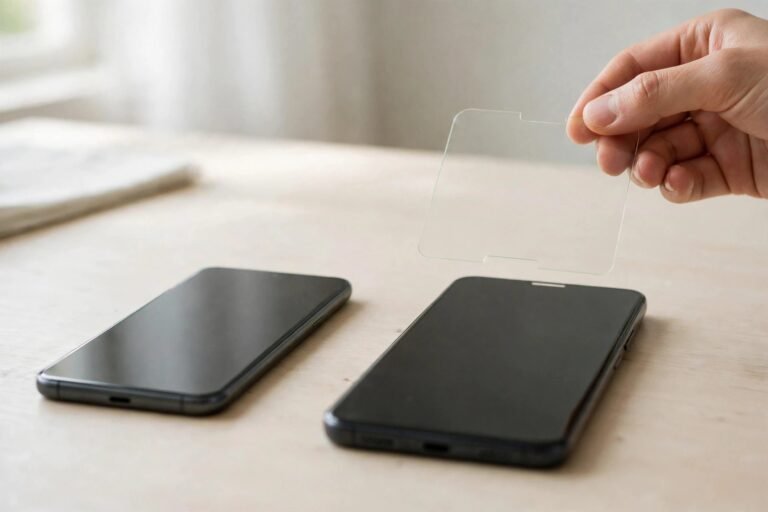
Privacy screen protectors occupy a strange corner of the accessory market: they solve a problem — shoulder surfing — that many people have never consciously experienced, while introducing trade-offs — dimmer displays, narrower viewing angles — that everyone notices immediately. It is no wonder buyers hesitate. Should you actually get one, or is it a solution in search of a problem?
The answer depends almost entirely on where and how you use your phone. This guide walks through who genuinely benefits from a privacy protector, what you give up for the privilege, and the situations where you should definitely skip it — so you can decide with open eyes rather than marketing promises.
Key Takeaways
- Get a privacy protector if you regularly handle sensitive information — banking, work documents, private messages — in public places.
- Commuters, frequent flyers, and open-plan office workers are the core audience; the benefit is real for them.
- Expect a dimmer display, narrower viewing angles, and the need to run higher brightness.
- Skip it if you mostly use your phone at home, share your screen often, or watch a lot of video with others.
- Quality varies enormously — cheap privacy film is murky and frustrating; good privacy glass is far more livable.
Who Actually Benefits
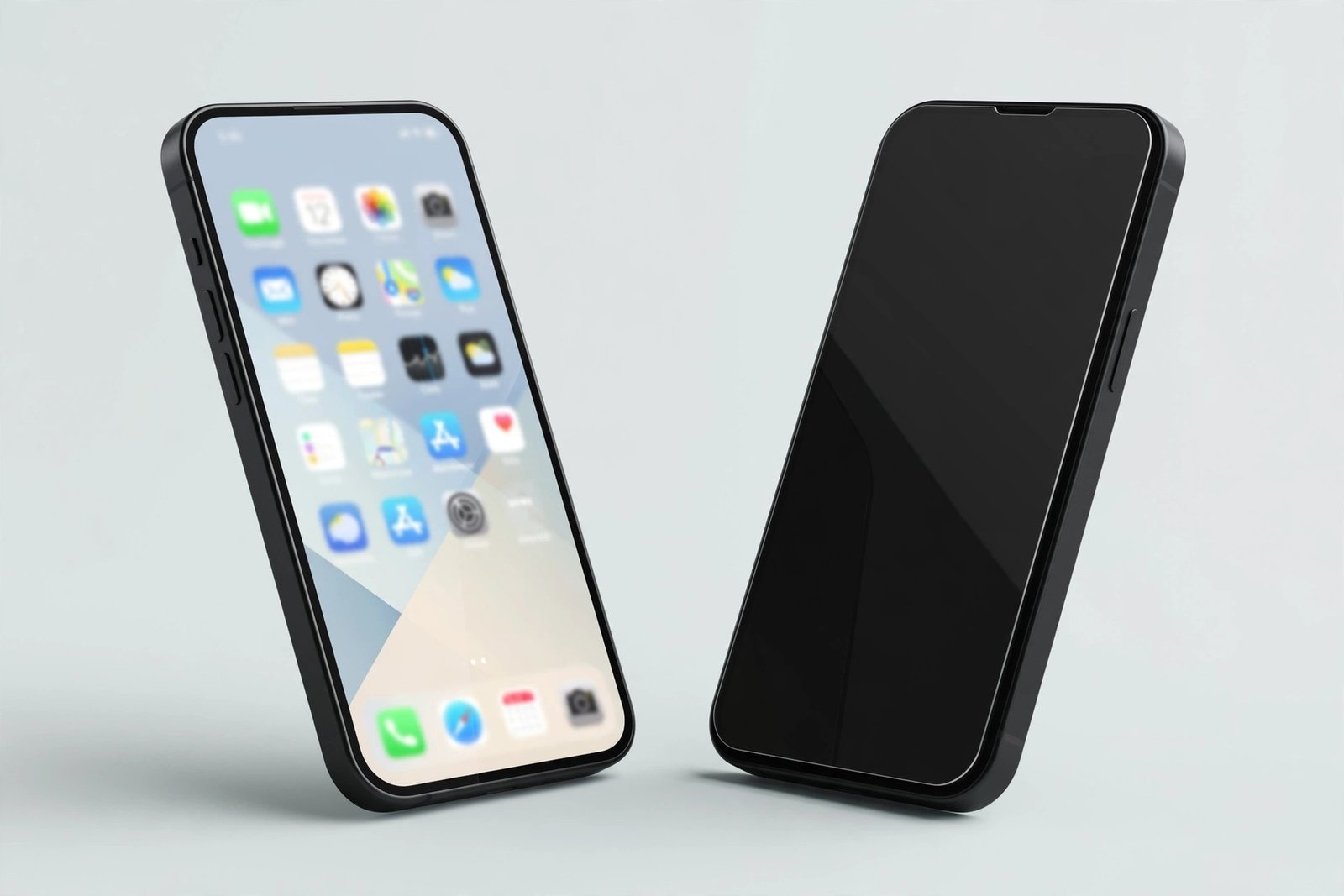
Start with an honest audit of your screen time. If your typical day includes checking bank balances on the train, triaging work email in a crowded café, messaging about personal matters on a flight, or entering passwords and codes with strangers nearby, a privacy protector earns its place. The micro-louvre layer genuinely works: from even a moderate side angle, your screen goes dark to everyone but you.
Certain professions make the case even stronger. Anyone handling client data, medical information, financial details, or confidential work product in public has a professional — sometimes legal — reason to shield their display. For these users the protector is not a gadget but a compliance-adjacent tool, and its cost is trivial against the risk it mitigates.
What You Give Up
Be clear-eyed about the costs. The louvre layer absorbs a significant share of the display’s light, so everything looks dimmer — you will run higher brightness, which drains battery faster. Viewing angles collapse: tilt the phone even slightly and the image darkens, which makes casual glances at a phone lying on a desk frustrating. Colours lose a little vibrancy, and whites can take on a faint grey cast.
There are social costs too. Showing a photo to a friend means handing over the phone or turning it awkwardly toward them. Watching a video together on one screen becomes an exercise in huddling. If your phone is a shared social object — and for many people it is — a privacy protector actively degrades those moments.
- Before committing, test the concept cheaply: borrow a friend’s privacy-protected phone for an afternoon, or buy the cheapest film version first. A day of real use tells you more about the trade-offs than any review.
The Quality Spectrum Matters Enormously
Not all privacy protectors are created equal, and the gap between cheap and good is wider here than in any other protector category. Budget privacy film tends to be murky even viewed straight-on, with aggressive dimming and a narrow “sweet spot” where the image looks acceptable. Premium privacy glass preserves far more brightness and clarity while still blacking out side angles effectively.
This is one category where buying cheap is a false economy. A poor privacy protector will convince you the whole concept is unusable, when a good one would have been fine. If you decide to buy, spend the extra on a well-reviewed glass option from a reputable brand — the daily difference in livability is dramatic.
When to Definitely Skip It
Do not get one if your phone rarely leaves private spaces — home and office workers with no shoulder-surfers gain nothing and lose display quality. Skip it if you frequently share your screen, navigate with the phone mounted at an angle (car dashboards are the classic failure case), or do colour-sensitive work where display fidelity matters. Parents whose kids watch videos on their phone will hear about it immediately.
Also reconsider if you are sensitive to eye strain. The dimmer image pushes most users toward maximum brightness, and the combination of high brightness with a muted, lower-contrast image is fatiguing over long sessions. If your eyes already tire easily, a privacy protector is likely to make things worse, not better.
- Consider privacy as a situational need, not a permanent state. Some users keep a clear protector for daily life and switch to privacy glass only before travel — a two-protector rotation that avoids living with the trade-offs year-round.
Frequently Asked Questions
Do privacy screen protectors really work?
Yes — the micro-louvre technology genuinely blocks side-angle viewing. From about 30 degrees off-centre, the screen appears dark. Directly in front, you see everything normally, though dimmer than with clear glass.
Can you still see the screen clearly yourself?
Viewed straight-on, yes, but noticeably dimmer than clear glass. You will typically need higher brightness settings, and the image loses a little vibrancy. Quality makes a big difference here.
Are privacy protectors bad for your eyes?
There is no evidence of eye damage. The concern is comfort: the dimmer display encourages maximum brightness, which can increase eye fatigue during long sessions. Manage brightness deliberately and take regular breaks.
Get a privacy protector if your life regularly puts sensitive information on a screen in public — and buy a good one. For everyone else, the trade-offs outweigh a benefit you will rarely use.