OtterBox built its reputation on rugged phone cases, so when the same name appears on a screen protector at several times the price of a budget multipack, it is fair to ask what the extra money actually buys. Is an OtterBox screen protector worth it, or are you paying for the logo on the box?
The honest answer is that it depends on what you value. The glass itself is rarely dramatically better than a good mid-range alternative — the premium mostly buys fit, fitting aids, warranty and support. For some users that package is genuinely worth it; for others it is money spent on things they will never use. This guide breaks down both sides.
Key Takeaways
- The glass in a premium OtterBox-branded protector is broadly comparable in hardness and clarity to a decent mid-range alternative.
- What the premium mainly buys is precise model-specific fit, installation aids, a brand warranty and proper customer support.
- Budget multipacks give you two or three attempts for less money — useful, because most protector failures are fitting failures.
- If you crack protectors regularly, warranty replacement terms can make the premium cheaper over a couple of years — but read the current terms carefully first.
- If you fit a protector once and it outlasts the phone, the budget option usually wins on pure value.
What You’re Actually Paying For
OtterBox sells its own range of screen protectors alongside its cases, including tempered glass lines — some of which have historically been developed with glass specialist Corning — and film options for people who prefer a thinner layer. The exact range differs by phone model and region, but the positioning is consistent: these are premium products sold through major retailers and carrier stores, priced accordingly.
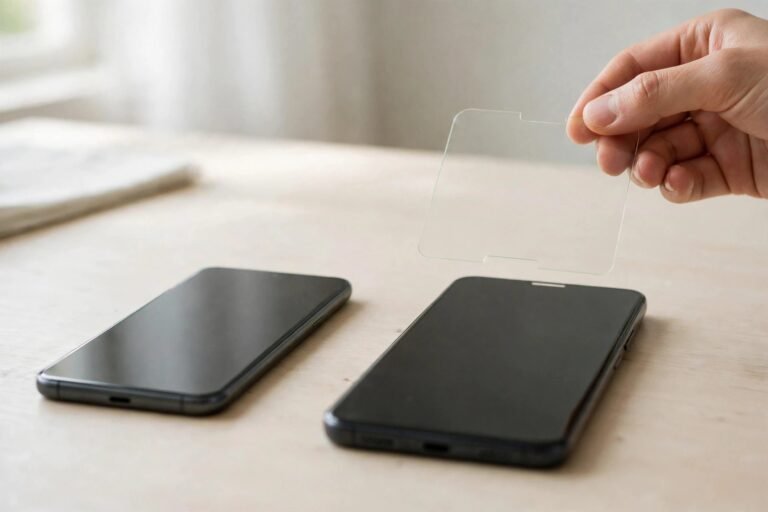
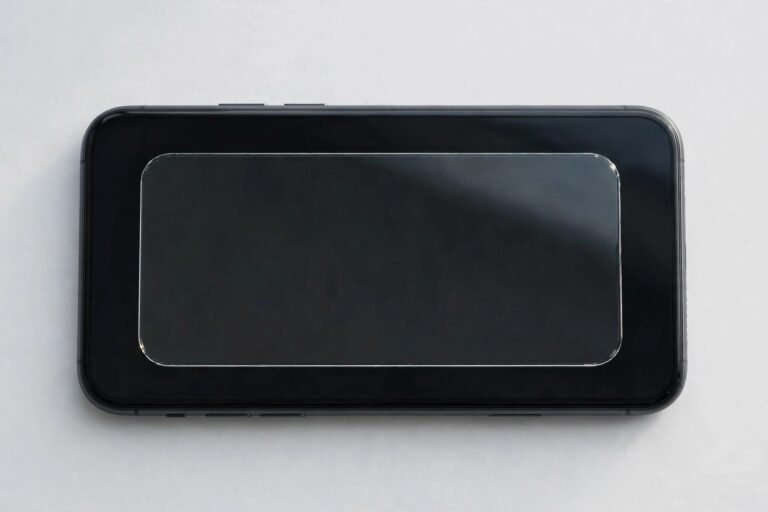
A good slice of that premium pays for everything around the glass rather than the glass itself. Premium kits typically include an alignment tray or frame, clear instructions and everything needed for a clean install, and there is a real support channel if something goes wrong. None of that changes the physics of the glass — but the most common way protectors fail is a dusty, crooked fitting, and good fitting aids directly attack that problem.
How the Glass Itself Compares
Tempered glass protectors at almost every price point advertise the same headline figures, including the familiar “9H” hardness rating — which refers to a pencil hardness scale rather than a promise of diamond-like toughness. In practice, scratch resistance and sacrificial crack protection are broadly similar between a premium protector and a well-reviewed mid-range one. Both will pick up scratches at around the same point and both are designed to break so your screen doesn’t.
Subtler differences do exist. The oleophobic coating that resists fingerprints can be better applied on premium glass and may stay slick for longer before it wears. Edge finishing, consistent thickness and reliable case compatibility also tend to be more consistent from a big brand’s quality control. But these are increments, not leaps — and a highly rated mid-range protector for your specific phone can beat a premium one that happens to fit that model less well.
- Judge a protector by its likely failure mode. Most protectors “fail” through dust trapped during fitting or corners lifted by a case — not weak glass. If you find fitting fiddly, the tray and instructions in a premium kit may be worth more to you than the glass itself.
The Warranty Argument
The strongest financial case for a premium protector is the warranty behind it. Big brands commonly back their protectors with a limited lifetime warranty under which a protector that cracks while doing its job can be replaced — typically subject to registration, proof of purchase, the current terms on the brand’s website and sometimes a shipping charge. If you go through two or three protectors over the life of a phone, that replacement route can make the premium purchase the cheaper option overall.
Read the terms before relying on this, though. Protector warranties generally cover the protector itself, not your phone’s screen — although some product lines in some regions have offered additional screen-repair support under strict conditions. The budget alternative is effectively self-insurance: buy multipacks, keep spares in a drawer, and replace at your own pace. For many careful owners, that total spend never catches up with one premium protector.
Who Should Buy One — and Who Shouldn’t
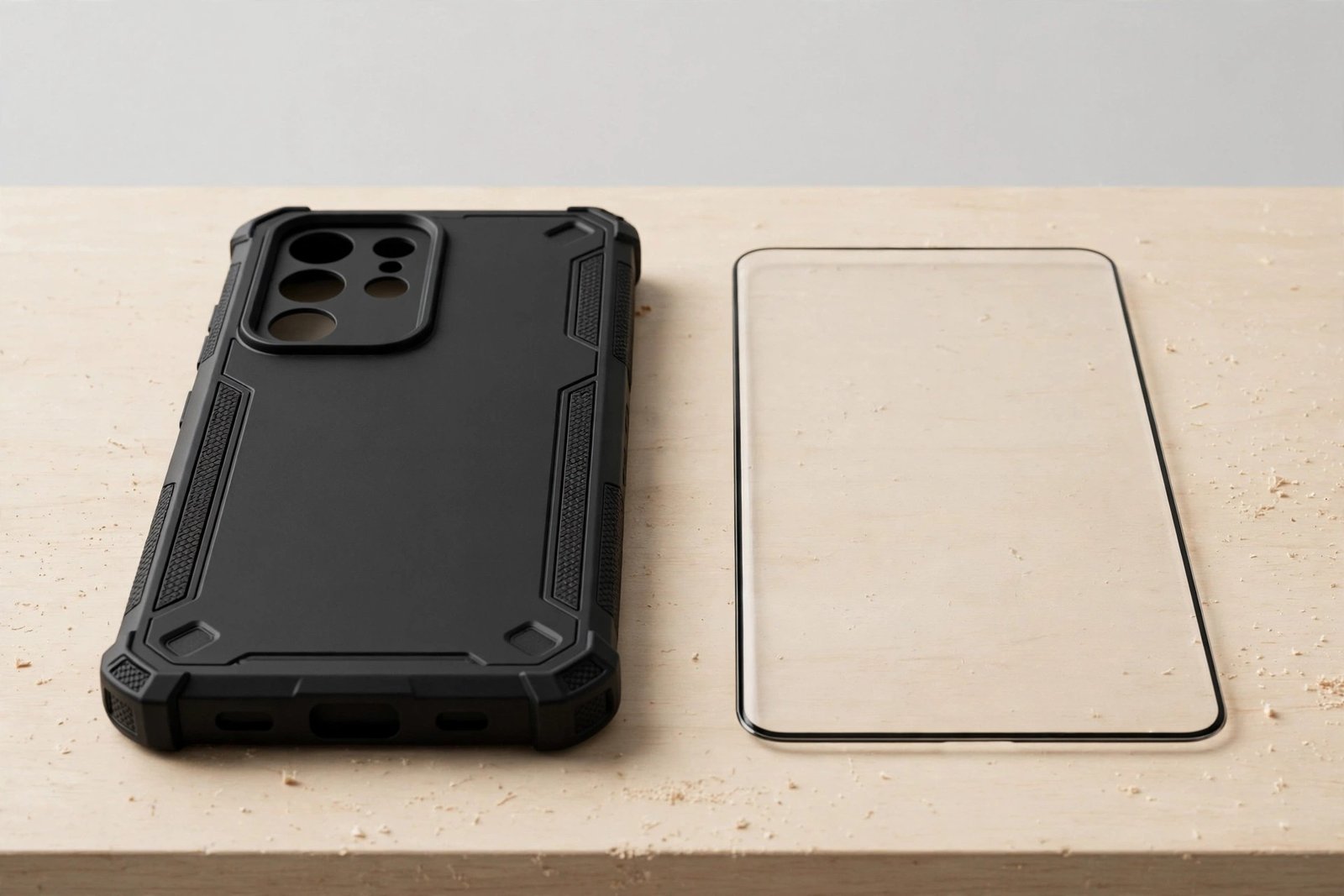
An OtterBox protector makes sense if you are hard on phones, crack protectors often enough to use a warranty, dislike fitting them and want the tray-guided install, or keep an expensive flagship for three or four years and want one purchase backed by a company that will still exist when you claim. Paired with one of the brand’s cases, you also get fit compatibility that has been considered by the same manufacturer.
It is harder to justify if you are careful with your phone, comfortable fitting a protector yourself, upgrade every year or two, or simply treat protectors as consumables. In that case a good multipack gives you perfectly adequate glass, spares for mistakes, and change left over. There is no shame in that choice — the protection on the screen will be much the same.
- Whichever tier you choose, buy the version made for your exact phone model, and if you use a case, look for “case-friendly” sizing. Fit problems cause more returns and replacements than any difference between brands.
Frequently Asked Questions
Are OtterBox screen protectors stronger than cheap ones?
Not in any dramatic, measurable way. Premium and budget tempered glass make similar hardness claims and perform a similar sacrificial role in a drop. Where premium protectors can pull ahead is consistency: fit accuracy, coating quality, edge finishing and the extras in the box — plus the warranty and support standing behind them.
If my phone screen breaks anyway, does the warranty cover it?
Generally, no — a screen protector warranty covers the protector itself, entitling you to a replacement protector under its terms. Some product lines in certain regions have included limited screen-repair reimbursement schemes with registration deadlines and conditions, so it is worth checking the current terms for the exact protector you own, but never assume your screen is insured by a protector purchase.
How many protectors do you get in the box?
It varies by product line. Premium kits typically contain a single protector along with the alignment tray and cleaning kit, with further replacements coming through the warranty route. Budget multipacks typically contain two or three bare protectors. Neither approach is wrong — it is the difference between spares in a drawer and replacements on request.
An OtterBox screen protector is rarely worth it for the glass alone — it is worth it for the fit, the fitting kit and the warranty wrapped around that glass. If you will use those things, pay the premium without guilt; if you won’t, a good multipack protects your screen just as honestly for less.