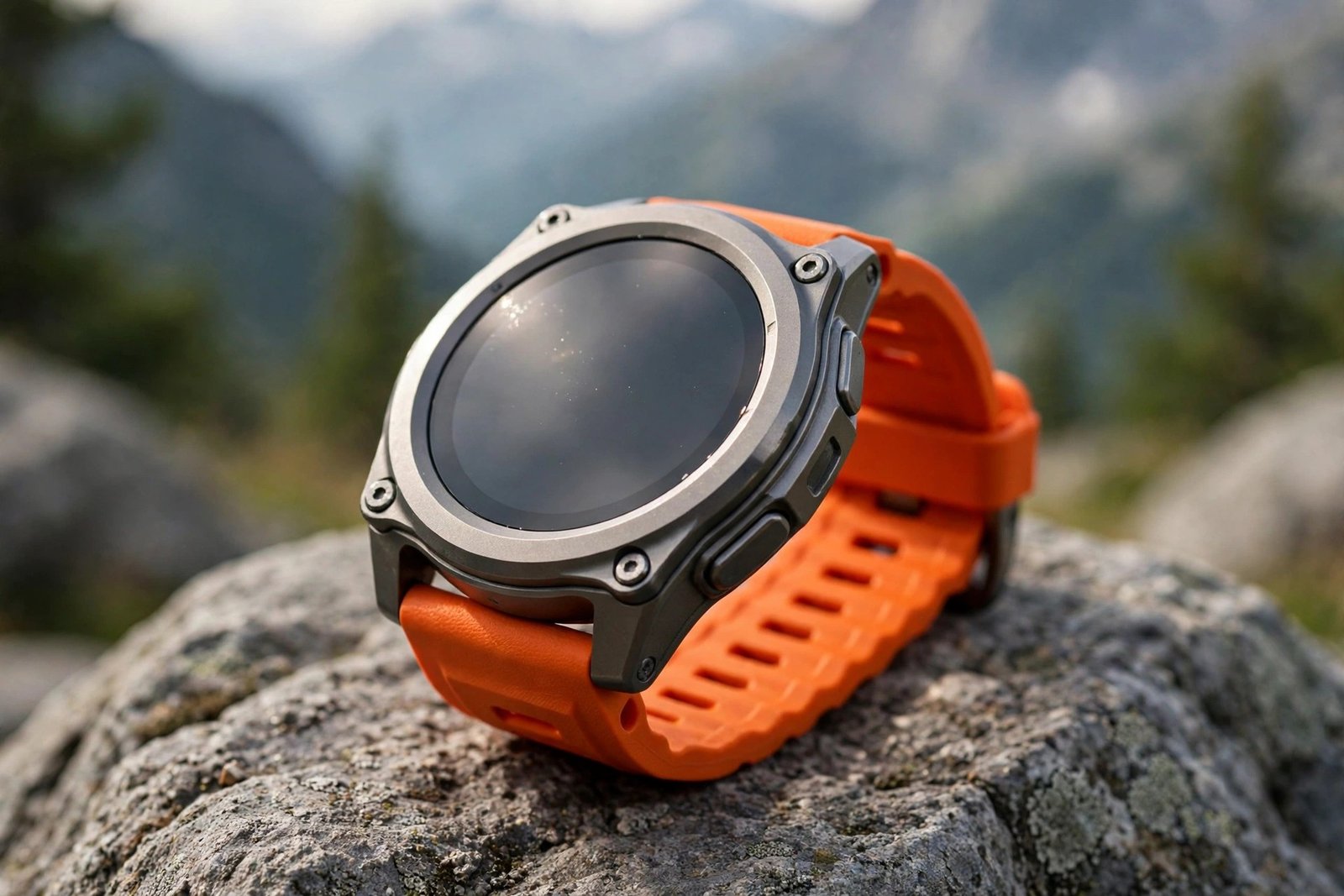
The Apple Watch Ultra is built for the extremes — trail running, diving, climbing, and everything in between. It also arrives with one of the toughest watch faces Apple has ever made: a sapphire crystal front set in a titanium case with a raised lip around the display. So it is fair to ask whether a screen protector is genuinely necessary, or just an extra layer the watch was designed to do without.
The honest answer depends on how you use it. For most owners, the Ultra’s own materials offer more protection than a standard watch ever gets. But sapphire has one weakness, and certain sports and jobs exploit it. This guide explains what the Ultra’s display can shrug off, what can still damage it, and when adding a protector actually makes sense.
Key Takeaways
- The Ultra’s sapphire crystal front is far more scratch-resistant than the glass on ordinary watches and phones.
- A raised titanium edge surrounds the flat display, guarding it against flat knocks and scrapes.
- Sapphire is extremely hard but comparatively brittle — a sharp point impact, such as a rock edge, can still chip or crack it.
- Everyday grit, sand, keys, and kit buckles that would mark normal glass will generally not scratch sapphire.
- Many owners skip a protector entirely; those in climbing, construction, or similar high-knock environments often fit one as cheap insurance.
- Watch repairs are expensive, so the decision is really about risk versus bulk — a protector adds thickness and can dull the watch’s look and feel.
What the Ultra’s Display Is Made Of
Every Apple Watch Ultra model uses a sapphire crystal front rather than the ion-strengthened glass found on aluminium Apple Watch models. Sapphire sits near the top of the hardness scale — only diamond is meaningfully harder — which means very few materials encountered in daily life can scratch it. The grit in a pocket, the sand on a beach towel, and the metal edges of gym equipment that leave fine lines on ordinary glass will normally leave sapphire untouched.
The case design adds a second layer of defence. The Ultra’s titanium case rises slightly above the flat display, creating a raised edge or lip around the screen. When the watch face meets a flat surface — a wall, a table edge, a door frame — the titanium takes the contact first. Combined with the flat (rather than curved) crystal, this means the most vulnerable part of most watches, the exposed glass surface, is unusually well protected before you add anything at all.
What Can Still Damage a Sapphire Display
Hardness is not the same as toughness. Sapphire resists scratching superbly, but it is a brittle material, and a concentrated blow can crack it. The classic scenario is a point impact: swinging your wrist into the sharp edge of a rock while scrambling, catching the crystal on a metal corner, or dropping the watch face-first onto stone or concrete. Instead of spreading the force, a sharp point concentrates it in one tiny area — exactly what sapphire handles worst.
The raised case edge helps less in these situations than against flat surfaces, because a protruding rock or corner can reach past the lip and strike the crystal directly. And while a cracked sapphire front is uncommon, it is not a cheap fix: out-of-warranty screen repairs on an Ultra cost a significant fraction of the watch’s value, and the display is not a part you can polish back to health once chipped. This is the real risk a protector is meant to absorb.
- Think about point impacts, not scratches, when deciding. If your activities involve rock, rubble, or metal edges at wrist height, a protector earns its place; if your risks are sand, grit, and flat surfaces, the Ultra already handles those itself.
The Downsides of Adding a Protector
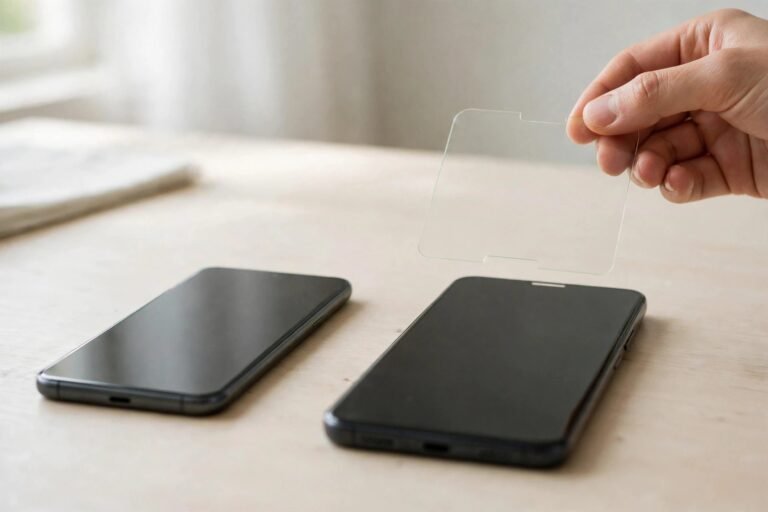
A protector is not a free upgrade. Film and tempered glass protectors for the Ultra are thin, but they still sit on top of a beautifully finished crystal and can slightly reduce clarity and touch crispness. Snap-on covers that wrap the case add noticeable bulk to a watch that is already large, and they can trap moisture and grit against the case after swims or wet runs if they are not removed and dried. A trapped grain under a cover can also rub against the case finish over time.
There is an aesthetic point, too. The Ultra’s exposed titanium and flat sapphire are part of its appeal, and many owners feel a plastic cover cheapens the look of an expensive tool watch. Others take the opposite view: the watch is a tool, a sacrificial layer costs very little compared with a repair, and a cracked protector can be swapped in minutes. Neither view is wrong — it comes down to which risk bothers you more.
Who Should Fit One — and Who Can Skip It
If your Ultra spends its life in the office, the gym, and on ordinary runs and rides, you can reasonably skip a protector. The sapphire and the raised case edge between them cover the realistic hazards of that life, and you keep the watch exactly as it was designed to look and feel. Rinse off salt water and grit after outdoor use, and the crystal will stay looking new for years.
If you climb, scramble, work in construction or a workshop, or play sports where your wrist regularly meets hard edges, a slim protector is sensible insurance. Fit it before the activity season starts rather than after the first chip. Because the Ultra’s display is flat, tempered glass protectors sit on it neatly without the edge-lifting problems curved watch screens suffer from — one small practical advantage if you do decide to add one.
- If you use a snap-on cover for rough activities, treat it as occasional wear, not permanent armour — pop it off afterwards, rinse and dry the watch, and check no grit is trapped underneath before it rubs against the case.
Frequently Asked Questions
Can an Apple Watch Ultra screen actually scratch?
It is very unlikely in normal use. Sapphire is harder than the materials behind almost all everyday scratches — keys, coins, sand, and grit are all softer and cannot cut into it. Only something approaching diamond hardness, or a hard point impact that chips rather than scratches, is a realistic threat.
Does a screen protector affect touch or the buttons on the Ultra?
A thin film or glass protector fitted directly to the crystal normally leaves touch response close to normal. Snap-on covers can feel slightly less precise and may make the Digital Crown and side button marginally less accessible, depending on the design — one reason many owners only use covers for specific activities.
If sapphire can crack, why doesn’t Apple fit a protector at the factory?
Because cracking requires an unlucky, concentrated impact rather than everyday wear, and the raised titanium edge already guards against the most common knocks. Apple designs the watch to be used bare; a protector is an optional extra for people whose activities push beyond the design assumptions.
The Ultra is one of the few devices that genuinely arrives well defended — sapphire above, titanium around. Fit a protector if your world is full of sharp edges, but don’t assume the watch is fragile without one.