A screen protector is a sacrificial layer: it absorbs the scratches, drops, and daily wear that would otherwise scar your display. But unlike the screen beneath it, a protector is not meant to last forever. From the day you fit it, its materials begin a slow decline — the oleophobic coating wears thin, the adhesive edges weaken, and fine scratches accumulate.
So how long should you expect yours to last before it needs replacing? The honest answer is that it depends on the type of protector, how you use your device, and how well you look after it. This guide explains the realistic lifespan of tempered glass, film, and TPU protectors, the signs that yours is past its best, and how to get the most life out of each one.
Key Takeaways
- Tempered glass protectors typically last 1 to 2 years in everyday use before scratches or edge wear warrant replacement.
- PET and TPU film protectors wear faster — expect roughly 6 to 12 months before the surface becomes visibly scratched or hazy.
- The oleophobic (fingerprint-resistant) coating fades within months regardless of material; a protector can still protect long after fingerprints start sticking.
- Replace your protector when you see cracks, deep scratches, lifting edges, or a rough surface that no longer wipes clean.
- A case, gentle cleaning habits, and avoiding pockets shared with keys all extend a protector’s working life.
Typical Lifespan by Protector Type
Tempered glass: 1 to 2 years
Tempered glass is the most durable common protector material. Its hardened surface resists scratches from keys, coins, and fingernails far better than plastic films, and a good one can look nearly new after a year of careful use. The limiting factors are rarely the glass itself: cracks from drops, chips at the corners, or the adhesive edge beginning to lift are what usually retire a glass protector. In rough use — a phone rattling loose in a work bag, or a tablet handed to toddlers — a year is a realistic expectation; with a case and gentle habits, two years is common.
PET film: 6 to 12 months
PET plastic films are thin and inexpensive, but they scratch much more easily than glass. Fine swirl marks appear within weeks of normal use, and after several months the accumulation gives the display a hazy look under bright light. Because films are so cheap, most people simply replace them twice a year or so. Their advantage is that they rarely shatter — they just look tired.
TPU and hydrogel films: 6 to 12 months
TPU and hydrogel films sit between PET and glass for durability. Their self-healing property is real: minor scratches in the surface layer gradually smooth themselves out over hours, which keeps them looking decent longer than plain PET. But they are soft by nature, so they scuff from abrasion, and their edges are prone to peeling — especially on curved screens. A year is a good run; many users replace them sooner when the edges start collecting dust.
- The calendar is less useful than your eyes: inspect your protector in bright, angled light every few months. Micro-scratches invisible head-on show up clearly at an angle, and that is when replacement is due.
What Actually Wears Out
A protector does not usually “expire” all at once. Several parts degrade on different schedules. The oleophobic coating — the invisible layer that makes fingerprints wipe away easily — is the first casualty, often noticeably faded within 3 to 6 months of daily handling. This is cosmetic rather than structural: the protector still guards against scratches and impacts, but the screen feels greasier and needs wiping more often.
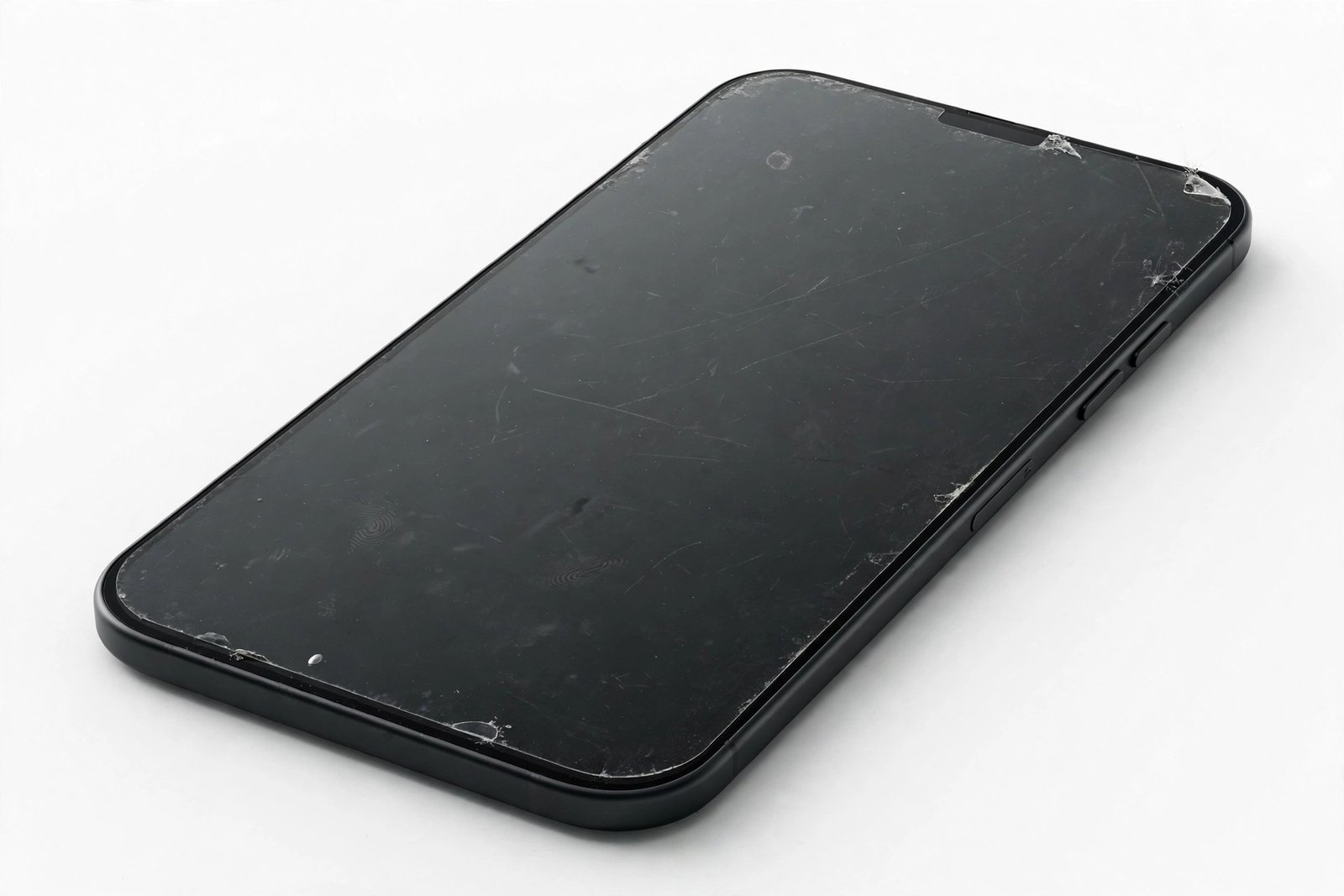
Next comes the surface itself. Every contact with grit — sliding across a table, a wipe with a dirty sleeve — adds micro-scratches. Individually invisible, they accumulate into a haze that dulls brightness and contrast. Finally, the adhesive weakens. Edge lift starts at a corner, invites dust underneath, and slowly spreads. Once dust is trapped under a lifting edge, cleaning cannot fix it, and the protector’s days are numbered.
Signs It Is Time for a Replacement
Cracks are the clearest signal. A cracked tempered glass protector has absorbed an impact — possibly saving your display — but its structural integrity is gone, and sharp edges can even scratch the screen it was meant to guard. Replace it promptly rather than living with the spiderweb.
Other signs are subtler but equally valid reasons to renew. Deep scratches you can feel with a fingernail will catch light and distract during use. A surface that feels rough or draggy, where your finger no longer glides smoothly, means the coating and possibly the surface itself are worn. Persistent bubbles or dust under the film that appeared months after fitting indicate adhesive failure. And if the protector has yellowed or clouded — common with older plastic films — no cleaning will restore its clarity.
- When you replace a worn protector, fit the new one immediately — even a day without protection is when the fateful drop seems to happen. Keep a spare in a drawer so the swap takes minutes, not a delivery wait.
How to Make a Protector Last Longer
The biggest lifespan lever is a case with a raised lip. It takes the brunt of drops and, just as importantly, keeps the screen from sliding face-down across rough surfaces — the main source of micro-scratches. A dedicated pocket for your phone, away from keys and coins, matters more than any cleaning product.
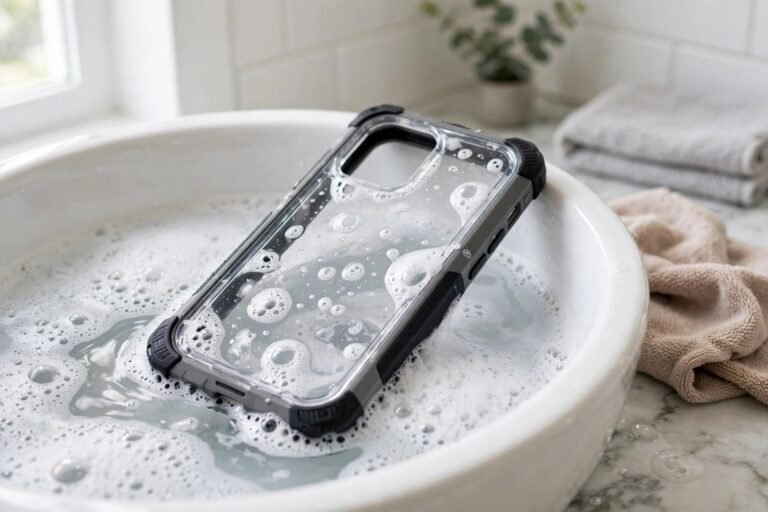
Cleaning habits are the second lever. Wipe with a clean microfibre cloth, and never dry-wipe when you can see grit on the surface — that grit carves new scratches with every stroke. Avoid harsh solvents, which attack both the oleophobic coating and the adhesive, and never use paper towels, whose fibres are surprisingly abrasive.
Does an Old Protector Still Protect?
Mostly, yes. A scratched but intact tempered glass protector still absorbs impact and blocks new scratches from reaching the display. What you lose with age is clarity, touch smoothness, and hygiene: worn surfaces harbour more grime, and hazy films force your eyes to work harder.
One exception: a protector with lifted edges or trapped dust no longer sits flush, and a hard impact can concentrate force at the lifted point. If the adhesive has clearly failed, the protector is decorative rather than protective — replace it.
Frequently Asked Questions
Why does my screen protector keep cracking in the same corner?
Repeated cracks in one spot usually mean your case leaves that corner exposed, or the way you set the phone down concentrates impacts there. A case with proper corner coverage usually ends the cycle. If the protector is slightly too large for the device, its overhanging edge also cracks more easily.
Can a screen protector last the whole life of the phone?
Rarely. Even a pampered tempered glass protector will show coating wear and fine scratches after two to three years. Most people replace theirs at least once during a phone’s life. Given how inexpensive protectors are relative to screen repairs, treating them as consumables is the sensible view.
Do expensive protectors last longer than cheap ones?
Sometimes, but not proportionally. Premium glass protectors often have better edge finishing, stronger adhesive, and a longer-lasting oleophobic coating — all of which genuinely extend usable life. But a mid-range protector from a reputable maker, fitted carefully and paired with a case, will outlast a premium one that is fitted badly or used without a case.
A screen protector is a consumable, not a permanent fixture — expect 1 to 2 years from glass and under a year from film, and replace it the moment cracks, lifting edges, or a permanently hazy surface appear. With a case and gentle cleaning, you will comfortably reach the upper end of that range.