Few phone purchases are as automatic — or as argued about — as the screen protector. One camp fits one in the shop before the phone has even been switched on; the other points at modern “unbreakable” glass marketing and calls protectors a waste of money. Both camps are half right.
The honest answer depends on three things: how tough today’s phone glass really is, what a broken screen would cost you, and how you actually carry and use your phone. Work through those, and the decision makes itself.
Key Takeaways
- Modern phone glass is far better at surviving drops than it used to be — and barely better at resisting scratches.
- The most common cause of screen scratches is not keys or coins but sand and grit, which are harder than phone glass.
- A flagship screen replacement typically costs ten to fifty times the price of a good protector.
- A pristine screen raises resale and trade-in value; a scratched one is one of the first things graders mark down.
- If you keep phones for years, work outdoors, or carry yours loose in a bag, a protector is an easy yes.
- Careful users with accidental-damage cover who upgrade every year are the ones who can genuinely skip it.
Modern Glass Is Drop-Tough, Not Scratch-Proof
Phone glass has improved enormously against its old enemy, shattering. Ceramic-infused glass such as Apple’s Ceramic Shield and the latest Gorilla Glass generations use material science and ion-exchange treatments to survive drops that would have killed a screen a decade ago. Manufacturers’ drop claims, while tested in favourable conditions, reflect a real advance.
Scratch resistance, however, has barely moved. Phone glass still registers at roughly 6 to 7 on the Mohs hardness scale — much as it did years ago — which means anything harder will mark it. Quartz, the mineral in sand and much household dust and grit, sits at 7. That is why screens emerge from beach holidays and building sites covered in fine scratches despite all the marketing: the glass got tougher against impacts, not against abrasion.
The Repair-Cost Maths
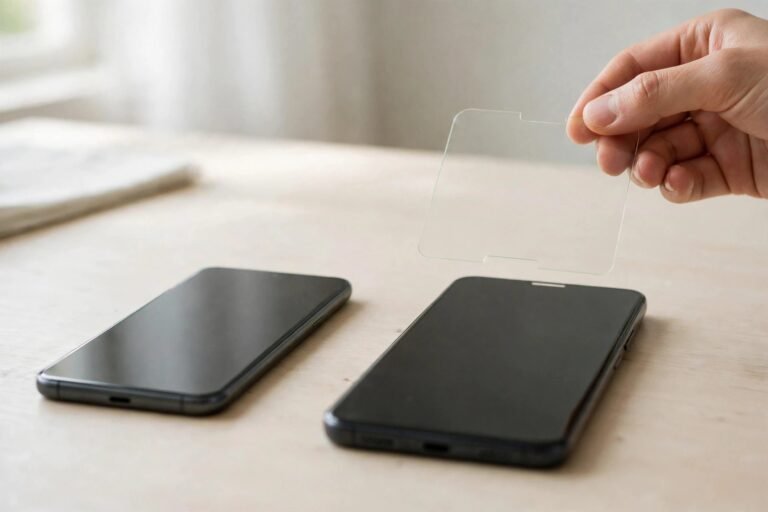
Now the economics. An out-of-warranty screen replacement on a flagship phone typically runs into several hundred pounds; even mid-range phones often cost well over a hundred to repair. A quality tempered glass protector costs between five and fifteen pounds and takes ten minutes to fit at home. On those numbers, a protector only has to prevent one damaged screen in a phone’s lifetime to pay for a decade of replacements several times over.
Factor in the hidden costs too: a repair means days without the phone (or a loaner), a trip or a postal delay, and on some models the loss of factory water resistance once the seal is broken and remade. Against all that, the protector’s price is close to a rounding error.
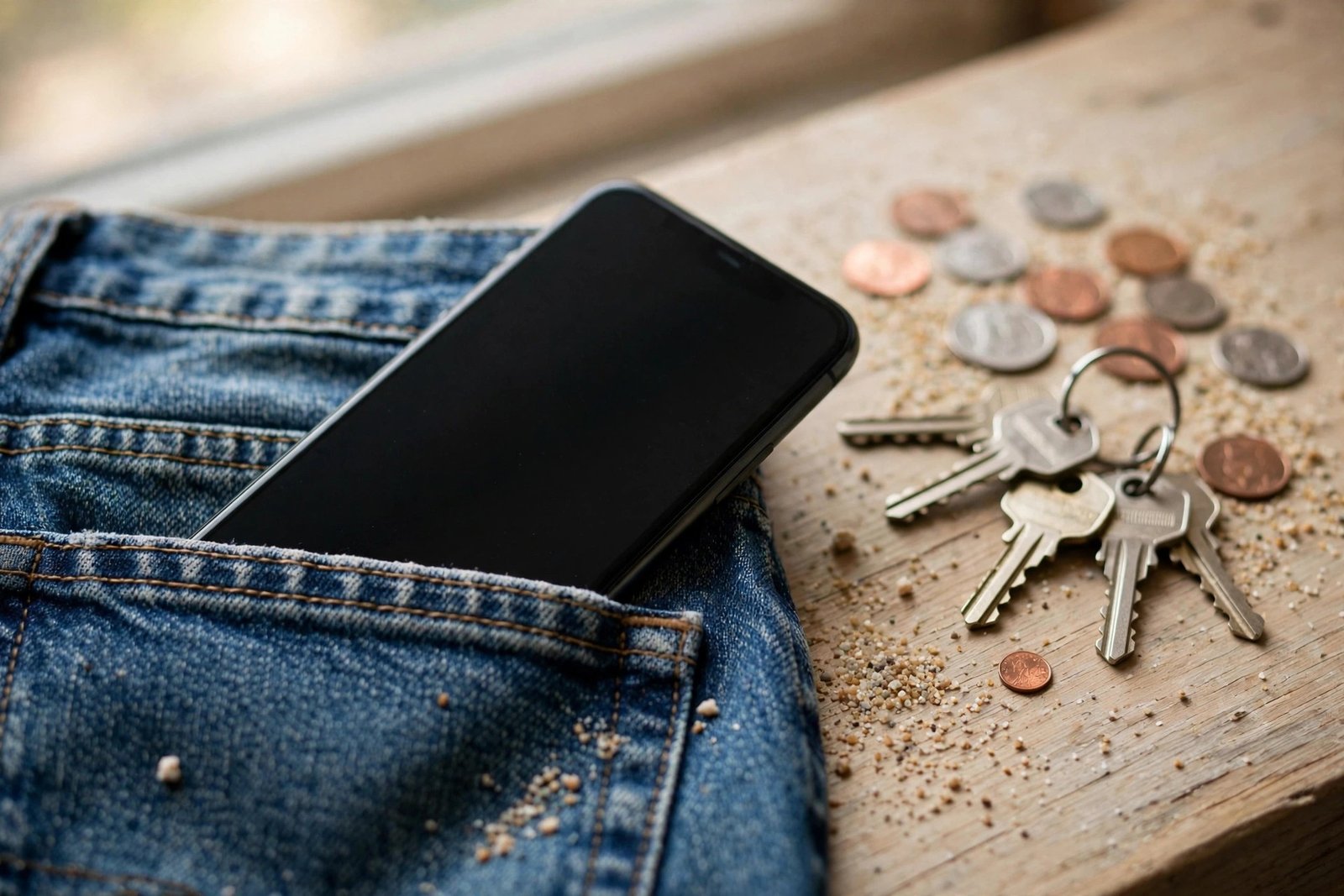
- If you do nothing else, keep your phone out of the same pocket or bag compartment as grit and sand. Most “mystery scratches” arrive via a few grains of quartz being ground across the glass — an enemy no modern screen is hard enough to shrug off.
Your Habits Matter More Than the Phone
Risk is personal. A phone that lives in a soft, dedicated pocket, is handled at a desk and charges on a bedside table lives a sheltered life; its screen may stay flawless for years with no help. A phone that shares a handbag with keys, cosmetics and loose change, gets tossed into a gym bag, is used with sandy hands on site, or is handed to a toddler in the car is in a different risk category entirely — whatever its glass is called.
Keys, incidentally, are widely blamed and mostly innocent: the common key and coin metals are softer than phone glass and rarely scratch it directly. The danger in that shared pocket is not the keys themselves but the grit that accumulates around them. This is why two owners of the same phone can have opposite experiences — one pristine after three years, one scratched in a month — with the difference lying in habits, not hardware.
Resale and Trade-In Value
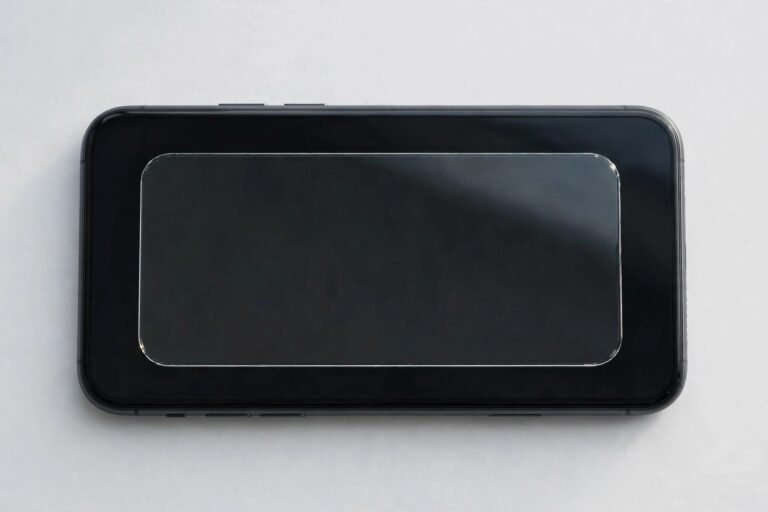
If you sell or trade in your phones, the screen is one of the first things assessed, and visible scratching knocks real money off the valuation — sometimes enough to cover years of protectors on its own. A protector makes this trivial: the sacrificial layer takes two years of micro-abrasion, you peel it off on selling day, and the original glass underneath is presented exactly as it left the factory.
- Fitting a fresh, cheap protector just before selling can help a worn phone present well — but the real trick is having worn one from day one, so the glass being revealed at sale time is genuinely mint.
Who Can Honestly Skip It
There is a legitimate no-protector case, and it is worth stating plainly rather than pretending the product suits everyone. If you are careful by habit, keep the phone in a soft pocket away from grit, carry accidental-damage insurance or a care plan with a modest excess, and upgrade every year or two, the expected cost of skipping the protector is low — and you get to enjoy the screen’s original feel and coating, which no protector perfectly reproduces. Some people simply dislike the edge of a glass protector under their thumb, and that preference is valid too.
Everyone else — the multi-year keepers, the outdoor workers, the bag-carriers, the parents, the uninsured — is playing favourable odds in the wrong direction. For them the answer to “should you use a screen protector?” is yes, and it is not a close call.
Frequently Asked Questions
Do I need a screen protector if I have a case?
A case and a protector do different jobs. A case protects the back and corners and helps in drops, but the screen’s face remains exposed to grit in pockets and bags. Most people who want full protection use both; a raised case lip alone does not stop scratches.
Will a screen protector affect touch, Face ID or fingerprint sensors?
A quality glass protector does not noticeably affect touch or Face ID. In-display fingerprint sensors work with most protectors, though you may need to re-register your fingerprints after fitting one for the best results.
Do screen protectors actually stop screens cracking?
They reduce the risk meaningfully — a tempered glass protector absorbs and spreads impact energy and often breaks in the screen’s place — but nothing guarantees survival of a bad drop. Treat it as inexpensive insurance, not armour.
Should you use a screen protector? If your phone lives a rough life or a long one, yes — the maths is not close. If it lives a sheltered, insured, short one, you are among the few who can skip it with a clear conscience.