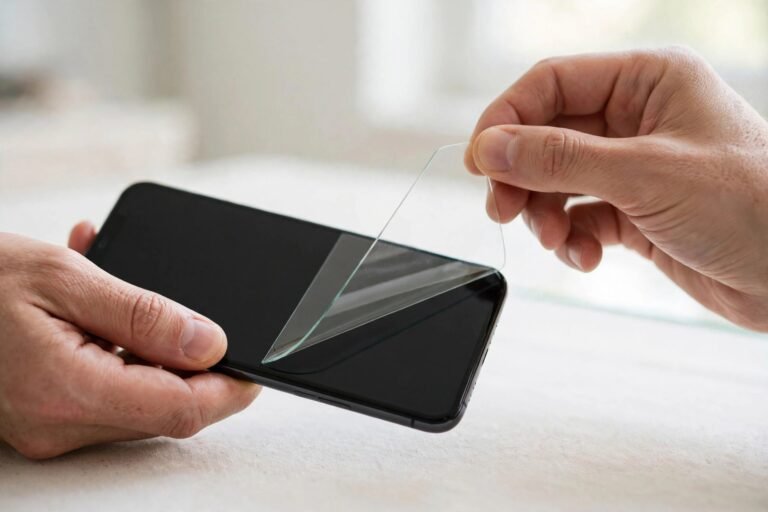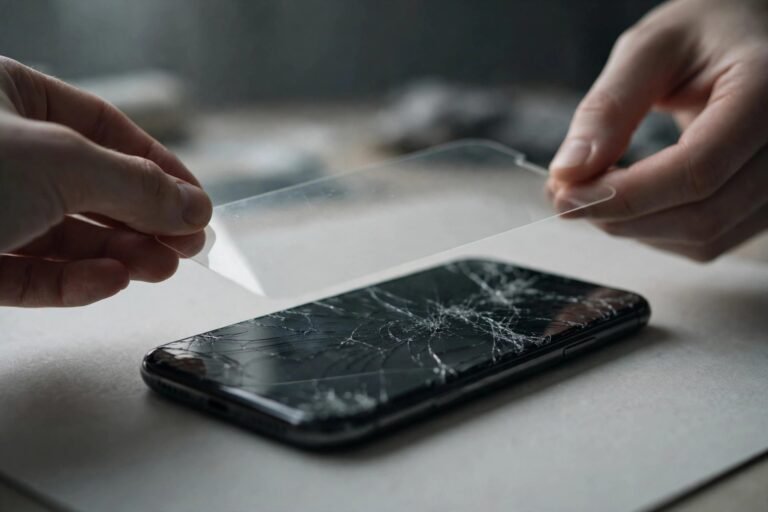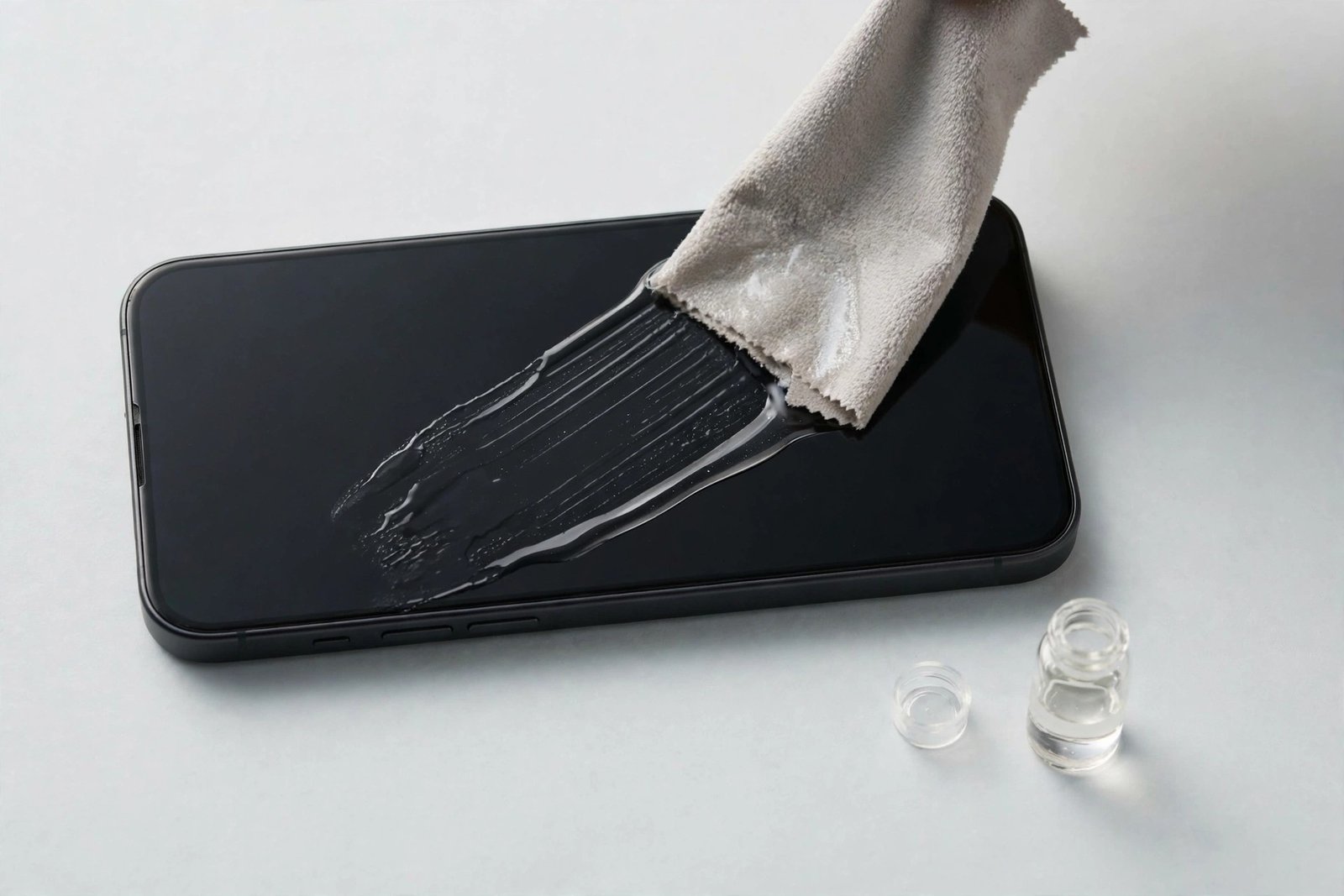
A liquid screen protector arrives as a tiny vial of liquid rather than a sheet of glass, and that confuses people — is it really a screen protector, and if so, how do you “fit” a liquid? The honest answer is that liquid protectors are nano-coatings, a silica-based solution you wipe onto the display that cures into an ultra-thin hydrophobic and scratch-resistant layer. Applying one is closer to waxing a car than fitting a glass panel.
This guide covers the real application process step by step: preparing the screen, working the liquid in controlled stages, giving the coating its full curing time, buffing to a clear finish — and the realistic expectations you should have about what the finished layer can and cannot do.
Key Takeaways
- A liquid screen protector is a cured nano-coating, not a physical layer — it cannot absorb impacts the way tempered glass does.
- Apply it to a perfectly clean, grease-free screen; the coating bonds directly to the glass, so anything underneath stays there.
- Work in small sections with the supplied cloth or wipe, using firm circular motions, and let each stage haze before buffing.
- Most products need 8–24 hours of curing before reaching full hardness — treat the phone gently in that window.
- The coating wears off over weeks to months and needs reapplying; it is a consumable treatment, not a fit-and-forget protector.
- Do not apply liquid coating over an existing protector — it is designed for bare display glass (or bare rear glass).
What You Are Actually Applying
Most liquid screen protectors are based on silicon dioxide (silica) nanoparticles suspended in a solvent. When wiped onto glass, the solvent evaporates and the silica forms an extremely thin — nanometres thick, effectively invisible — layer bonded to the surface. The result adds measurable scratch resistance and a hydrophobic, easy-clean surface, similar in feel to a fresh oleophobic coating. What it does not do is add a millimetre of material to soak up a drop: impact protection is minimal, whatever the marketing claims.
That limitation defines the whole decision. If your main worry is scratches and smudges on a phone you handle carefully, a liquid coating is a reasonable low-hassle option. If you drop phones, you want tempered glass — a coating cannot do the job of a physical sacrificial layer, and no vial of liquid changes that physics.
Step 1: Clean the Screen Meticulously
Because the coating bonds at the molecular level, everything on the glass becomes part of the finished surface. Wash your hands, remove the case, and clean the display in stages: a damp microfibre to lift grime, the alcohol wipe from the kit if one is supplied, then a final buff with a clean dry microfibre until the glass squeaks slightly under the cloth. Inspect at an angle to a bright light — fingerprints and dust that are invisible face-on will show up now.
If you are applying the coating to the back of the phone as well — many kits cover both — clean it the same way. Do not apply anything over an old protector, old nano-coating residue, or cracked glass; the liquid is designed to bond to intact bare glass only.
- Turn off the phone’s display and work under a bright lamp. Smudges are dramatically easier to see on a dark screen, and a coating applied over a hidden fingerprint locks it in for weeks.
Step 2: Apply the Liquid in Stages
Open the vial or applicator and work one section of the screen at a time, especially on larger phones: apply a few drops or short strokes of liquid to the cloth (not directly onto the phone, for most products), then rub it into the glass with firm, overlapping circular motions for a minute or so per section. The aim is an even, thin wet film across the whole display with no dry patches and no pooling at the edges.
As the solvent flashes off, the surface will develop a slight haze — that is normal and expected, not a mistake. Do not keep rubbing once it hazes; let it sit for the time the instructions specify (usually a few minutes), then move to the next section. Rushing the haze stage is the most common reason coatings end up patchy.
Step 3: Buff and Cure
Once the whole surface has hazed, take a fresh, clean microfibre — not the applicator cloth — and buff the display with light, even strokes until the haze clears and the glass looks perfectly transparent. Check the result against a bright light at an angle; any remaining streaks mean you need another minute of buffing on that patch.
Now comes the part people skip: curing. The silica layer needs time to fully harden — typically 8 to 24 hours depending on the product. During that window, handle the phone gently: avoid aggressive wiping, do not apply stickers or another protector, and try to keep the phone at normal room temperature. Some instructions ask you to avoid getting the surface wet for the first day, which is worth honouring.
- Apply the coating in the evening. The phone then sits untouched overnight, getting its full cure for free — no willpower required to leave it alone.
Maintenance and Reapplication
A liquid coating is a consumable. Daily contact with fingers, pockets, and cleaning cloths wears it down over weeks to a few months, depending on the product and your usage. The tell-tale sign is the return of smudging: when the screen starts grabbing fingerprints the way bare glass does, the coating is mostly gone. Reapply exactly as above — most kits include enough liquid for two or three applications.
Between applications, clean the screen gently with a damp microfibre and water. Avoid harsh solvents and abrasive pads, which strip the coating prematurely — and keep in mind that anything you apply to the phone is now sitting on top of a wearing layer, so tempered glass fitted later needs bare glass and will adhere poorly over an old coating. If you are switching to glass, let the coating wear off first or clean the screen thoroughly with isopropyl alcohol.
Frequently Asked Questions
How long does a liquid screen protector last?
Most products claim several months, but in practice the effective life is weeks to a few months of normal use. When fingerprints start sticking again, the coating has worn through and it is time to reapply.
Can I apply liquid protector over a cracked screen?
No — the liquid is meant for intact glass. On a cracked display it can seep into fractures and make future professional repair harder, and it does nothing to strengthen the compromised glass.
Is a liquid protector safe for the display’s oleophobic coating?
It sits on top of the factory coating rather than replacing it. When the liquid layer wears away, the original oleophobic coating beneath is still there — applying a nano-coating does not destroy the factory finish.
A liquid coating is a maintenance product, not armour: apply it carefully, let it cure, and reapply when the smudges return — and know that drops still need real glass.