The iPhone X was a landmark phone — the first iPhone with an edge-to-edge OLED display and no Home button — but its age creates a practical headache when you need a new screen protector. Listings have faded, model names blur together, and several other iPhones look deceptively similar. Fitting the wrong protector means wasted money and edges that will not sit flat.
The good news is that the sizing is actually simple once you know it. The iPhone X has a 5.8-inch display, and there is one other iPhone that shares its body closely enough to be a true cross-fit. This guide explains exactly which protectors fit the iPhone X, which ones only look as though they should, and what to check about edges and cut-outs before you buy.
Key Takeaways
- The iPhone X has a 5.8-inch display — you need a protector made for a 5.8-inch iPhone of its generation.
- Protectors for the iPhone XS are the true cross-fit: the XS shares the X’s body dimensions, so its protectors fit correctly.
- iPhone XR and iPhone 11 protectors are too big — those phones have larger 6.1-inch displays and will not fit.
- The later iPhone 11 Pro is also 5.8-inch, but it belongs to a different design era, so do not assume compatibility — the XS is the reliable match.
- The iPhone X screen has gently curved edges, so flat glass will not cover edge to edge — expect a small border or choose a full-coverage design.
- Buy protectors listed for iPhone X / XS specifically, and check the notch cut-out matches before fitting.
The iPhone X Display Size Explained
The iPhone X display measures 5.8 inches diagonally, in a tall format that was new for Apple at the time. That headline figure is the starting point for protector shopping, but diagonal size alone does not guarantee a fit. Two phones can share a diagonal measurement and still differ in width, height, corner shape and the size and position of the notch at the top of the screen, and a tempered glass protector has to match all of those to sit properly.
For the iPhone X, what matters is the generation it belongs to. It arrived alongside the iPhone 8 and 8 Plus but with a completely different, all-screen design. Its direct successor the following year, the iPhone XS, kept the same external body. That continuity is what makes protector shopping manageable: anything correctly made for the XS was made for a body of the same dimensions as your X.
Which Protectors Cross-Fit — and Which Do Not
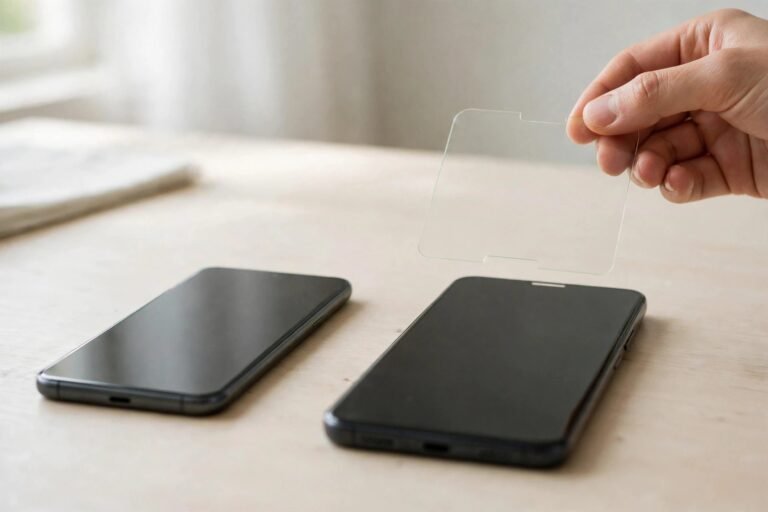
The iPhone XS is the true cross-fit. Because the XS used the same body as the X, a protector listed as fitting iPhone X and XS — a very common combined listing while the phones were current — will align with the screen, the notch area and the edges as intended. If you find old stock or a listing that mentions only the XS, it should still serve your X correctly, provided it is a quality protector made to the original dimensions.
The traps are the similarly named models around it. The iPhone XR and the standard iPhone 11 look like close relatives, but both have larger 6.1-inch displays in bigger bodies, so their protectors overhang the X and cannot be used. The iPhone 11 Pro is subtler: it is also a 5.8-inch phone, but it comes from the following design cycle with its own dimensions and camera-era detailing, so it should not be treated as a guaranteed fit — when in doubt, choose the X/XS listing rather than gambling on an 11 Pro protector. Likewise, the smaller XS Max and later Max models are far too large.
- Search and shop using the combined term “iPhone X / XS” rather than “iPhone X” alone. Most protectors for this generation were sold under the joint listing, so you will find far more choice — and the fit is the same.
Curved Edges, Notches and Case Fit
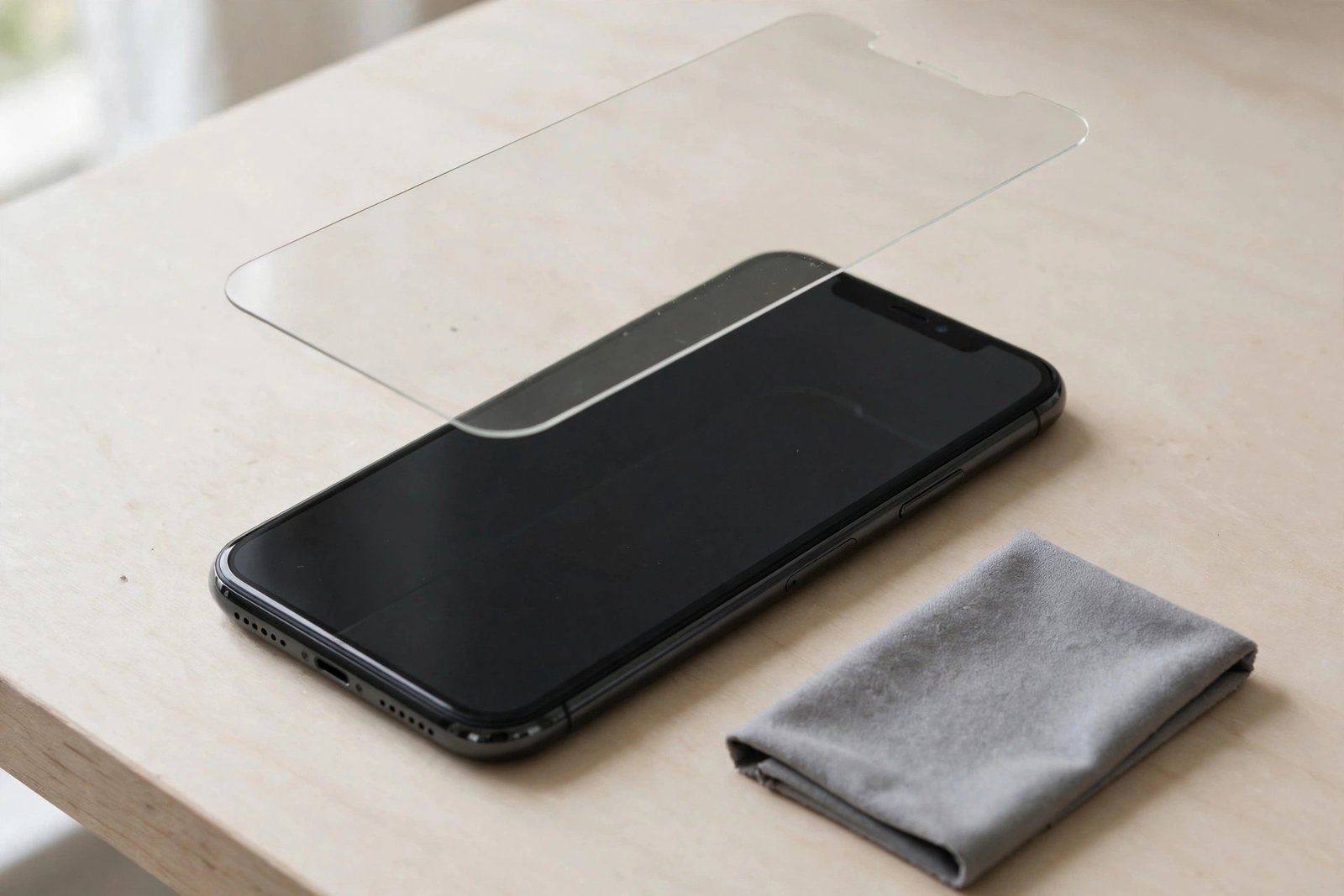
Like most modern phones, the iPhone X does not have a perfectly flat front. The glass curves gently down at the edges, which means a rigid, flat tempered glass protector cannot follow it all the way. Standard protectors therefore stop slightly short of the edges, leaving a narrow uncovered border that is normal and not a defect. So-called full-coverage or 3D protectors have curved, often black-bordered edges designed to reach further, but quality varies and the black border can slightly overlap the visible display area on some examples.
Also check the top of the protector. The iPhone X notch houses the speaker and the TrueDepth camera system used for Face ID, and protectors handle it in two ways: a cut-out that leaves the whole notch area exposed, or a full sheet with small precise openings. Either can work well, but avoid a protector whose glass covers sensors without proper openings, as that can affect functionality. Finally, if you use a case, choose a case-friendly protector that sits a fraction inside the display edges so the case lip does not lift it over time.
Buying Tips for an Older iPhone
Because the iPhone X is an older model, protector stock can be inconsistent. Some listings have been copied and recopied for years, and dimensions in marketplace descriptions are not always reliable. Favour sellers who state the compatible models plainly as iPhone X and iPhone XS, show the notch cut-out clearly in photographs, and include an alignment aid or at least fitting wipes and dust stickers in the kit. A twin pack is sensible, giving you a spare if the first attempt traps dust.
When the protector arrives, dry-fit it over the screen before peeling any backing. Hover it in place and check that the edges run parallel to the display, the notch area lines up and no part overhangs. That ten-second check catches a mislabelled protector before its adhesive ever touches your screen. If it lines up, clean the display thoroughly, fit it in low-dust conditions, and let small bubbles settle for a day before judging the result.
- Always dry-fit a protector for an older phone before peeling the backing film. Listings for discontinued models are mislabelled more often than listings for current phones, and a quick hover check saves a wasted protector.
Frequently Asked Questions
Will an iPhone XS screen protector fit my iPhone X?
Yes. The iPhone XS shares the same body dimensions as the iPhone X, so protectors made for the XS fit the X correctly, including the screen area and notch alignment. Listings combining both models — iPhone X / XS — are the ones to look for.
Can I use an iPhone 11 or XR protector on an iPhone X?
No. The iPhone XR and iPhone 11 have larger 6.1-inch displays in bigger bodies than the 5.8-inch iPhone X. Their protectors are physically too large, will overhang the screen and cannot be trimmed or made to fit properly.
Why does my iPhone X protector not reach the edges of the screen?
Because the iPhone X glass curves gently at the edges and flat tempered glass cannot bend to follow it. Standard protectors are deliberately made slightly smaller so they sit flat without lifting. Full-coverage designs with curved edges reach further, but a small border with a standard protector is normal.
Remember the pairing and you cannot go far wrong: iPhone X and XS protectors are interchangeable, everything larger is not — dry-fit first, and your veteran phone gets a fresh, clean screen again.