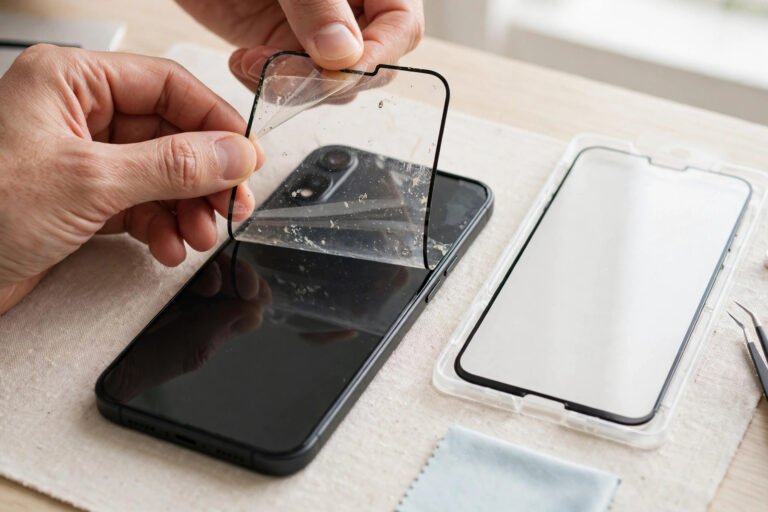
You peeled off your screen protector to clean underneath it, or you lifted a corner to fix a crooked install — and now you’re wondering: can you just stick it back on? It feels wasteful to bin a protector that looks perfectly fine.
The honest answer is disappointing but clear. Here’s why screen protectors can’t be reused once removed, the one narrow exception, and what to do instead.
Key Takeaways
- Once removed, a screen protector won’t re-stick properly — the adhesive layer is designed for one application only.
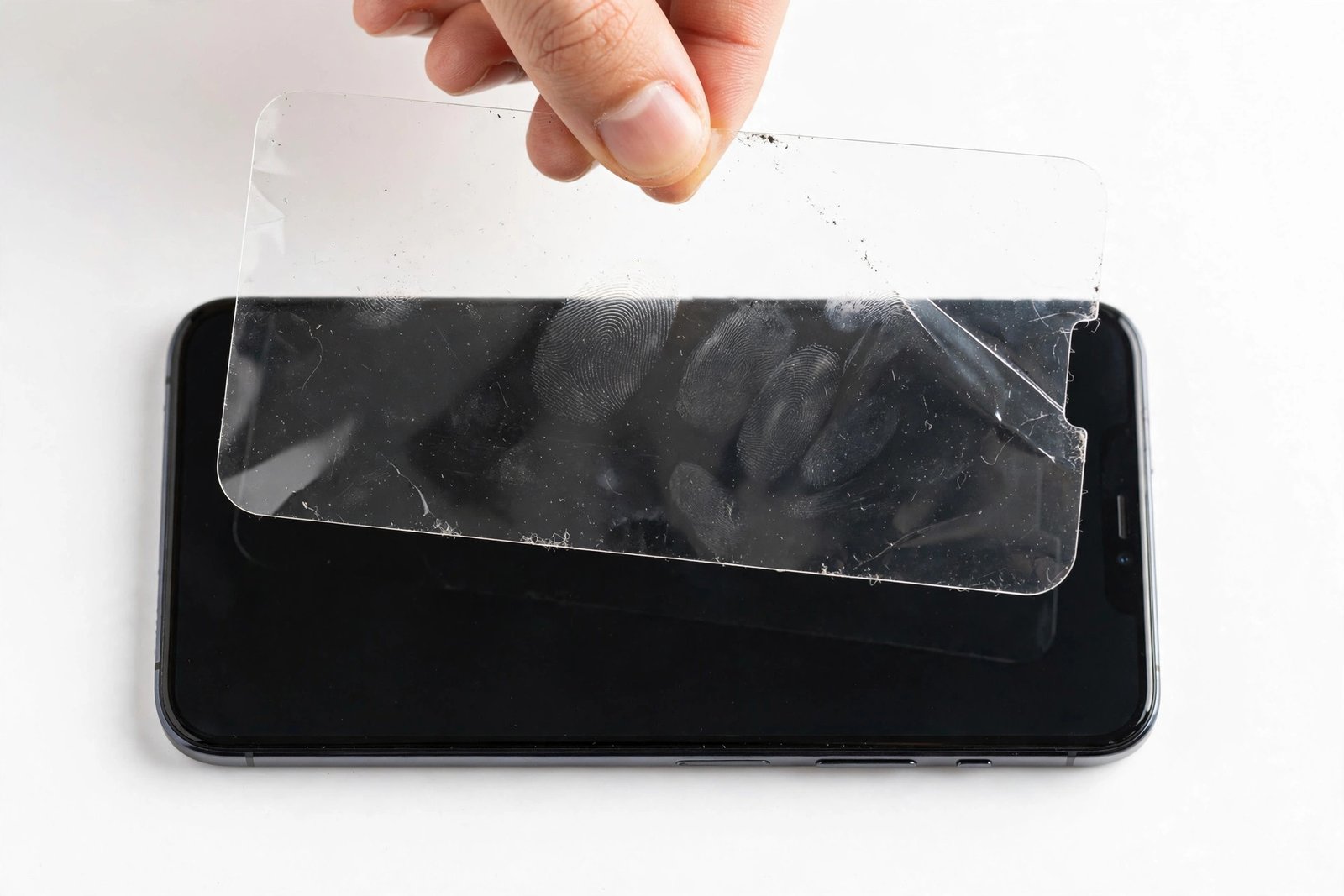
- Dust is the real killer: the exposed sticky side picks up invisible particles within seconds, causing permanent bubbles.
- Tempered glass can flex and micro-fracture when peeled, weakening it even if it looks undamaged.
- The only exception is lifting and repositioning within the first minute or two of the original install.
- Most protectors come in multi-packs — a fresh one from the box always beats a reused one.
The Short Answer: No, Don’t Reuse It
Screen protectors — whether tempered glass, PET film, or TPU — use a single-application adhesive. It’s engineered to bond once, cure over 24–48 hours, and hold for months. The moment you peel the protector off, three things happen that you can’t undo: the adhesive layer stretches and weakens, airborne dust lands on the exposed sticky surface, and (with glass) the rigid panel flexes in ways it wasn’t designed for.
People do try it, of course. The typical result: the protector goes back on with bubbles that won’t push out, edges that lift within days, and a cloudy patch where dust got trapped. You’ve traded a clean screen for a worse-looking protector that protects less well.
Why Tempered Glass Can’t Be Reused
Tempered glass protectors bond with a thin silicone adhesive layer. Peeling the glass stretches this layer unevenly — some areas stay tacky, others lose their grip entirely. Reapplied glass sticks patchily, which is why reused protectors develop those stubborn bubbles clustered in one region.
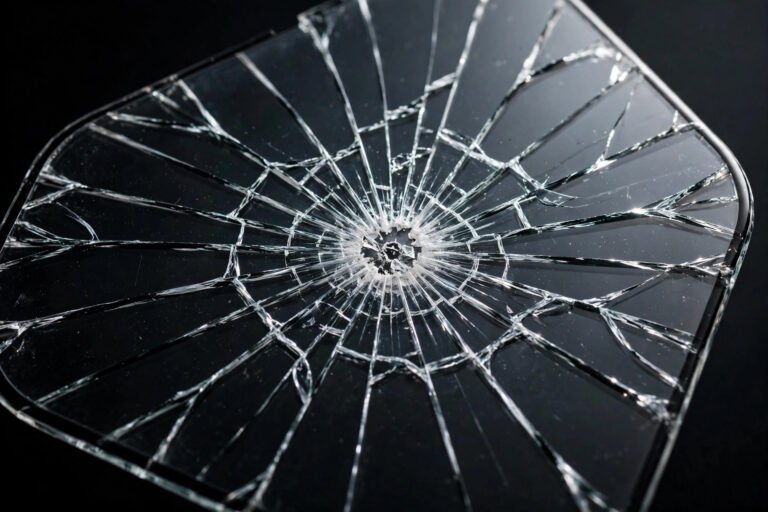
Worse, the peeling motion flexes the glass. Tempered glass is strong under compression but vulnerable to bending. That flex can create micro-fractures invisible to the eye but fatal to the protector’s impact resistance. A reused glass protector may look fine and shatter on the next minor knock — the exact moment you needed it.
Why Film Protectors Can’t Be Reused Either
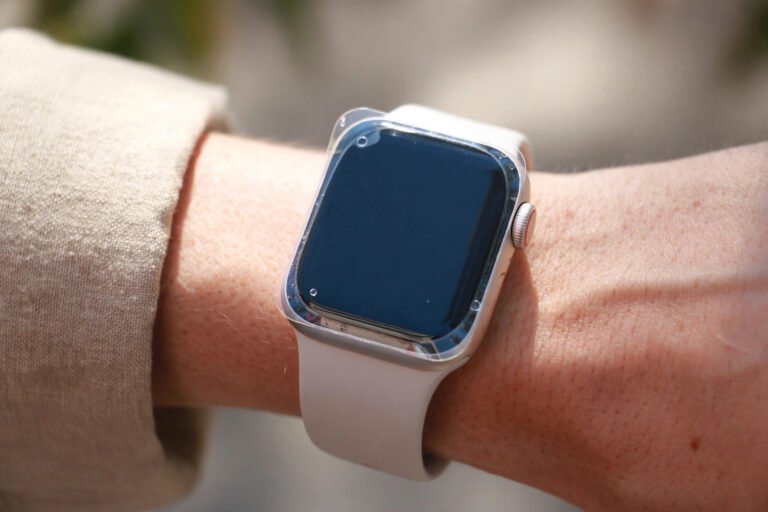
PET and TPU films are even less reusable than glass. The film stretches and deforms as you peel it — it will never lie perfectly flat again. Fingerprints from handling transfer oils onto the adhesive side, and the static charge that films carry acts like a dust magnet the instant the sticky side faces the air.
Anyone who’s tried to reapply a film protector knows the outcome: wrinkles, dust specks under every square centimetre, and edges that curl up within hours. Film is cheap precisely because it’s a one-shot product.
- If you must lift a protector during install, do it within the first 60 seconds, lift from a corner with tape (never your fingernail), and lay it straight back down without flipping it over. The less air exposure, the better your odds.
- After any lift-and-replace, inspect for dust under a bright light. One trapped speck becomes a permanent bubble — if you see one, it’s better to start fresh than to live with it.
The One Exception: Immediate Repositioning
There is exactly one scenario where “reusing” works: repositioning a protector seconds after you first applied it. If you drop the glass crooked and immediately lift it — before the adhesive starts to set and before dust has time to settle — you can usually get one clean second chance.
The window is short: a minute or two at most, in a dust-free environment. Once the adhesive begins curing, or once the protector has been off for more than a couple of minutes, you’re past the point of no return. Note this isn’t really “reuse” — it’s correcting an install in progress.
What About “Reusable” or Washable Protectors?
You may see products marketed as reusable, washable, or nano-suction protectors. These use micro-suction or static cling instead of true adhesive, so they can technically be removed, rinsed, and reapplied. In practice, they sit at the budget end of the market: weaker adhesion, easier edge-lifting, and thinner protection than a proper adhesive glass protector.
They’re fine as a stopgap, but don’t confuse “reusable” with “equally good”. A £3 suction protector reused five times still protects worse than a single quality tempered glass protector applied once.
What to Do Instead of Reusing
The practical answer is boring but correct: use a fresh protector. This is why experienced buyers purchase multi-packs — two or three protectors for barely more than the price of one. Keep a spare in the box it came in, somewhere cool and dry, and you’ll never be tempted to reuse a compromised one.
If you removed the old protector to clean underneath it, take the opportunity to do a proper fresh install: clean the screen thoroughly, use the dust stickers, and apply the new protector in a steamy bathroom. The result will look and perform dramatically better than any reused protector could.
Frequently Asked Questions
Can I reuse a screen protector if I only lifted one corner?
If it was seconds ago and no dust got under it, press the corner back down firmly — you’ll probably be fine. If the corner has been lifted for minutes, or you can see dust underneath, the bond in that area is compromised. Replace the protector.
Can I wash the sticky side and reuse it?
Washing destroys the silicone adhesive layer — water and soap break it down rather than restoring it. A washed protector won’t stick at all. This is a myth worth ignoring.
Will a reused protector still protect against drops?
Less than a fresh one. Patchy adhesion means impact force doesn’t distribute evenly, and any micro-fractures from peeling weaken the glass. It still beats a bare screen against scratches, but don’t trust it for drop protection.
How should I store spare protectors?
Keep them in their original packaging, flat, in a cool dry place — not a hot car or humid bathroom. The adhesive backing is stable for years when stored properly. Don’t open the pack until install day.
Screen protectors are consumables, not heirlooms. One clean application, months of protection, then a fresh one — that’s the deal, and trying to cheat it costs more in frustration than a new protector ever would.