You’ve probably seen the ads: a tiny bottle of liquid that promises “military-grade” screen protection with just a wipe. Liquid glass screen protectors sound like magic — invisible armour you paint onto your phone. But what actually is this stuff, and does it work?
This guide explains what liquid glass screen protector really means, how the coating works at a chemical level, what protection you genuinely get, and where the marketing stretches the truth.
Key Takeaways
- Liquid glass is a wipe-on nano-coating — silicon dioxide (SiO2) suspended in a solvent, not a physical sheet of glass.
- It improves scratch resistance by hardening the screen surface to around 9H pencil hardness.
- It adds no meaningful drop or shatter protection — there’s no physical layer to absorb impact.
- The coating is invisible and adds zero thickness, so cases, fingerprint sensors, and screen clarity are unaffected.
- Protection wears off over 1–2 years and can’t be visually inspected — you never quite know when it’s gone.
What Liquid Glass Actually Is
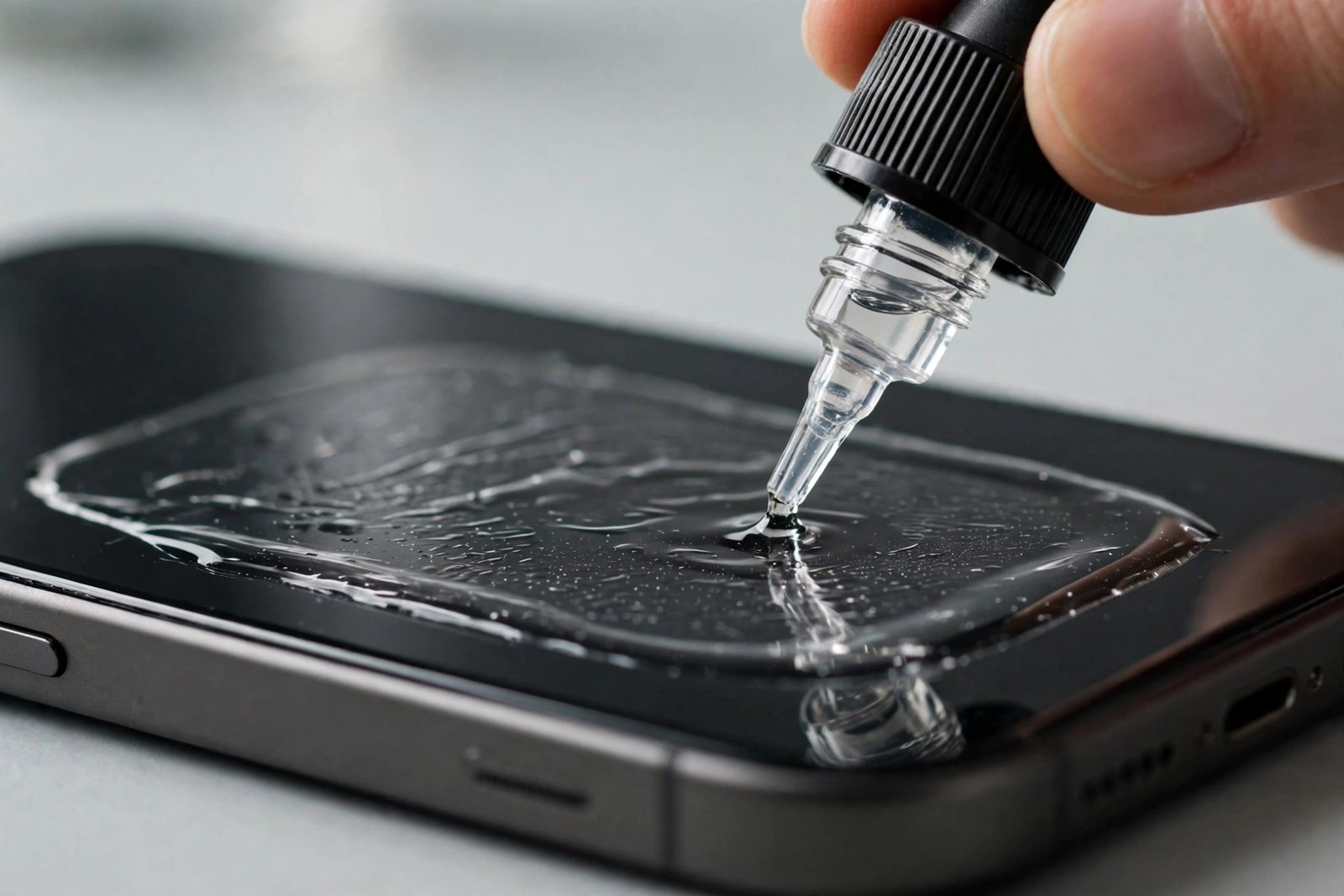
Despite the name, there’s no actual sheet of glass involved. A liquid glass screen protector is a liquid nano-coating, typically silicon dioxide (SiO2) — the same compound as glass — suspended in an alcohol-based solvent. You wipe it onto the screen with a cloth, the solvent evaporates, and the SiO2 particles bond to the glass at a microscopic level, filling in the tiny valleys and imperfections in the surface.
The result is a layer roughly 100 nanometres thick — about a thousand times thinner than a human hair. It’s genuinely invisible: no edges, no change to touch feel, no effect on brightness or colour. The “9H” claim you see in marketing refers to pencil hardness (the coating resists scratching by a 9H pencil), which is a real but narrow measure — it says nothing about surviving a drop onto concrete.
How to Apply Liquid Glass
Application is simple, which is most of the appeal. Clean the screen thoroughly first — any dust or oil gets sealed under the coating. Then wipe the liquid on in overlapping strokes, covering the entire display, and let it cure. Most products recommend 8–12 hours of curing before heavy use, though the surface feels dry within minutes.
One bottle usually covers several phones, and many kits include an oleophobic top-coat wipe for extra smudge resistance. There’s no alignment, no bubbles, no dust-under-glass anxiety — the whole process takes about two minutes plus curing time.
- Apply liquid glass before any physical protector if you plan to use both — the coating bonds directly to the screen, and a glass protector on top adds the impact protection the liquid lacks.
- Don’t apply it over an existing oleophobic coating failure expecting miracles: the liquid fills micro-scratches, but it can’t restore a worn factory coating’s smudge resistance on its own.
What Protection Does It Really Offer?
Scratch resistance: genuine improvement
This is where liquid glass earns its keep. By hardening the surface and filling microscopic flaws (which are where scratches start), it measurably improves resistance to the everyday abrasion of keys, coins, and grit in pockets. Independent testers consistently find coated screens pick up fewer fine scratches than bare glass.
Drop and shatter protection: essentially none
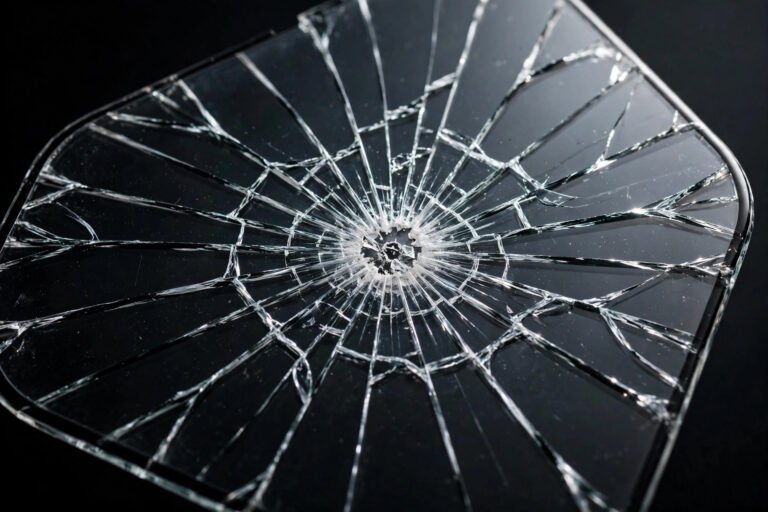
Here’s the critical limit. A 100-nanometre coating cannot absorb or distribute impact energy the way a 0.3mm tempered glass sheet does. Drop your phone on a hard surface and the liquid coating does nothing to stop the screen cracking underneath. Any marketing that implies shatter protection is misleading — the physics simply doesn’t work at that thickness.
Smudge and bacteria resistance: modest bonus
Many formulas include hydrophobic properties that make fingerprints slightly easier to wipe away, and some claim antibacterial effects from the SiO2 layer. Treat these as nice side benefits, not reasons to buy.
Liquid Glass vs Tempered Glass: An Honest Comparison
These products solve different problems. Tempered glass is a physical shield: it takes scratches and, crucially, sacrifices itself to absorb drops. Liquid glass is a surface treatment: it hardens what you already have but adds no structural protection. If your nightmare scenario is a cracked screen from a drop, liquid glass alone is not the answer.
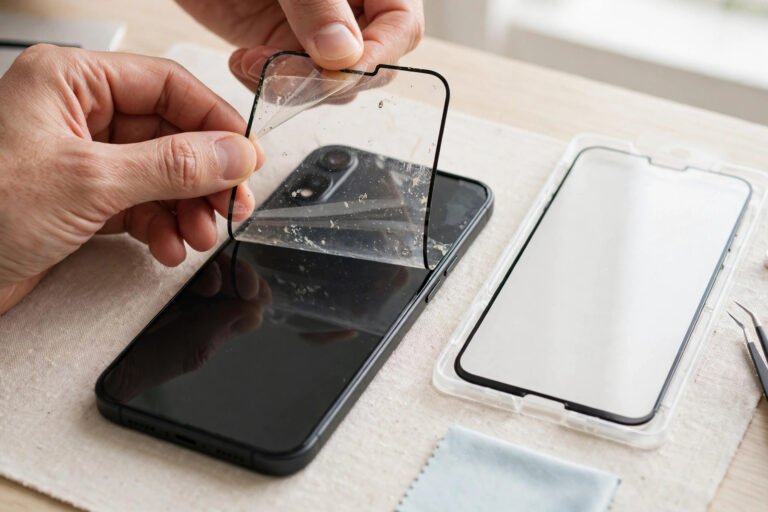
Where liquid glass wins is invisibility and compatibility. It works on curved screens, under-display fingerprint sensors, and phones where no good glass protector exists. It never peels, never traps dust, and never interferes with a case. Some people use both: liquid coating for scratch hardening plus a thin glass protector for impact — belt and braces.
The Downsides Nobody Mentions
The biggest practical problem is verifiability. You can’t see the coating, feel it, or test whether it’s still there. Manufacturers claim 1–2 years of durability, but heavy use, aggressive cleaning products, and alcohol wipes all degrade it faster — and you’ll never know when protection has worn off. A physical protector, by contrast, shows its condition openly.
There’s also the warranty question. A few phone manufacturers have, at various times, questioned whether third-party coatings affect warranty claims for screen issues. In practice this is rarely enforced, but it’s worth knowing the coating is a chemical modification of your screen’s surface — unlike a removable protector.
Frequently Asked Questions
Is liquid glass better than a tempered glass protector?
Not for drop protection — tempered glass wins by a mile. Liquid glass is better only for scratch hardening without adding any thickness, and for screens where physical protectors fit poorly. They’re complementary, not competitors.
How long does liquid glass last?
Manufacturers claim up to two years, but real-world durability is typically 9–18 months depending on use and cleaning habits. Avoid alcohol-based cleaners on a coated screen — they strip the coating faster.
Can I remove liquid glass?
Not really — it bonds at a molecular level and wears off gradually rather than peeling off. This is a key difference from physical protectors: application is effectively permanent until it degrades on its own.
Does liquid glass affect the touchscreen or fingerprint sensor?
No. At 100 nanometres thick, it has zero measurable effect on capacitive touch, under-display fingerprint readers, or Face ID. This is one of its genuine advantages over thick glass protectors.
Liquid glass is a legitimate scratch-hardening treatment wrapped in overblown marketing. Buy it for invisible scratch resistance — not for drop protection — and you’ll get exactly what you paid for.