Every new iPhone launch brings the same claim: the glass is tougher than ever. Apple’s Ceramic Shield — made by growing nano-ceramic crystals inside the glass — has been credited with big jumps in drop performance since it arrived, and each generation since has pushed a little further. So the question asks itself: if the glass is that tough, does an iPhone still need a screen protector at all?
The answer hinges on a distinction Apple marketing understandably glosses over: drop toughness and scratch resistance are not the same thing, and Ceramic Shield generations have improved one far more than the other. This guide explains what the tougher glass genuinely changes, what it does not, and gives a verdict by the kind of user you are.
Key Takeaways
- Ceramic Shield and its successors made iPhone glass much better at surviving drops — that improvement is real.
- Scratch resistance improved far less: sand, grit and pocket debris still mark iPhone screens, including the latest models.
- A protector on a modern iPhone is mainly scratch insurance and resale protection, not drop armour.
- Careful, case-using owners of recent iPhones can reasonably go without one.
- Beach-goers, tradespeople, parents and resellers still gain the most from fitting one.
What Ceramic Shield Actually Improved
Ceramic Shield works by embedding tiny ceramic nano-crystals — harder than most metals — into the glass matrix. The result is a material that tolerates impact far better than conventional phone glass. Independent drop testing over successive generations has broadly backed the direction of Apple’s claims: modern iPhones survive face-down drops onto hard surfaces that would routinely have shattered older models. Later generations refined the formula further, and the newest versions are presented as the toughest yet on the front and back.
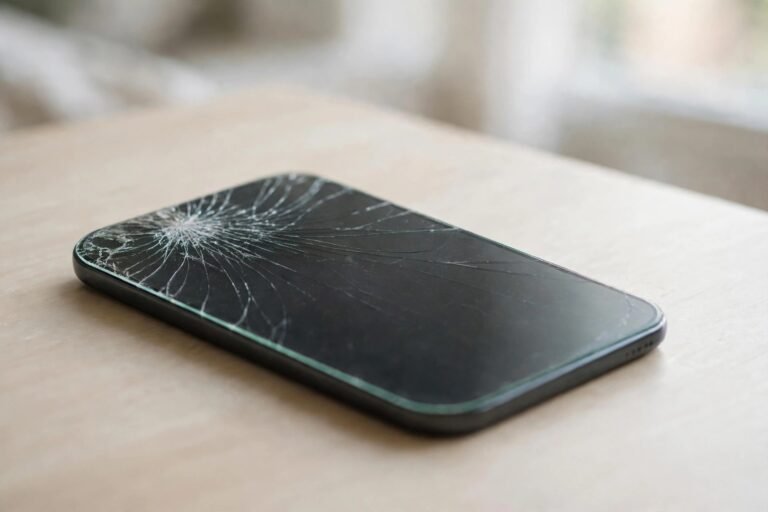
For the protector question, this matters. The classic fear — one unlucky drop, one destroyed screen — is genuinely less justified than it was in the all-glass era of a decade ago. If drops are your only concern, a modern iPhone plus a decent case is a defensible setup with no protector at all.
What It Did Not Fix: Scratches
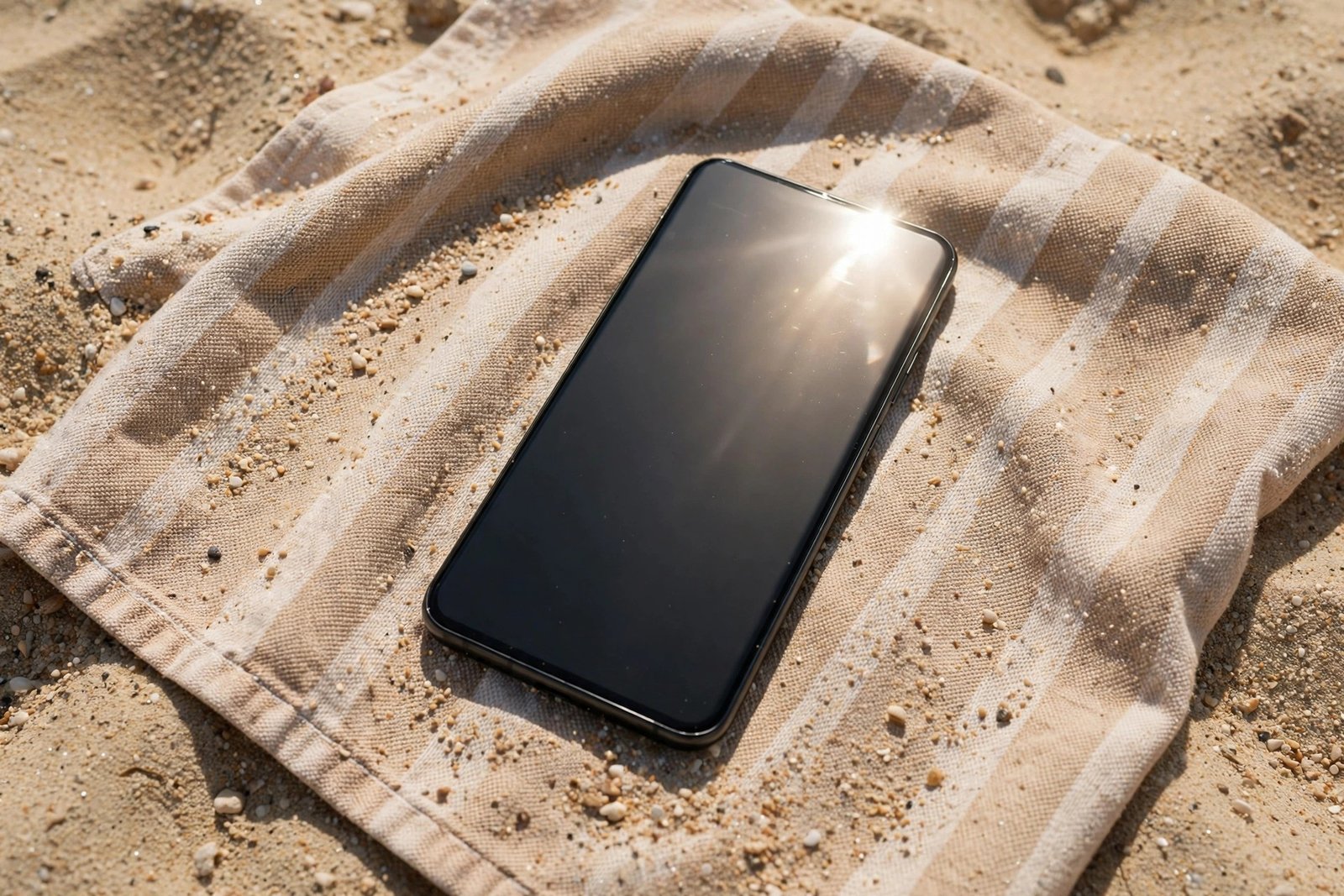
Here is the trade-off built into toughened glass. Making glass survive drops means letting it flex and absorb energy rather than being maximally hard and brittle — and surface hardness is what resists scratching. Materials harder than the glass surface will still cut into it, and the commonest of those is utterly mundane: sand and grit, which contain quartz, one of the few everyday substances hard enough to mark any phone glass.
That is why owners of brand-new iPhones still find fine scratches after a beach day, a pocket shared with grit, or a slide across a dusty worktop — sometimes within the first week. These marks are usually cosmetic rather than structural, but they are permanent, they catch the light, and they are exactly what condition graders look for at trade-in. Drop toughness did not remove them; it was never designed to.
- Test your own exposure: after a normal week, wipe your screen and inspect it under a bright lamp held at a low angle. Fine lines you cannot feel are stage one — they only accumulate from there.
- Sand deserves special respect. Shake and brush pockets and bags out after beach trips; a single grain trapped against the screen does more damage than a month of careful use.
The Verdict by User Type
The careful minimalist: recent iPhone, good case with a raised lip, phone kept in its own pocket, no beach-and-building-site lifestyle. You can skip the protector with a clear conscience — your drop risk is well covered by the glass and case, and your scratch exposure is low. The reseller: if you upgrade yearly and trade in, fit one. Graders penalise screen scuffs, and a protector keeps the original glass in top-band condition for the price of a coffee.
The active and the unlucky: outdoor work, sport, travel, kids with access to your phone, or a personal history of scratched screens. Fit one — your risk is scratches, and that is precisely what a protector is for. Everyone else: the honest middle answer is that a protector is optional but cheap. If the existence of this question nags at you, that nagging is information: fit one, and stop thinking about it.
One More Consideration: The Coating
iPhone screens carry an oleophobic (fingerprint-resistant) coating that wears away with use, typically over a year or two, after which the glass smudges more easily and feels less slick. A screen protector effectively takes that wear instead — its own coating fades, you replace the protector, and the factory coating underneath stays closer to new. It is a minor point, but for owners who keep phones a long time it is a real, if quiet, benefit of covering up.
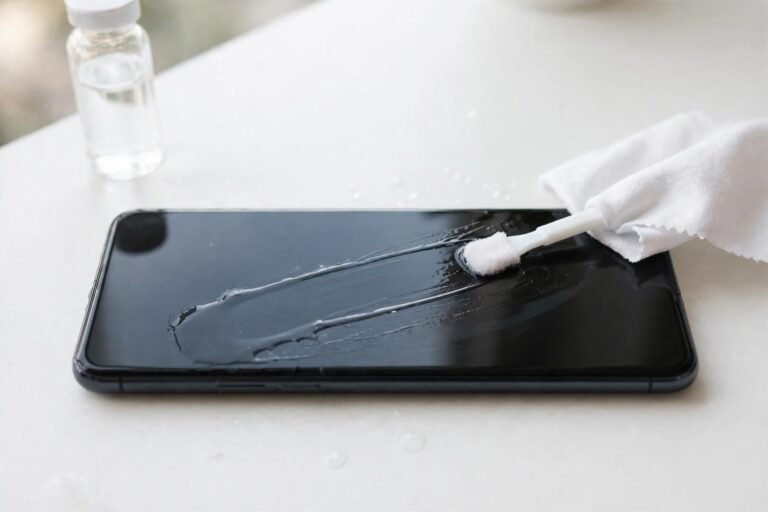
- If you go without a protector, never clean the screen with anything abrasive or with strong solvents — you will strip the factory coating and make smudging permanently worse. A clean microfibre cloth, slightly dampened with water, is all Apple recommends.
Frequently Asked Questions
Does Apple itself say a protector is unnecessary?
Apple markets the toughness of its glass but sells and fits protectors in its own stores, which tells you the company’s real position: the glass is tough, and a protector is still a reasonable extra. Third-party protection is a personal choice, not something the design makes pointless.
Can a protector affect Face ID or touch on an iPhone?
A properly fitted tempered glass protector made for your model should not — the sensor area is left clear or covered with material designed to pass it, and touch sensitivity is unaffected by quality glass. Problems almost always trace back to poor fit, trapped dust over the sensor area, or very cheap protectors.
My iPhone screen already has fine scratches. Is it too late?
Not at all. A protector will not remove existing scratches — claims otherwise should be treated with suspicion — but fitting one stops the collection growing, and the adhesive layer can make very fine marks slightly less visible. The screen you have now is the worst it ever needs to get.
Ceramic Shield changed the drop question, not the scratch question. Know which risk is actually yours, and the answer for your iPhone decides itself.