ZAGG is the name most people encounter first when they walk into a phone shop and ask about screen protection. Through its InvisibleShield line, the company has spent nearly two decades building the most recognisable premium brand in the category — the one sold at carrier stores, bundled with new phones, and fitted by staff at the counter. That visibility raises an obvious question: is the premium price buying genuinely better protection, or just better marketing?
The short answer is that ZAGG earns its reputation more than most premium brands do, but the value equation depends on what you prioritise. This guide gives an objective look at what ZAGG protectors actually offer — the materials, the fit, the warranty, and the price — and where the compromises hide, so you can decide whether the premium is worth it for you.
Key Takeaways
- ZAGG’s InvisibleShield is the most widely retailed premium screen protector brand, sold through carriers and electronics stores with optional professional installation.
- Fit and finish are consistently strong: model-specific tooling, precise cutouts, and reliable edge adhesion across popular phone models.
- You pay a significant premium over budget brands — often several times the price of an equivalent multi-pack — for that consistency and retail support.
- The warranty and replacement terms have changed over the years, so read the current policy for your region before buying on the strength of it.
- ZAGG is worth it if you value guaranteed fit, in-store help, and a single protector that lasts; budget brands win if you are happy to fit it yourself and replace it cheaply.
Who ZAGG Are
ZAGG is a US-based accessories company and InvisibleShield is its flagship screen protection brand, launched in the mid-2000s around military-grade film originally developed for helicopter blades. That origin story became the brand’s identity: protection engineered beyond the ordinary. Over the years the line expanded from film into tempered glass, hybrid materials, and specialised finishes including privacy, anti-glare, and blue-light filtering options.
Unlike budget brands that exist mainly as marketplace listings, ZAGG operates as a full consumer brand: retail partnerships, its own stores and kiosks, professional installation services, and a customer support organisation. That infrastructure is a large part of what the premium price funds.
The Product Range
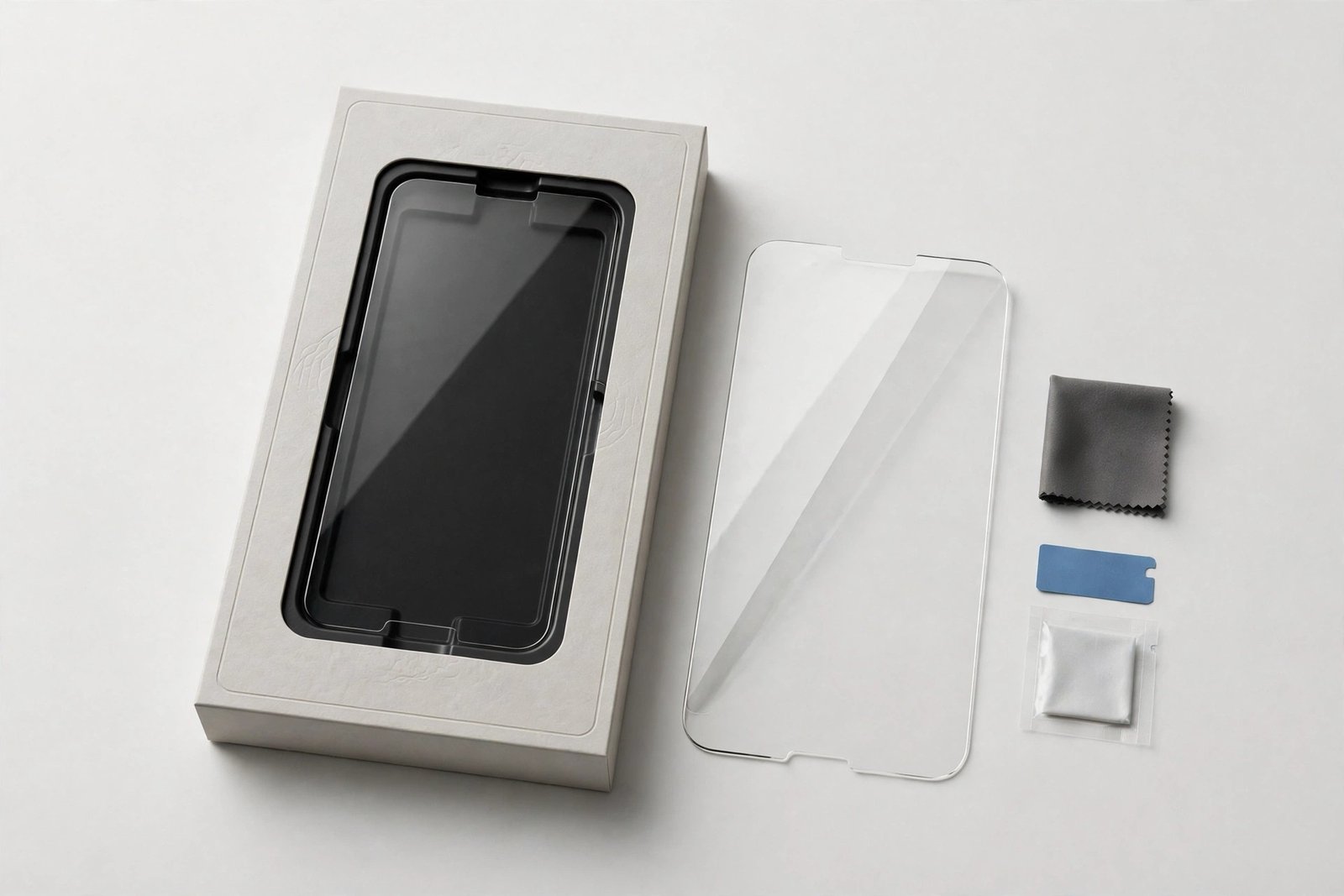
The InvisibleShield line is tiered. At the top sit the glass protectors with the brand’s ion-exchange strengthening and antimicrobial treatment; below them are standard tempered glass options and hybrid film protectors for curved or foldable displays. There are also speciality variants — privacy glass that narrows the viewing angle, and blue-light filtering glass aimed at heavy screen users. The range is genuinely broader than most competitors, which matters if you want something beyond plain clear glass.
One practical strength is launch-day coverage: ZAGG typically has protectors ready for new flagship phones immediately, with precise cutouts for that year’s camera and sensor layouts. Budget brands often need weeks to catch up, and early production runs from any manufacturer carry more fit risk.
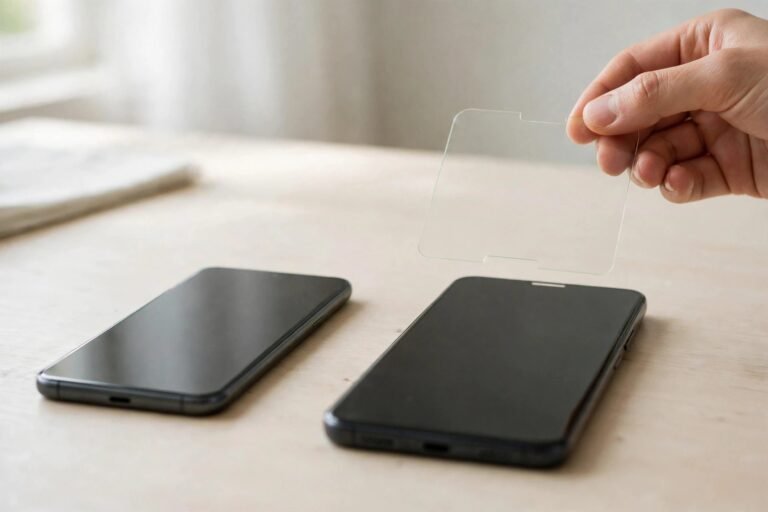
- If you buy ZAGG in-store, let the staff fit it. Professional installation is the single biggest advantage of buying premium at retail — a perfect, dust-free fit on the first try, which is exactly what the price premium is partly paying for.
Fit, Feel, and Daily Performance
This is where ZAGG most clearly justifies its price. The protectors are cut for specific models with tight tolerances: edges that follow the display closely without overhanging into case territory, cutouts that actually line up with speakers and sensors, and adhesive that holds the edges down without the halo effect that plagues cheaper glass. Touch sensitivity is generally excellent, and the oleophobic coating tends to outlast budget equivalents — the surface stays smooth and fingerprint-resistant for noticeably longer.
That said, no protector is magic. ZAGG glass can still crack on a hard corner drop — that is the designed behaviour of tempered glass, sacrificing itself for the display. Some users also find that the premium glass shows fine scratches sooner than they expected for the price; tempered glass resists shattering, but its surface is not scratch-proof, and keys will mark it like any other glass.
The Warranty Question
ZAGG built much of its reputation on a generous replacement warranty — historically, a limited lifetime warranty that let owners replace a damaged protector for a small fee. This was a genuine differentiator and a big part of the value story: one purchase could cover years of cracked protectors.
The important caveat is that warranty terms have evolved, and they differ by product line and region. Before buying partly for the warranty, read the current terms for the exact product you are considering: what counts as covered damage, what the replacement fee is, how many replacements are allowed, and whether registration is required. A warranty is only as good as its fine print, and policies that were generous five years ago may not be identical today.
Value for Money: The Honest Maths
A single ZAGG protector typically costs several times what a budget two- or three-pack costs. Whether that is good value depends entirely on your habits. If you keep a phone for two or three years, value a guaranteed fit, and would rather pay once than re-fit a protector every few months, the premium buys real peace of mind — especially with professional installation included at retail.
If you upgrade yearly, fit protectors yourself competently, or simply do not mind replacing a scratched budget protector, the maths favours the budget tier. Three cheap protectors replaced as needed deliver comparable screen safety over a year for less money. ZAGG’s advantage is consistency and convenience, not invincibility.
- Compare the total two-year cost, not the sticker price: one premium protector (plus any replacement fees) versus two or three budget multi-packs. The answer is different for a careful owner and a serial phone-dropper.
Things to Watch Out For
First, model specificity cuts both ways: ZAGG’s precise fit means you must buy the exact variant for your phone — a protector for the standard model will not fit the Plus or Ultra properly. Second, some case combinations can still lift edges; if you use a particularly tight case, check compatibility notes. Third, the antimicrobial and blue-light claims are nice extras, but treat them as bonuses rather than reasons to buy — the core purchase decision should rest on fit, durability, and price.
Frequently Asked Questions
Is ZAGG better than cheap Amazon screen protectors?
In fit consistency, coating longevity, and retail support — yes, measurably. In raw drop protection, the gap is smaller than the price gap suggests: all tempered glass sacrifices itself on hard impacts. You are paying for precision and convenience as much as protection.
Does the ZAGG warranty cover cracked protectors?
Historically yes, through a limited lifetime replacement programme with a fee per replacement — but terms have changed over time and vary by product and region. Check the current warranty page for the exact product before relying on it.
Are ZAGG protectors worth it for kids’ or work phones?
For phones that take a beating, the calculus shifts: a device that cracks protectors monthly will burn through replacement fees, and cheap multi-packs become the economical choice. ZAGG makes most sense for phones you intend to keep pristine for a long time.
ZAGG is a genuinely good screen protector — excellent fit, durable coating, and real retail backing. Whether it is worth the premium is personal: pay for certainty and convenience, or save the money and fit a budget protector yourself. Both approaches protect your screen; only one protects your wallet.