Shopping for a screen protector, you’ll see three materials over and over: tempered glass, PET film, and TPU. Glass you understand. But what exactly is TPU, and why do so many protectors — especially for curved screens — use it?
This guide explains what a TPU screen protector is, how thermoplastic polyurethane differs from glass and PET, the famous self-healing trick, and whether TPU is the right choice for your phone.
Key Takeaways
- TPU stands for thermoplastic polyurethane — a flexible, rubber-like plastic film, not glass.
- Its flexibility makes it ideal for curved and edge-to-edge screens where rigid glass can’t follow the curve.
- TPU self-heals minor scratches — the material slowly flows back together, erasing light marks within a day or two.
- It offers excellent scratch protection but limited drop protection compared to tempered glass.
- TPU is the best choice for under-display fingerprint sensors, as the thin film interferes less with ultrasonic readers.
What TPU Actually Is
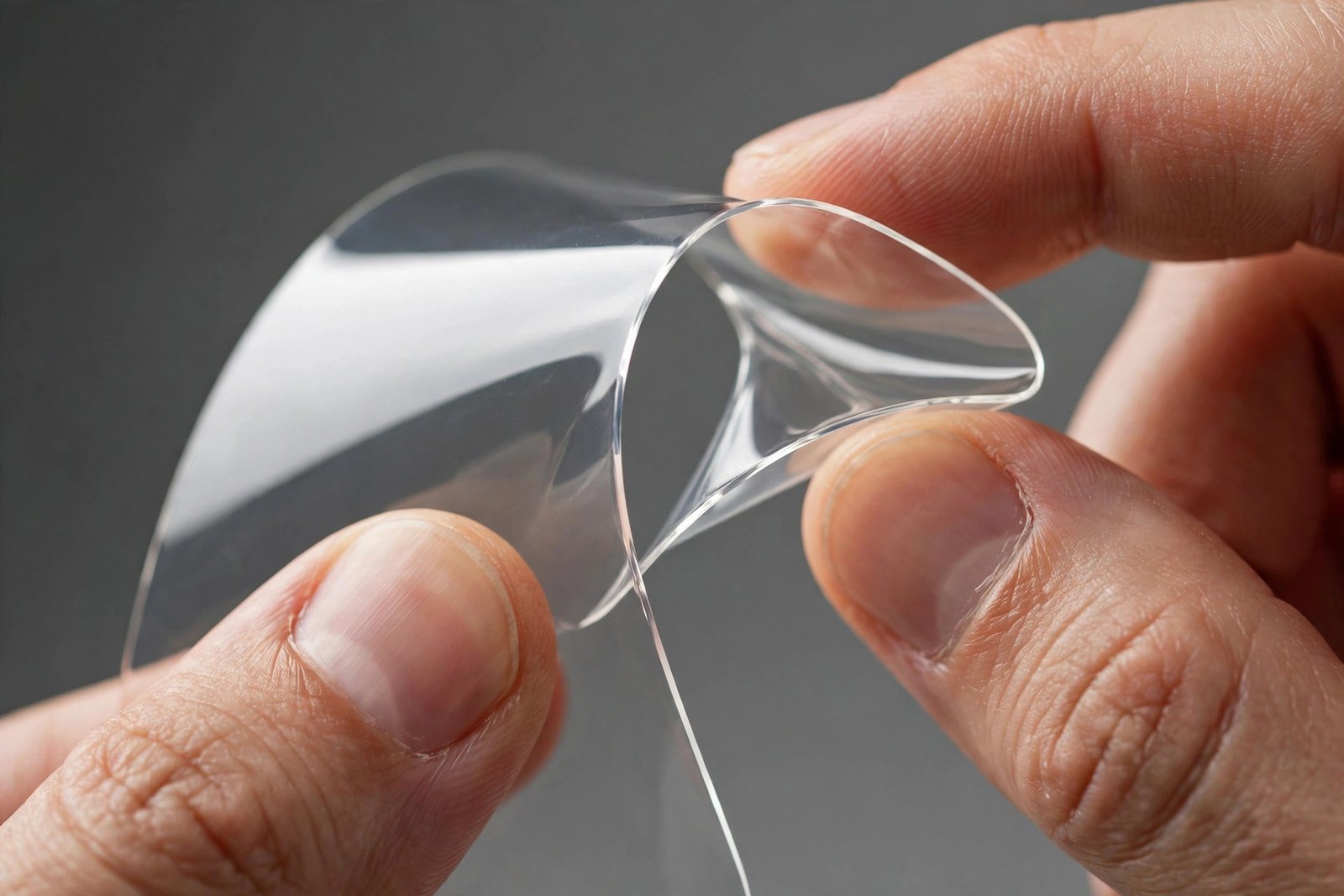
TPU — thermoplastic polyurethane — is a class of flexible plastic known for elasticity, abrasion resistance, and clarity. You’ve almost certainly handled it before: it’s the same material used in phone cases, cable insulation, and inflatable products. In screen protectors, it’s manufactured as an ultra-thin, optically clear film, typically around 0.15–0.2mm thick.
Unlike tempered glass, which is rigid and shatters, TPU bends, stretches, and absorbs. It can’t crack — the worst that happens is a scratch or dent. That fundamental difference in behaviour drives every advantage and limitation below.
TPU vs Tempered Glass vs PET: How They Compare
Against tempered glass
Tempered glass is the impact champion: its rigidity spreads drop force across the surface, and it sacrifices itself to save your screen. TPU can’t match that — a hard drop on a corner will transfer more force through flexible film. But glass has a weakness TPU doesn’t: it’s rigid. On curved-edge phones, glass protectors either stop short of the curve (leaving edges exposed) or need expensive UV-cured adhesive to follow it. TPU drapes over curves naturally.
Against PET film
PET is the older, cheaper film — thin, clear, and utterly basic. TPU is PET’s tougher younger sibling: thicker, more elastic, and self-healing, where PET scratches permanently and stays scratched. TPU also feels better under the finger — slightly softer and more premium than PET’s plasticky drag. For film-type protection, TPU is the clear upgrade.
- TPU’s flexibility is why it’s the go-to for curved screens (older Galaxy S-series edges, Pixel curved displays). If glass protectors for your phone all stop short of the edges, TPU gives you true edge-to-edge coverage.
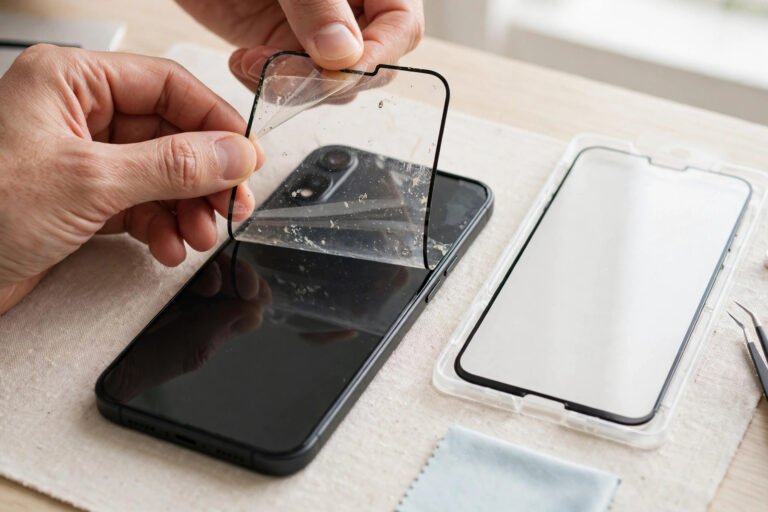
- Installing TPU? Use the wet application method if included — a light mist of the solution lets you slide the film into perfect position before it adheres. Don’t skip the squeegee step.
The Self-Healing Trick, Explained
TPU’s party trick is real: light scratches disappear on their own. Because the polyurethane is elastomeric — its molecular chains are coiled like tiny springs — a shallow scratch displaces material rather than removing it. Over hours (faster with a little warmth from your hand or sunlight), the chains relax back and the groove closes up.
There are limits. Self-healing handles hairline scratches and scuffs — the everyday marks from pockets and bags. It won’t fix deep gouges where material was actually torn away, and it won’t repair a puncture. But for keeping a protector looking new through months of normal use, it’s remarkably effective. No other protector material does this.
TPU and Fingerprint Sensors: A Perfect Match
Here’s a genuinely important advantage. Ultrasonic under-display fingerprint sensors (Samsung Galaxy S-series flagships) send sound waves through the screen — and thick, rigid glass can block or scatter those waves, breaking fingerprint unlock. TPU film is thin and acoustically transparent by comparison, so the sensor reads straight through it.
This is why TPU dominates the fingerprint-sensor-friendly category. If your phone has an ultrasonic reader and glass protectors keep killing it, TPU is usually the fix — no UV lamps, no special adhesive, just a film the sensor can see through.
The Honest Downsides
TPU’s softness is also its weakness. It dents rather than deflects: press a sharp object into it and the film deforms, where glass would resist. Against drops, it offers scratch protection and minor shock absorption, but nothing like the sacrificial impact shield of tempered glass. If you drop your phone onto concrete regularly, glass protects better.
TPU can also develop a slight orange-peel texture over time, and cheaper films may yellow with prolonged UV exposure. Quality TPU resists both, but the material will never feel as hard and premium under the finger as real glass. Installation is fussier too — wet-apply films demand patience and a dust-free workspace.
Frequently Asked Questions
Is TPU better than tempered glass?
Neither is universally better — they solve different problems. Tempered glass wins on drop protection and premium feel; TPU wins on curved-screen coverage, fingerprint sensor compatibility, and self-healing. Clumsy with drops? Choose glass. Curved screen or ultrasonic sensor? Choose TPU.
How long does a TPU protector last?
Typically 6–12 months. Self-healing keeps it looking fresh through light wear, but the film eventually accumulates damage beyond healing, or the edges start lifting. Replace it when scratches stop fading or the texture turns rough.
Does TPU turn yellow?
Cheap TPU can yellow with UV exposure over months — the same reason old clear phone cases discolour. Quality TPU films include UV stabilisers and stay clear for their normal lifespan. If yellowing bothers you, buy from established brands rather than no-name multi-packs.
Can I use TPU with a phone case?
Yes — TPU’s thin profile and flexibility make it very case-friendly. Because it follows the screen’s curves, cases are less likely to catch its edges than with rigid glass. Just let a wet-applied film cure fully (24 hours) before fitting a tight case.
TPU is the flexible problem-solver of screen protection: unbeatable on curved screens and fingerprint sensors, self-healing against daily wear, and honest about its limits on drops. Match the material to your phone, not to the marketing.