There’s a special frustration in replacing a cracked screen protector, installing the new one perfectly — and watching it crack again within weeks. If that sounds familiar, you’re not cursed. A protector that keeps cracking is telling you something specific, and once you know what to look for, the cycle is easy to break.
First, the reassuring part: a cracked protector almost always means it did its job. Tempered glass is designed to be sacrificial — it absorbs impact energy by breaking so your screen doesn’t have to. But when it happens again and again, something in the setup is working against you. Let’s find it.
Key Takeaways
- Cracking is the job description — tempered glass sacrifices itself to absorb impacts that would otherwise reach your screen.
- Repeated cracking usually points to cheap thin glass, exposed edges, or case pressure — not bad luck.
- Replace a cracked protector promptly — a compromised protector protects far less than an intact one.
- Look for proper thickness, full adhesive, and a case-friendly fit when buying a replacement.
- Film protectors (PET, hydrogel) don’t crack at all — worth considering if you’re tired of the cycle.
- Mystery cracks with no drops often come from pressure in a pocket or bag, or a tight case flexing the glass.
Why Cracking Is Actually the Plan
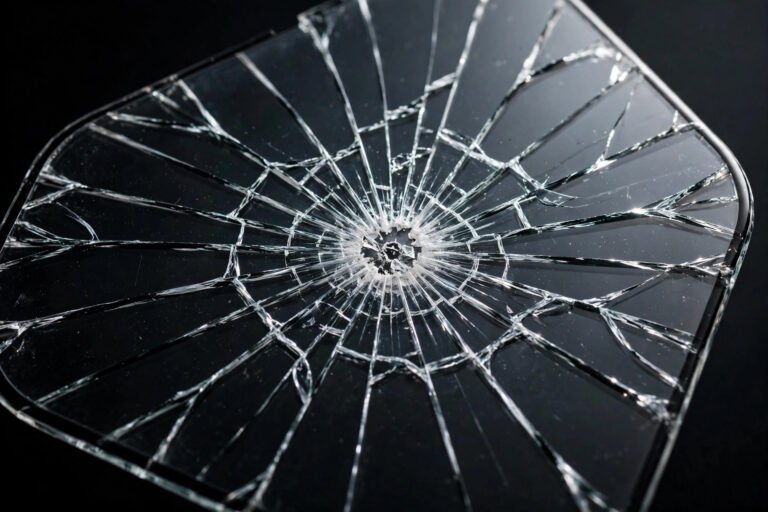
Tempered glass is made by heating and rapidly cooling glass to put its surface under compression. That makes it hard to scratch — but a sharp hit releases that stress all at once as a crack. That crack is energy being absorbed: the force that spider-webbed your protector is force that never reached your display.
This is why cracks spread from edges and corners. The middle of a tempered glass sheet is its strongest point; the edges are its Achilles’ heel. A protector whose edges hang exposed past your case, or one that’s slightly too large and catches on things, will crack far more readily than one whose edges sit safely tucked away.
- A single hairline crack means the protector has done its duty — but its structural integrity is now spent. Replace it rather than waiting for the web to spread.
- If cracks always start at the same corner, that corner is exposed or under pressure — check your case fit there first.
The Real Reasons It Keeps Happening
One cracked protector is normal wear. A pattern of cracked protectors points to one of these usual suspects.
The glass is too cheap or too thin
Not all tempered glass is equal. Bargain protectors are often thinner than advertised, poorly tempered, or glued only at the edges. Such glass cracks under knocks a quality protector would shrug off. If yours cost less than a cup of coffee, the protector itself is likely the problem — spending a little more usually ends the cycle.
The edges are exposed
Remember: edges are the weak point. A protector extending right to the display’s edge, with no case lip rising above it, takes direct hits on its most vulnerable zone. “Case-friendly” protectors are cut slightly narrower so your case’s raised lip takes the impact instead. If your case has no raised lip, that may be the missing piece.
Your case is the culprit
Ironic but common: the case meant to protect your phone may be flexing or pressing on the protector. An overly tight case puts constant pressure on the glass edges, and a rigid lip can lever the protector up each time you snap it on or off. If cracks radiate from where the case grips hardest, try a different case or a case-friendly protector with more clearance.
Pressure you don’t notice
Many “mystery cracks” come from sustained pressure, not drops: sitting on the phone in a tight back pocket, a bag strap pressing on it, or heavy objects resting on it face-down. Tempered glass handles sharp impacts well but dislikes slow, bending pressure — front-pocket or loose-bag carry makes a surprising difference.
Flawed installation or a bad batch
A protector installed over trapped dust or a tiny chip at the edge starts life with a stress point, and cracks love stress points. Likewise, an occasional manufacturing dud — a micro-fracture from the factory — will crack at the slightest provocation. If a brand-new protector cracks within days without any incident, suspect the install or the unit, not your habits.
Do Film Protectors Crack Too?
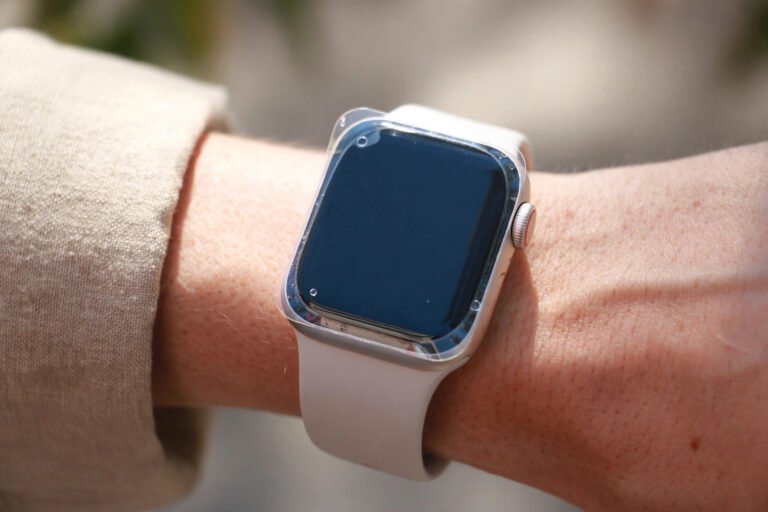
No — and that’s their quiet superpower. PET and hydrogel films can’t crack; with no rigid glass to fracture, they simply flex. They won’t absorb a hard drop like tempered glass, but if your days involve more pocket scratches than concrete drops, a quality film can end the replace-and-repeat cycle — hydrogel versions even heal their own scratches.
That said, switching to film is a trade-off, not an upgrade. You gain freedom from cracks; you lose the sacrificial impact absorption. Pair a film protector with a case that has a proper raised lip, and for most everyday use the combination is perfectly sensible.
- Before switching materials, try one quality glass protector (proper thickness, full adhesive, 9H hardness rating, case-friendly cut) with a lip-style case — for most people, that combination stops the cracking cycle cold.
- Keep a spare protector in a drawer. The temptation to live with a cracked one “for a bit” is exactly how screens get damaged.
How to Break the Cycle
Work through this checklist in order, and the repeat-cracking problem usually resolves at one of the early steps. First, buy better glass. Look for genuine tempered glass of honest thickness (around 0.3mm is the sweet spot), full-coverage adhesive rather than edge-only glue, and a stated 9H hardness. Read reviews specifically mentioning durability, not just clarity.
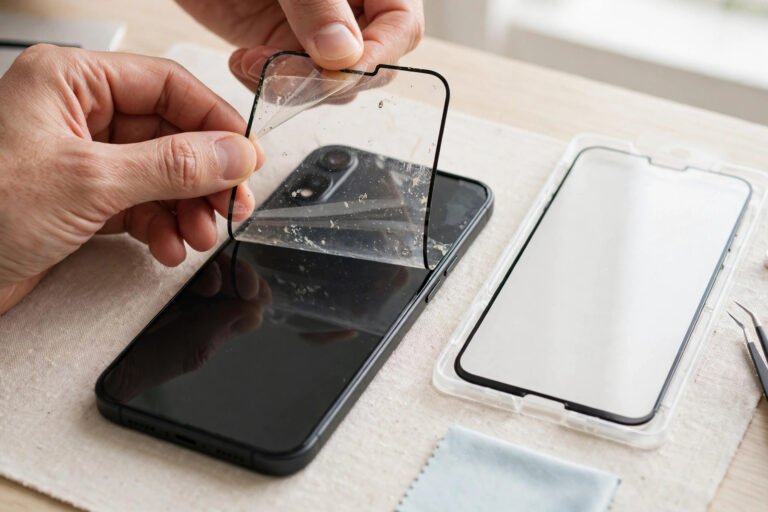
Second, get the fit right. Choose a case-friendly cut and a case with a raised lip that sits above the glass — you should be able to run a fingernail around the glass without the lip touching it. Third, install carefully on a truly clean screen and let the adhesive cure before snapping a tight case back on.
Finally, change the habits that stress glass. Carry the phone in a front pocket or a padded compartment rather than a tight back pocket, don’t stack heavy objects on it face-down, and take it out of the pocket you sit on. It’s removing the slow pressure behind those baffling overnight cracks.
Frequently Asked Questions
Is a cracked screen protector still protecting my phone?
Barely. A cracked protector has already spent its structural integrity absorbing the impact that cracked it. It still guards against light scratches, but its ability to absorb the next hit is greatly reduced — and loose shards can even scratch your screen. Replace it as soon as you can.
Why did it crack when I didn’t drop it?
The usual causes are pressure, not impact: sitting on the phone, a tight pocket, something heavy resting on it, or a case flexing the glass. Temperature swings can also stress an already-weakened protector. Check for a pattern — same corner, same time of day — and you’ll usually find the culprit.
Will a thicker protector crack less?
Up to a point — but quality matters more than raw thickness. A well-tempered 0.3mm protector from a reputable maker outlasts a sloppily made 0.5mm one, and very thick glass can hurt touch sensitivity and case fit.
Should I switch to a film protector?
If cracking — not drops — is your main frustration, it’s a reasonable move. Films never crack, and hydrogel versions even heal their own scratches. Just go in with open eyes: you’re trading sacrificial drop protection for crack-free convenience, so pair the film with a good raised-lip case.
A cracking protector is a protector doing its job — but it shouldn’t need to do it every month. Fix the fit, feed it better glass, ease off the pocket pressure, and the cycle stops.