Modern phone glass is tougher than ever. Manufacturers market drop-resistant ceramic composites and ever-newer generations of hardened glass, and some phone owners now question whether screen protectors are a relic of the scratch-prone past. It is a fair question — so let us answer it honestly, with the real cost-benefit maths rather than marketing from either side.
The honest verdict: for most people, yes, a screen protector is still worth it — but not for the reasons you might think, and not for everyone. This guide weighs the actual costs, the genuine toughness of modern glass, who gets real value from a protector, and how the maths compares with phone insurance.
Key Takeaways
- A quality protector costs a tiny fraction of a screen repair — the cost ratio is overwhelmingly in its favour.
- Modern display glass resists cracking better than scratching — sand and grit are the real enemy, not drops.
- The people who benefit most are resale-value conscious owners, parents, and anyone in gritty environments.
- A protector is not insurance: it reduces risk but does not cover theft, loss, or a display panel that dies underneath.
- If you upgrade yearly and baby your phone, going bare is a defensible choice — know the trade-offs first.
The Cost Maths, Honestly
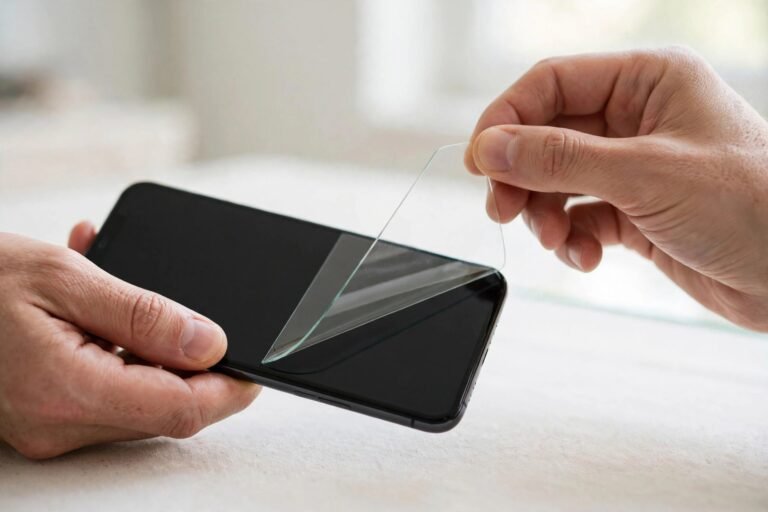
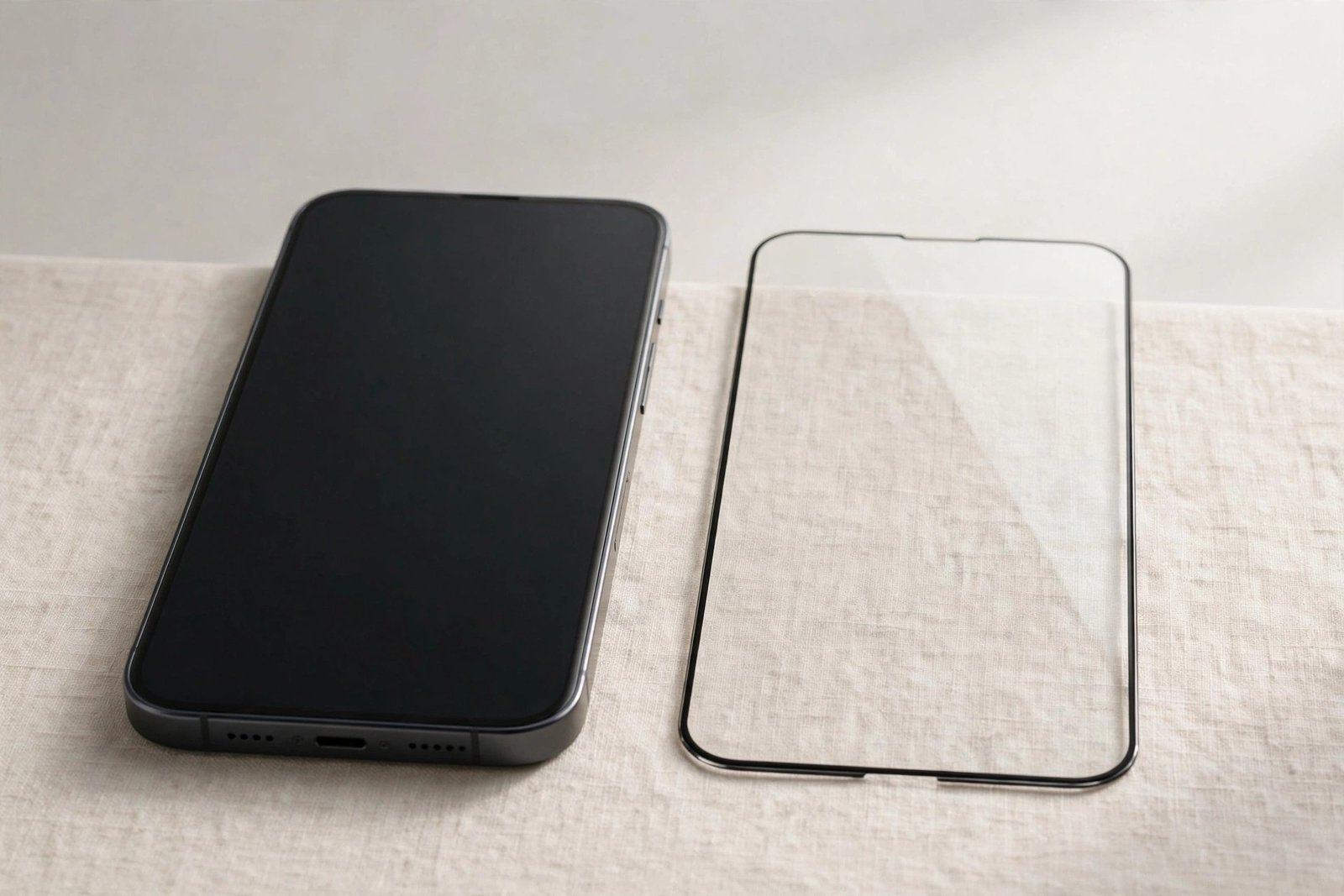
Here is the blunt arithmetic. A quality tempered-glass two-pack with an alignment frame costs about the same as a takeaway meal — call it the price of a few cups of coffee. An out-of-warranty screen replacement on a flagship phone costs hundreds, sometimes a third of the phone’s remaining value, and can take days of your time. The ratio is so lopsided that a protector only needs to prevent one cracked screen in your entire phone-owning lifetime to pay for itself many times over.
The counter-argument is probability: most people never crack a screen, so the “expected value” depends on how accident-prone your life is. But this misses the point. A protector is not a bet on cracking your screen — it is cheap insurance against an expensive, high-inconvenience event. You do not skip it because you think you will never drop your phone; you fit it because the downside of being wrong is enormous and the cost of being right is trivial.
Modern Glass Is Tough — But Against What?
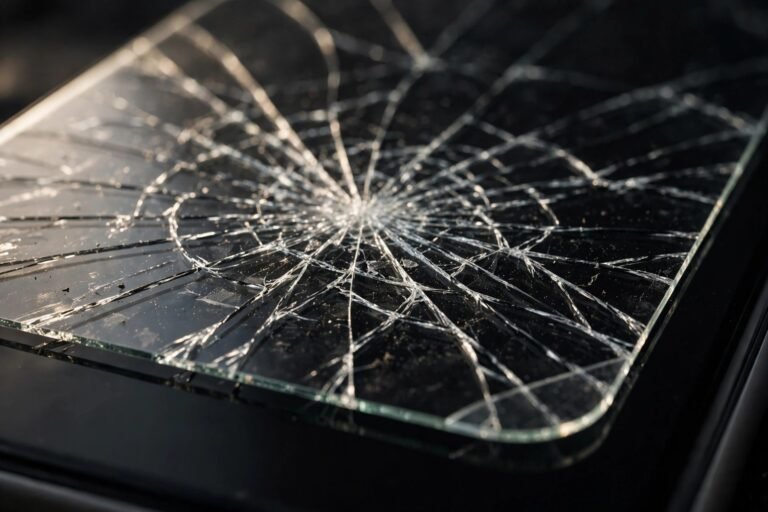
Phone manufacturers have genuinely improved drop resistance. Ceramic-infused display glass and newer hardened-glass generations are engineered to survive drops that would have shattered older screens. If drops were the only threat, the case for protectors would be much weaker than it used to be.
But the chemistry of glass toughness has a catch: the treatments that improve crack resistance do almost nothing for scratch resistance. Your display still scratches when something harder than the glass touches it — and that includes quartz sand, which is everywhere: beaches, parks, pockets with gritty lint, construction dust. A single grain of sand dragged across the screen leaves a permanent mark on a bare display, no matter how drop-resistant the marketing claims. A protector takes that scratch instead, and you replace it for pennies.
- Think of it this way: drops are rare but dramatic; scratches are constant and quiet. The protector’s real everyday value is absorbing the hundreds of tiny abrasions your bare screen would otherwise accumulate — the reason a two-year-old protected screen looks new while a bare one looks tired.
Who Gets the Most Value
Not everyone benefits equally. The strongest case belongs to anyone planning to sell or trade in their phone: a pristine screen is the single biggest factor in resale value, and one deep scratch can knock a meaningful amount off what you get back. A protector that costs a few pounds can preserve far more in resale — it is one of the best financial returns in phone accessories.
Parents of young children, people who work outdoors or in workshops, and anyone who carries their phone in a bag with keys and loose items are all in the high-value group. So are case-minimalists: if you refuse to wrap your phone in a bulky case for aesthetic reasons, a slim protector is the compromise that keeps the phone looking as you bought it while providing the one layer of defence you allow yourself.
Who Can Reasonably Skip One
There is a legitimate no-protector position. If you upgrade every year, the accumulated-scratch argument weakens — a year of careful use barely marks modern glass. If your phone lives in a pocket alone (no keys, no coins), you clean it only with microfibre, and you are genuinely careful, the risk profile is low. Display-quality purists — photographers, designers — may also prefer the optically perfect bare glass, accepting the small risk as the price of perfect clarity.
Be honest with yourself about which group you are in, though. Most people who “never drop their phones” have dropped them and been lucky, or have micro-scratches they simply have not examined under a bright light. The no-protector case works for the genuinely careful, not the hopefully careful.
- The resale test settles it for most people: if you would be annoyed to lose value on your phone because of a scratched screen at trade-in, fit a protector. If you keep phones until they die and do not care about cosmetic wear, you can take your chances.
Protector vs Phone Insurance
A protector and insurance solve different problems, so this is not either-or. Insurance (or a manufacturer care plan) covers the catastrophic events a protector cannot: a display panel that fails electronically, theft, loss, or a drop so severe the protector shatters with the screen. But insurance has excesses, claim limits, and monthly costs that dwarf a protector’s price — and it does nothing about the slow accumulation of scratches, which is the damage you are most likely to actually suffer.
The sensible stack for most flagship owners is both: a cheap protector handling the everyday cosmetic risk, and insurance or a care plan for the rare catastrophic one. If your budget forces a choice, ask which risk keeps you up at night — the scratch you will definitely get, or the shatter you probably will not.
Frequently Asked Questions
Do screen protectors affect resale value?
Enormously — in the positive direction. A screen that looks brand new at trade-in commands the best price, and a protector is the cheapest way to guarantee that. Peel it off before selling and the display underneath looks untouched.
Is a cheap protector as good as an expensive one?
For basic scratch and crack absorption, largely yes — the differences are in coating quality, edge finishing, and the alignment tools in the box. A mid-range tempered glass protector from a reputable brand is the sweet spot; ultra-cheap glass can have poor adhesive and weak oleophobic coating.
Does a protector guarantee my screen won’t crack?
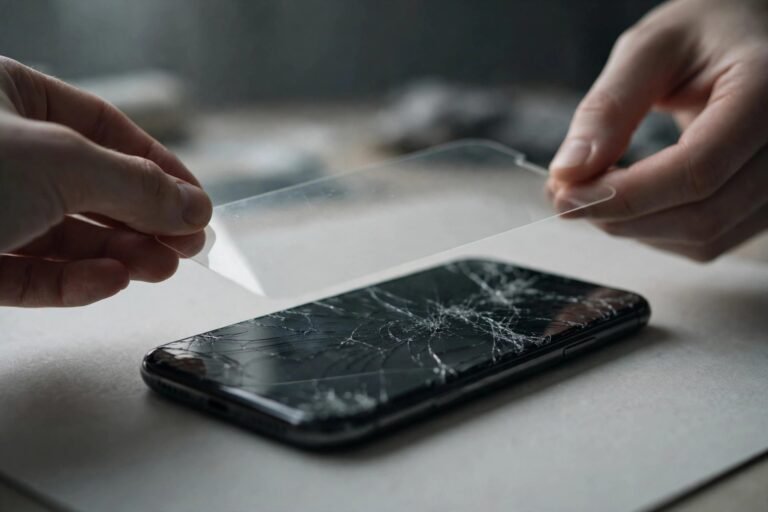
No — nothing guarantees that. A protector absorbs a meaningful share of impact energy and often sacrifices itself so the display survives, but a bad enough drop will crack both. Think of it as dramatically improving your odds, not eliminating the risk.
A few pounds of glass against a few hundred pounds of repair bill, plus a screen that still looks new on trade-in day. For most people, that is not a difficult decision.