Few accessories spark as much quiet debate as the humble screen protector. Some people fit one the moment a new phone leaves its box and would not dream of going without. Others call protectors a waste of money, pointing at years of unscathed screens. Both camps can point to genuine experience — so is a screen protector actually worth it, or is it just a comforting ritual?
The fairest way to answer is to look at the value equation rather than the slogans: what a protector costs, what it realistically prevents, what a repair costs when things go wrong, and how your own habits shift the odds. This guide works through that analysis honestly, including the cases where a protector gains you very little.
Key Takeaways
- The cost asymmetry is stark — a protector is cheap and replaceable, while a screen repair is one of the pricier fixes a phone can need.
- Protectors are best at stopping scratches, not guaranteeing survival of a bad drop.
- Preserved condition protects resale and trade-in value, where screen scuffs are heavily penalised.
- Careful users with good cover and gentle routines gain the least and may reasonably skip one.
- Your track record is the best predictor — past scratched screens say more than any general advice.
- The honest verdict for most people is yes, because the downside is tiny and the bad outcome it softens is expensive.
The Cost Asymmetry at the Heart of It
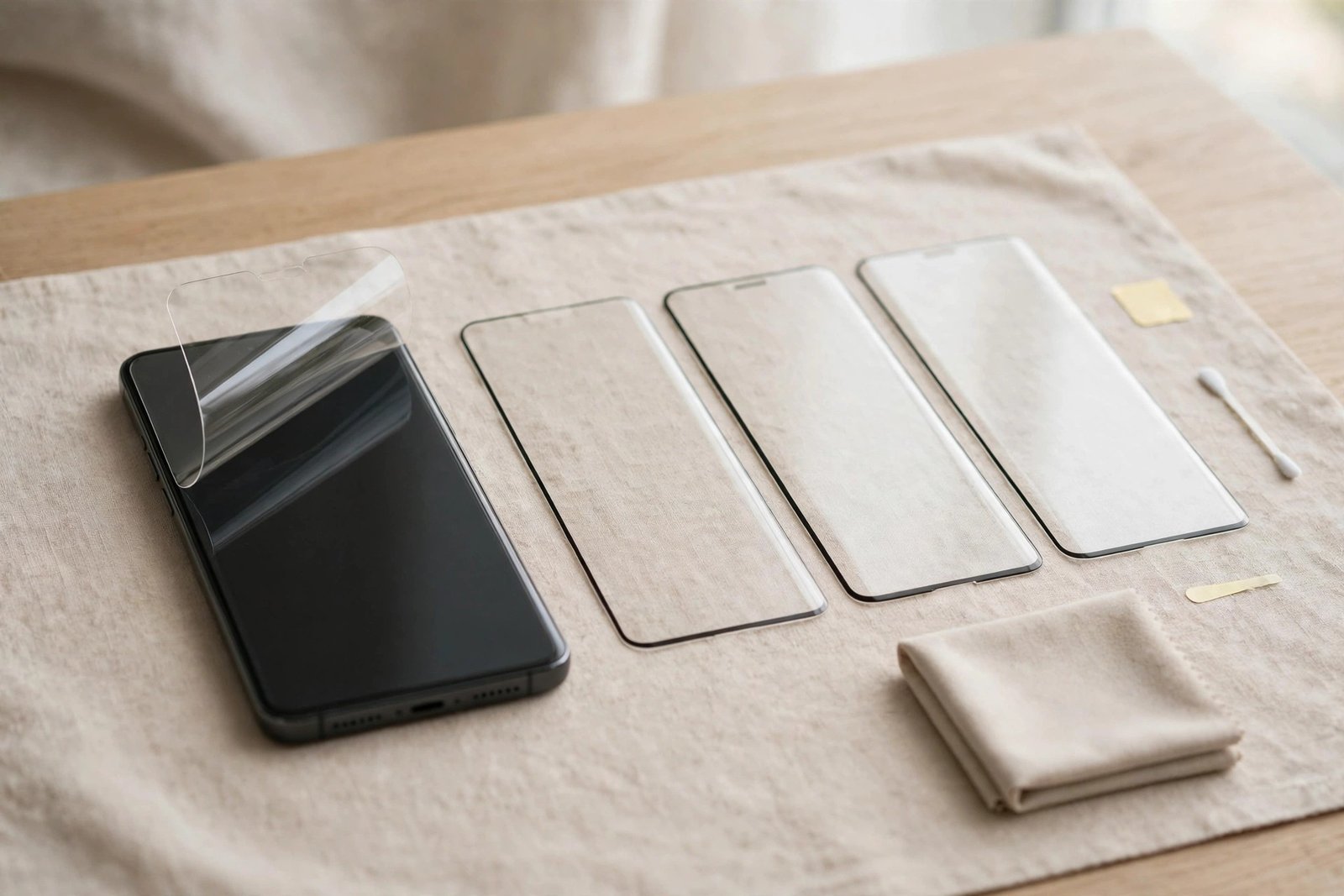
The core argument for a protector is simple arithmetic. A protector — particularly bought in a multi-pack — costs a small fraction of what a screen replacement costs, even before you factor in the inconvenience of booking a repair, being without your phone, and the risk that a repaired phone never quite feels factory-sealed again. Repair prices vary widely by model, age and where you have the work done, and flagship screens sit at the expensive end of that range, but the gap between the two figures is large in almost every comparison you can make.
Think of a protector the way you would think of a cheap insurance policy with a very low premium. You may never claim on it. Most protectors are peeled off at the end of a phone’s life having done nothing more dramatic than collect scratches — which is, of course, exactly the point. Those scratches landed on a replaceable sheet costing very little instead of on the display itself. Judged purely on that exchange, the protector has earned its money even if the phone never suffers a single drop.
What a Protector Can and Cannot Do
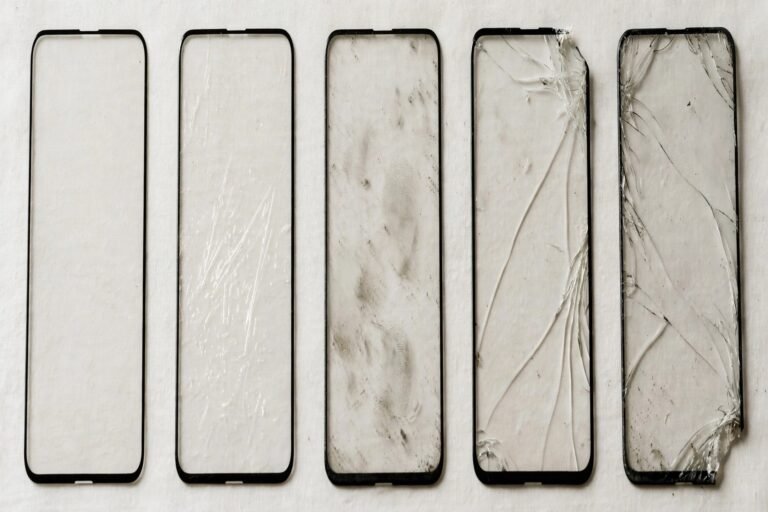
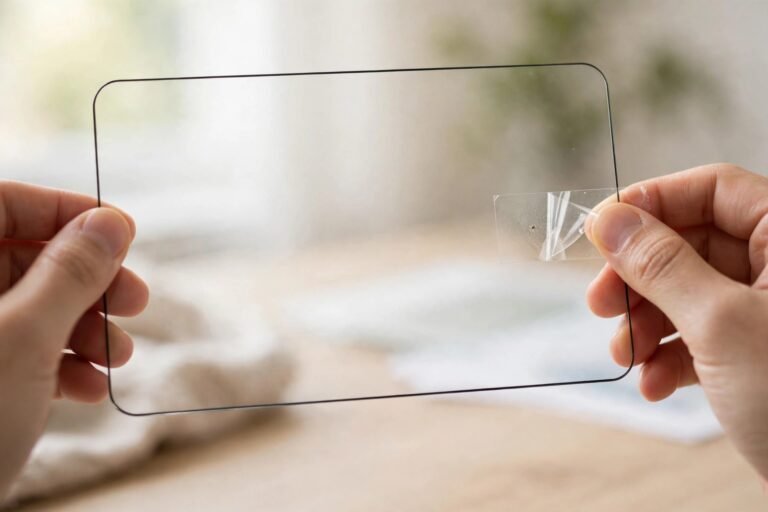
Honest value analysis means being clear about limits. A protector’s most reliable benefit is scratch prevention: keys, coins, grit and sand in pockets and bags cause the fine abrasion that slowly dulls an unprotected screen, and a protector takes all of it. Its second benefit is modest impact help — a tempered glass protector can absorb and spread the energy of some knocks and may crack in place of the screen, but it is not a guarantee. A phone that lands corner-first on concrete can break with or without one fitted.
There are also small costs on the other side of the ledger. A poor-quality protector can slightly reduce clarity or touch feel, oleophobic coatings wear over time so fingerprints show more, and protectors need replacing after cracks or when edges lift. For most people these are minor irritations rather than serious downsides, but they are real, and they explain why some careful owners prefer the bare glass experience. It is also worth noting that modern phone glass is genuinely tougher than it was a decade ago — scratch and shatter resistance have both improved — which narrows, but does not close, the case for protection.
- Check what a screen repair for your exact model costs through the manufacturer’s support pages — seeing the real figure makes the value decision much easier.
- If you trade in phones, ask how graders treat screen scratches; even light scuffing can move a device down a condition grade.
Resale Value and the Hidden Return
One part of the value equation is easy to overlook because it pays out years later. When you sell or trade in a phone, its screen condition is one of the most heavily weighted factors in the price you are offered. A display covered in fine scratches — the kind you stop noticing in daily use — can pull an otherwise immaculate phone into a lower condition band. A protector fitted from day one keeps the original glass effectively untouched, so the phone presents as near-new the moment the old protector is peeled away.
The same logic applies if you hand phones down to family members. A screen that has been protected stays brighter-looking and more pleasant to use for its second owner, and avoids an awkward repair bill landing on whoever inherits the device. For people who keep a phone until it dies, resale matters less — but a scratch-free screen is still nicer to look at every day.
Who Gains Least — and the Honest Verdict
There is a group for whom a protector genuinely adds little. If you are a consistently careful user, keep your phone in a good case with a raised lip, carry it in a dedicated pocket or compartment away from keys and grit, work in a low-risk environment, and have a track record of returning phones in near-perfect condition, the odds of meaningful screen wear are low. Add comprehensive accidental-damage cover, and the financial argument weakens further — though excesses and conditions vary, so check what your cover actually includes.
For everyone else — which is most of us — the middle verdict holds. A protector will not make your phone indestructible, and you should not pay premium prices expecting miracles from a thin sheet of glass. But as a cheap, sacrificial layer against the most common forms of screen wear, with a meaningful chance of saving you from a far larger bill, it comfortably justifies itself. The people most likely to regret skipping one are those whose jobs, sports, children or simple everyday clumsiness keep their phones in harm’s way — and they usually already know who they are.
- Judge by your last two phones, not your intentions: if their screens ended up scratched, fit a protector on the next one from day one.
- Multi-packs make the economics even clearer — a spare in the drawer means a cracked protector gets replaced immediately, not eventually.
Frequently Asked Questions
Do phones with tough modern glass still need a protector?
Modern display glass is more resistant to shattering and scratching than older generations, but it is not scratch-proof. Sand and grit in particular can still mark it, because those materials can be harder than the glass. A protector remains worthwhile if keeping the screen pristine matters to you.
Is a protector worth it if I already use a case?
A case and a protector do different jobs. A case guards the corners, back and edges and helps in drops; it does nothing about grit rubbing across the exposed screen in a pocket or bag.
Does insurance make a screen protector pointless?
Not necessarily. Cover terms, excess payments and claim limits vary, and a claim still means the inconvenience of a repair. Many insured owners still use a protector to avoid the hassle altogether. Check your own cover’s terms before deciding it makes protection unnecessary.
A protector is not a promise your screen will never break — it is a small, sensible bet against the wear and repair bills that catch most phones eventually. For most people, it is a bet worth taking.