You’ve just unboxed a OnePlus 12, run a fingertip across the screen, and felt something subtle — a faint edge, a slightly different texture. Is that a screen protector already fitted, or is it just the glass? And if something is on there, is it worth keeping?
OnePlus has a long-standing habit of pre-applying a basic film protector to its phones at the factory, and the OnePlus 12 generally follows that tradition — though what you find in the box depends on where you bought it. This guide explains what usually comes fitted, what it can and can’t do, and why many owners replace it with tempered glass anyway.
Key Takeaways
- The OnePlus 12 generally ships with a thin plastic film protector pre-applied in many regions.
- Box contents vary by region and retailer — always check your own phone rather than assuming.
- The pre-applied film is basic scratch protection only — it offers almost nothing against drops.
- Many regions also include a basic case in the box, so the phone has some protection from day one.
- Most owners eventually swap the film for tempered glass for better feel and impact protection.
What’s Actually on the Screen
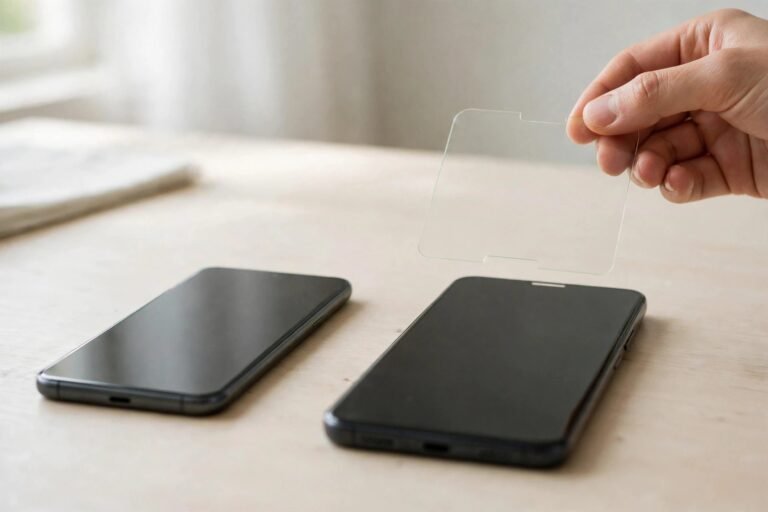
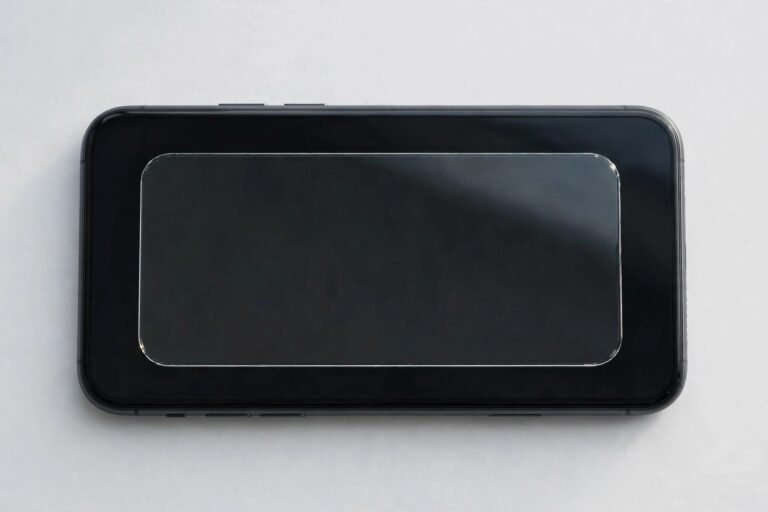
The layer fitted at the factory is a thin PET plastic film, applied perfectly in dust-free conditions — which is why it’s often hard to spot. Look closely at the edge of the front camera cut-out or catch the light at an angle across the display: a pre-applied film usually reveals itself as a hairline outline around the camera hole and a very slight step where the film ends before the curved edge of the glass.
Don’t confuse it with packaging film. The plastic you peel off a brand-new phone — the loose wrap with tabs on it — is transit protection and should be removed. The fitted film underneath has no tabs, sits completely flat with no bubbles, and is meant to stay on. If you’re unsure, the camera cut-out test is the reliable tell.
Why “In Many Regions” Matters
Phone packaging is not standardised worldwide. Manufacturers routinely adjust box contents by market — chargers, cases, and yes, pre-applied protectors can all differ between, say, an Indian retail unit, a European one, and a North American carrier model. Retailer bundles and refurbished units add further variation on top of that.
So while the OnePlus 12 typically arrives with the film fitted, treat any blanket statement — including this one — with a pinch of salt until you’ve checked your own handset. The camera cut-out inspection takes ten seconds and settles the question definitively for the phone actually in your hand.
- Run a fingernail very gently around the front camera hole. If it catches on a fine raised edge, that’s the pre-applied film — your phone is already wearing basic protection.
How Good Is the Pre-Applied Film?
As scratch protection, it’s genuinely useful. It keeps keys, coins, and grit away from the Gorilla Glass beneath, and because it was applied in a clean room, it’s flawlessly fitted — no dust, no bubbles, no crooked edges. For the first weeks of ownership, it does its job quietly and well.
Its limits are equally clear. Plastic film is soft, so it picks up scuffs and fine scratches of its own fairly quickly, gradually looking tired even while the glass beneath stays perfect. It also adds almost no impact protection: in a face-down drop, a fraction of a millimetre of plastic cannot absorb or spread meaningful force. And under the thumb it feels slightly draggier than bare glass or tempered glass.
Should You Replace It With Tempered Glass?
Many owners do, for three reasons: tempered glass feels like the phone’s real screen, it resists scratches far better over months of use, and it provides genuine sacrificial drop protection — it can crack so your display doesn’t. Because the OnePlus 12 has a curved display, look for glass designed specifically for curved screens, and take extra care with fit and case compatibility.
There’s no rush, though. A sensible approach is to keep the factory film while it’s fresh and flawless, and upgrade to glass when the film starts to look scuffed — or sooner if you know you’re clumsy. When you do swap, peel the film off first; never fit glass over the top of it, as the double layer ruins adhesion and touch response.
- The OnePlus 12 uses an ultrasonic in-display fingerprint sensor, which can be fussier with thick glass. If you upgrade to tempered glass, re-register your fingerprints afterwards, and check the protector is listed as fingerprint-sensor compatible.
What Else Is in the Box?
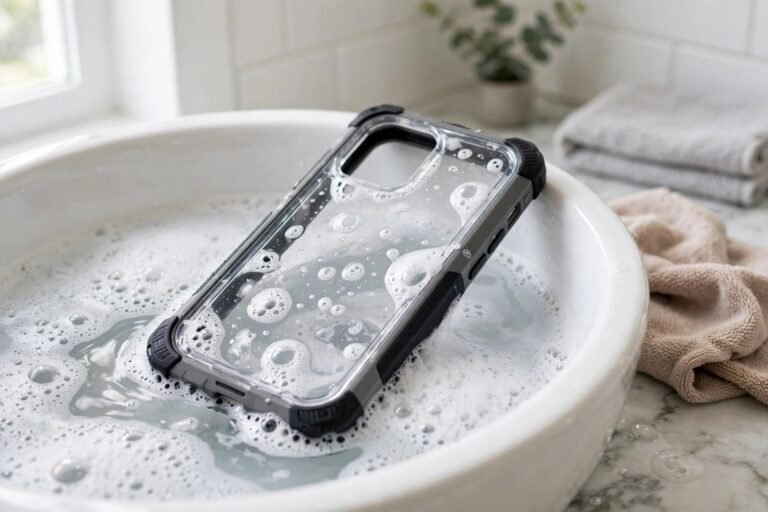
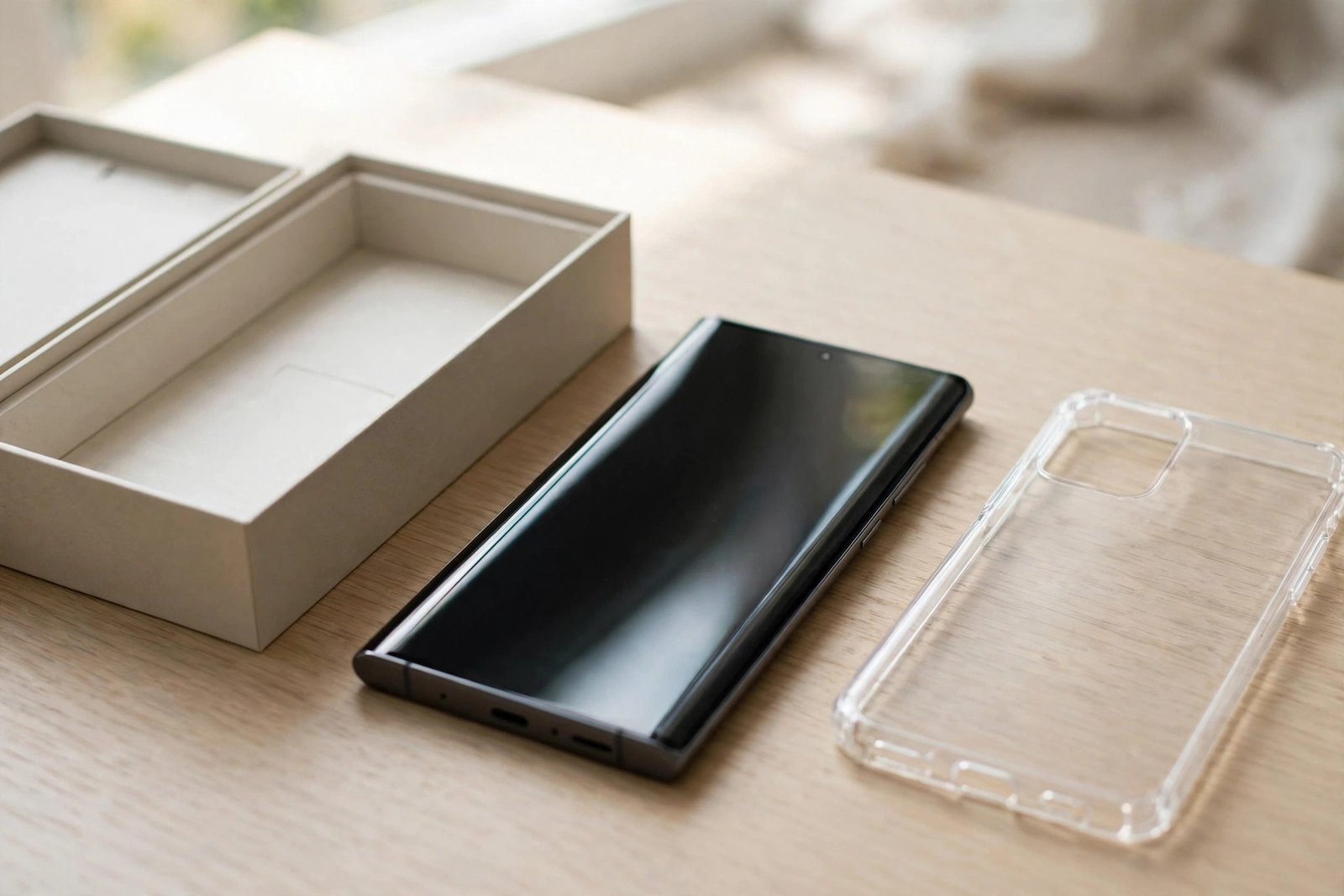
In many regions, OnePlus also includes a basic protective case in the box — typically a simple clear or matte shell. Combined with the pre-applied film, that means the phone can go straight into daily use with a reasonable level of protection on both the screen and the body, without buying anything extra on day one.
The bundled case is a starter rather than a heavy-duty option — slim, light, and fine for everyday knocks, but not a rugged cover. As with the film, treat it as a good beginning: upgrade either piece when your habits demand more, and enjoy the fact that the phone didn’t leave the shop naked.
Frequently Asked Questions
How can I tell if my OnePlus 12 has the film fitted?
Check around the front camera cut-out under a bright light at an angle — a fitted film shows a hairline outline and a slight edge you can feel with a fingernail. Loose, tabbed plastic is just packaging and should come off; the fitted film sits flat and edgeless.
Can I fit tempered glass over the pre-applied film?
No — peel the film off first. Glass fitted over film adheres poorly, traps dust and bubbles between the layers, and can dull touch and fingerprint-sensor response. One protector, fitted properly on bare glass, always beats two stacked together.
Does removing the factory film affect my warranty?
The film is a consumable accessory layer, not part of the phone itself, so removing or replacing it shouldn’t affect your handset warranty. If you’re in any doubt about a specific retailer’s terms, check with them — but peeling off a worn film to fit fresh protection is normal, expected use.
Your OnePlus 12 very probably arrived already wearing basic protection — a quietly useful head start. Keep the film while it’s fresh, upgrade to glass when it tires, and your screen stays covered either way.