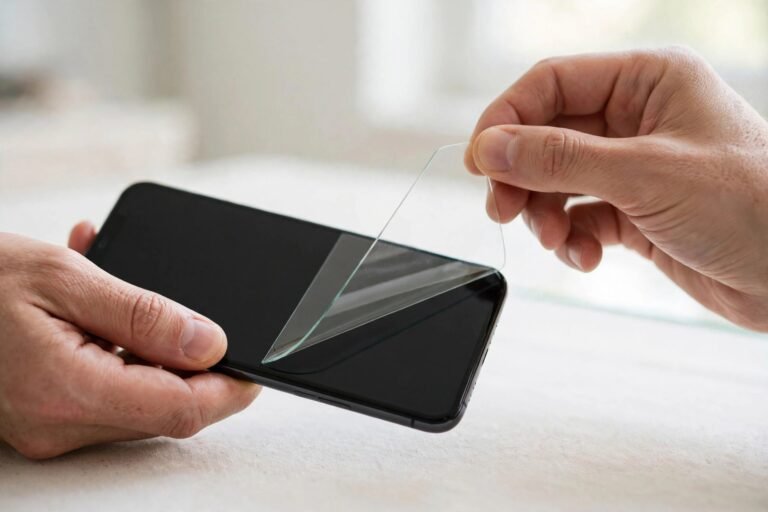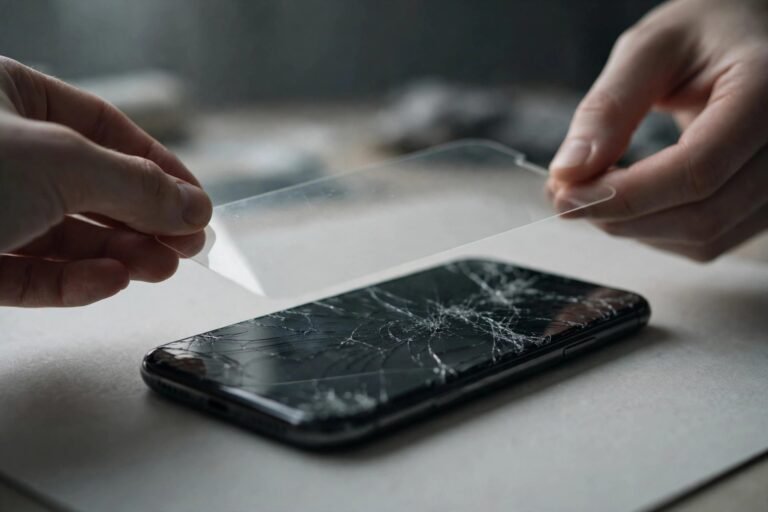
Every screen protector owner knows the moment: you peel the glass off to clean underneath, or it lifts at a corner, and suddenly the adhesive side has collected dust, lost its tack, and will not stick properly any more. Before you throw it away and open a fresh one, it is worth knowing that a protector’s stickiness can often be revived — at least partially, and at least for a while.
This guide covers which revival methods actually work, which ones risk ruining the protector, and — just as important — how to tell when the adhesive is genuinely finished and replacement is the smarter move.
Key Takeaways
- Most adhesion loss comes from dust and oils on the sticky side — cleaning it properly restores much of the tack.
- Washing with mild soap and water is the safest revival method for tempered glass protectors.
- Film (PET/TPU) protectors are harder to revive and more easily damaged by washing.
- Never use harsh chemicals, heat guns, or abrasive cloths on the adhesive side.
- If the adhesive is visibly patchy, yellowed, or the protector is cracked, replace it — revival will not hold.
Why Protectors Lose Their Stick
Screen protector adhesive is a silicone-based layer designed to bond to clean glass through close surface contact. It does not “dry out” the way glue does — instead, it loses grip because contaminants get between the adhesive and the screen. Every time the protector lifts, microscopic dust settles on the exposed sticky surface. Fingerprints add skin oils. Pocket lint, cleaning spray residue, and moisture all degrade the contact. The adhesive itself is usually fine; it is just dirty.
This is good news, because dirt can be removed. It also explains why a protector that has simply been sitting undisturbed for a year still sticks perfectly — no contamination, no problem. Revival is really just decontamination: get the sticky side clean again without damaging it, and much of the original tack returns.
Method 1: The Soap and Water Wash
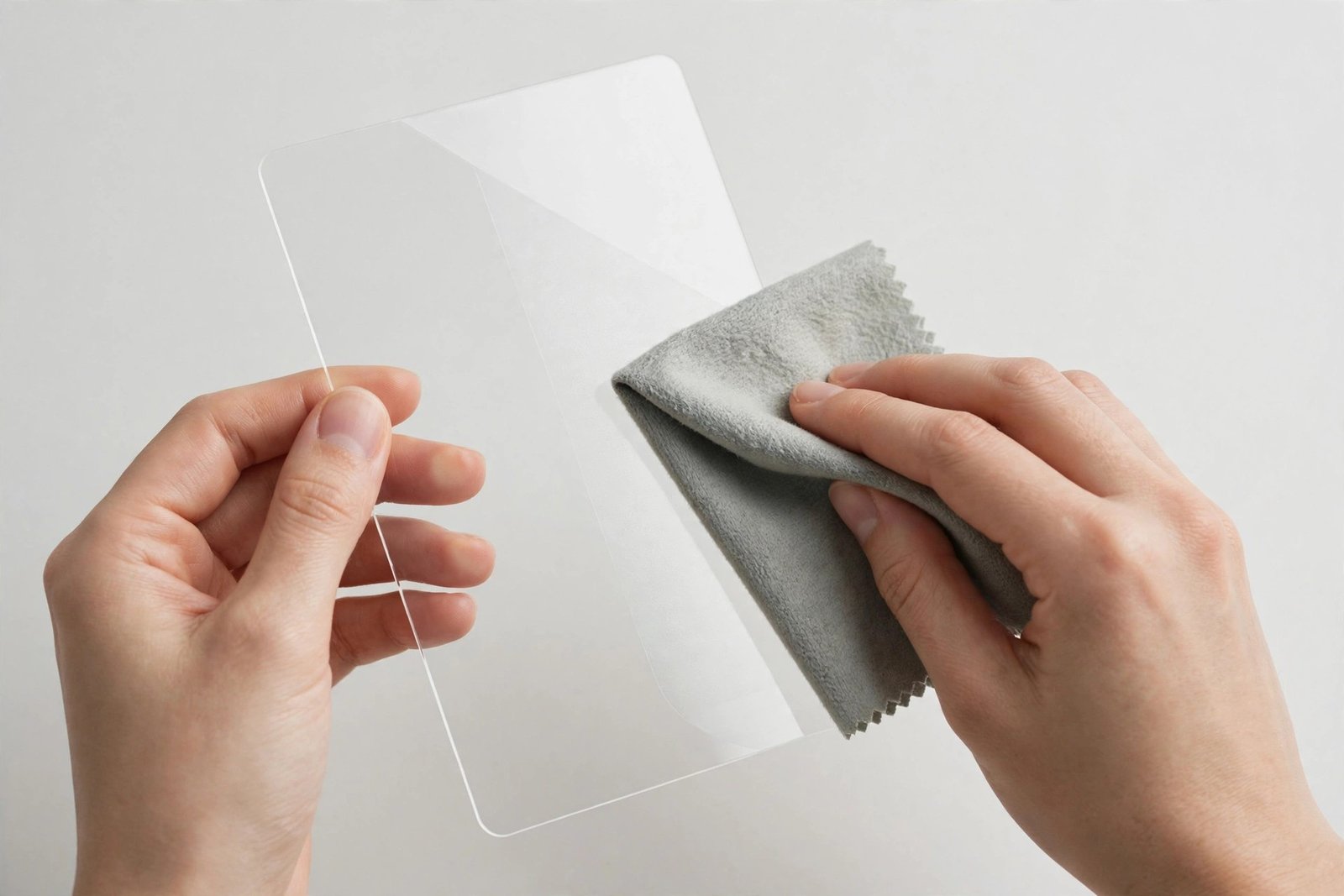
This is the most reliable revival method for tempered glass protectors. Run lukewarm — not hot — water, add a tiny drop of mild dish soap, and gently wash the adhesive side with your fingertips, using light circular motions. The goal is to lift oils and fine dust without scrubbing. Rinse thoroughly under the tap to remove all soap residue, since dried soap film will interfere with adhesion just as surely as dust does.
Shake off excess water and let the protector air-dry adhesive-side up on a clean microfibre cloth — do not towel-dry the sticky side, which reintroduces lint. Once fully dry, inspect it under a light: if the adhesive looks uniform and clear, it is ready to reapply to a freshly cleaned screen. This method routinely restores glass protectors to near-original tack.
- Wash your hands first and handle the protector only by its edges throughout. The oils from a single fingertip touch on the adhesive side are enough to create a visible bubble that will not smooth out.
Method 2: The Tape Lift for Light Contamination
If the protector has only lifted slightly at one corner and picked up a little dust, a full wash is overkill. Instead, take a strip of clear packing tape or a dust-removal sticker and press it gently onto the contaminated area of the adhesive side, then peel it away. The tape lifts dust specks without disturbing the adhesive layer. Repeat with fresh tape sections until the area looks clean under a light.
This method is quick, safe for all protector types including film, and ideal for the common scenario: you lifted a corner to chase out a dust bubble during installation and need to put it straight back down. Work in a still, dust-free spot and reapply promptly — every minute the adhesive sits exposed, it collects more.
What NOT to Do
A few popular internet suggestions will ruin your protector. Do not use alcohol, acetone, or any solvent on the adhesive side — they can dissolve or cloud the silicone adhesive layer, leaving it permanently tacky in patches or completely dead. Do not use a hairdryer or heat gun to “reactivate” the adhesive; heat warps film protectors and can weaken the bond layer on glass. Do not scrub with anything abrasive, including paper towels, which leave lint and micro-scratches.
Also avoid the temptation to add your own adhesive. Double-sided tape, craft glue, or spray adhesives create uneven thickness, trap air permanently, and can damage the phone’s oleophobic coating when eventually removed. A protector’s adhesive is engineered as a precise thin layer; improvising on top of it never ends well.
Film Protectors: Handle With Extra Care
PET and TPU film protectors are thinner, softer, and far less forgiving than tempered glass. Washing can work, but the film curls the moment it gets wet, making it extremely difficult to lay flat again without creases — and a creased film is ruined. For film, the tape-lift method is strongly preferred, and even then, success rates are lower than with glass.
Frankly, film protectors are cheap enough that revival is rarely worth the effort. If a film protector has lost adhesion, the pragmatic move is usually a fresh one from the multi-pack — which is precisely why films are sold in packs of three or more.
- Prevention beats revival. The number one cause of adhesion loss is repeated lifting — every peel exposes fresh adhesive to dust. Get the installation right the first time (alignment frame, dust-free room) and a good protector will stay stuck for a year or more.
When to Stop Reviving and Replace
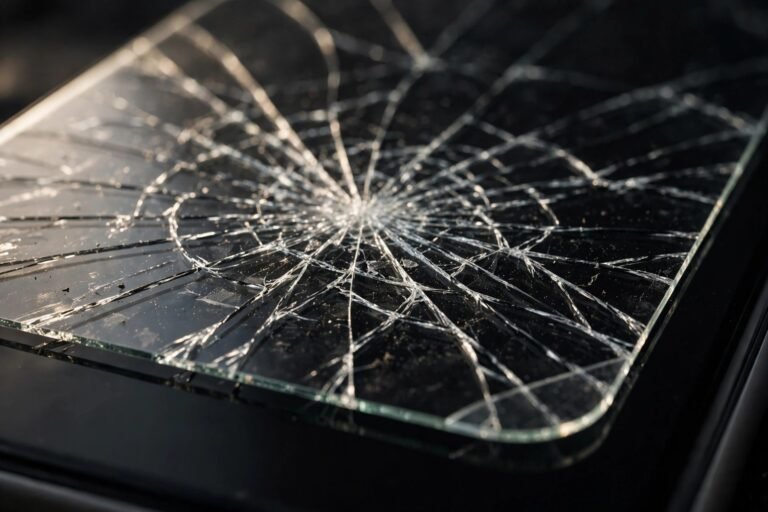
Revival has limits. Replace the protector if the adhesive looks visibly patchy or discoloured after cleaning, if the glass itself is cracked or chipped, if edges keep lifting within hours of reapplication, or if you can see permanent smudges in the adhesive layer that washing did not remove. A protector that will not stay flat is worse than no protector — its lifted edges catch on pockets and cases, collect grime, and eventually peel off at the worst moment.
Also consider the economics: a quality tempered glass two-pack often costs less than a takeaway coffee. If you have already spent twenty minutes washing, drying, and reapplying a protector twice, your time is worth more than the replacement. Revival is best reserved for the “lifted once during installation” scenario, not as a long-term maintenance strategy.
Frequently Asked Questions
Can you reuse a screen protector after taking it off?
Yes, if it is undamaged and you kept the adhesive side clean. Tempered glass reuses well after a gentle soap-and-water wash; film protectors are harder to reuse successfully. Always clean the phone screen afresh before reapplying.
Why won’t my screen protector stick at the edges?
Edge lifting is usually caused by dust under the edge, a case pushing the protector up, or a protector that is not case-friendly for your setup. Clean the edge area with the tape method, check case clearance, and press the edge down firmly for 30 seconds.
Does water ruin screen protector adhesive?
Plain water does not damage silicone adhesive — the soap-and-water wash is a proven revival method. What ruins adhesive is soap residue left behind (rinse thoroughly), solvents like alcohol, and physical abrasion. Let the protector dry completely before reapplying.
A protector’s stickiness is almost never truly gone — it is just dirty. A gentle wash restores tempered glass remarkably well, a tape lift handles minor contamination, and knowing when to replace instead saves you from fighting a losing battle.