Let’s strip the question down to money. A screen protector for the iPhone 13 costs very little. An iPhone 13 screen repair costs a great deal. And a scratched screen quietly bleeds value out of the phone every day until the day you sell it. So: do you need a screen protector for an iPhone 13? Judged purely as a financial decision, the answer for most owners is yes — and this guide shows the sums behind that verdict, plus the situations where skipping one genuinely makes sense.
No habit quizzes here, just three numbers weighed against each other: what a screen repair costs, what scratches do to resale and trade-in value, and what protectors cost over the life of the phone.
Key Takeaways
- An out-of-warranty iPhone 13 screen replacement is one of the most expensive common repairs — many times the cost of a protector.
- Even light scratching can knock a noticeable amount off trade-in and resale value, because graders judge the screen first.
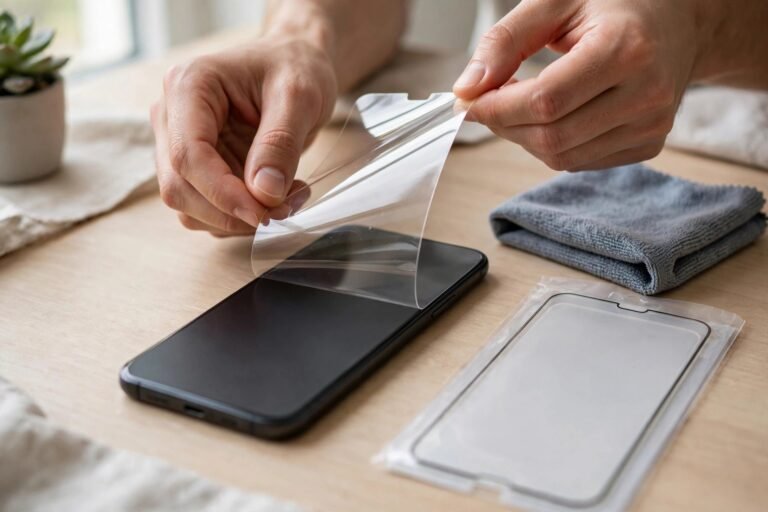
- Protectors are a replaceable consumable: swap a worn one and the screen beneath is still as new.
- Over three years, even several protectors together cost a fraction of one repair bill.
- Skipping makes financial sense mainly for short-cycle upgraders with accidental-damage cover already in place.
The Repair Bill You Are Trying to Avoid
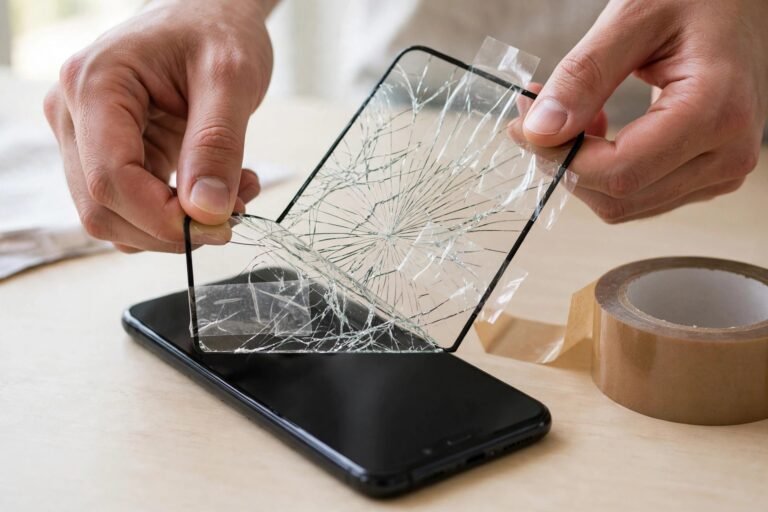
The iPhone 13’s display is a sophisticated OLED panel bonded to that Ceramic Shield glass, and replacing it out of warranty is priced accordingly — it is routinely the single most expensive routine repair on the phone, costing more than many people paid for their previous handset. One cracked screen can turn a three-year-old phone into an economic write-off decision: repair it at high cost, or replace the whole device early.
A protector does not guarantee the screen survives a drop — nothing can promise that. But it meaningfully improves the odds, absorbing and spreading impact and frequently cracking instead of the display. As insurance arithmetic, it is lopsided: a tiny, known cost against a large, plausible one.
Scratches: The Slow Leak in Your Phone’s Value
Repairs are the dramatic risk; resale is the certain one. The iPhone 13 holds its value well, but trade-in schemes and buyers grade condition strictly, and the screen is the first thing they examine. A display covered in fine scratches drops the phone a grade, and a grade is worth real money — typically far more than a protector ever cost.
The important detail is that this damage is one-directional. Ceramic Shield resists drops well, but sand and grit in pockets and bags still etch fine lines into it over the months. You cannot polish those marks out later or argue with a grader. A phone that has lived under a protector, on the other hand, is revealed at sale time with a screen that looks essentially new — the wear is all on a layer you throw away.
- Before trading in, peel the protector off and present the pristine screen — graders assess the glass, not the layer you are discarding.
- Keep at least one spare protector in a drawer; the unprotected week between a crack and a replacement arriving is when screens get damaged.
What Protectors Actually Cost Over the Phone’s Life
The honest running cost is low. Most owners replace a protector somewhere between once a year and once every couple of years — when it cracks in a fall, when its edges lift, or when its surface has collected enough scratches to look tired. Add up even three or four protectors across the whole life of the phone and the total is still a small fraction of one screen repair, and usually less than the resale value lost to a single grading step.
There is also a quality-of-life dividend that belongs in the ledger: the owner of a protected screen never has to baby the phone. It can go face-down on a desk, ride in a bag, and be handed to children without a flicker of financial anxiety.
When Skipping One Makes Financial Sense
There are honest exceptions. If you upgrade every year, scratches barely have time to accumulate and the resale difference within twelve months is small. If you already pay for accidental-damage cover with a modest excess, the repair risk is largely transferred, and the protector’s remaining job — scratch prevention — may not be worth even its small cost to you.
And if the phone is a secondary device, or one you simply do not intend to sell afterwards, the resale argument falls away too. The money case rests on keeping, valuing and eventually parting with the phone — remove those, and going bare is rational.
- If you rely on damage cover, check the excess and the claim limit — two cracked screens in a year can cost more in excesses than years of protectors.
- Buy protectors in a multi-pack: the per-unit cost drops sharply, and a spare is always to hand.
The Bottom Line
For the typical iPhone 13 owner — keeping the phone two to four years, no damage cover, planning to sell or trade it in eventually — the money is not close. Fit the protector. The exceptions are real but narrow: short ownership, existing cover, or a phone whose future value you genuinely do not care about.
Frequently Asked Questions
Does a screen protector guarantee my iPhone 13 screen won’t crack?
No — and be suspicious of anything that promises otherwise. A protector reduces the chance of a cracked screen and absorbs the everyday scratches completely, but a hard corner-first fall can still break the display. Think of it as shifting the odds heavily in your favour for very little money, not as armour.
Is a protector worth it if I already have accidental-damage cover?
It depends on your excess. If a screen claim costs you little and cover is already paid for, the repair argument mostly disappears — but cover does nothing for scratches, which still dent your trade-in grade. Many covered owners skip protectors for drops yet fit one purely to protect resale value.
How often will I need to replace the protector itself?
Typically every one to two years, or immediately after it cracks — a cracked protector has done its job and should be swapped while the screen beneath is still perfect. Because they are cheap and sold in multi-packs, the lifetime cost stays trivial next to any repair or resale figure in this guide.
Weighed as money rather than superstition, the iPhone 13 protector is one of the easiest yeses in phone ownership — small, certain cost now, against a large repair bill and a quieter leak in value later.