Hydrogel screen protectors have moved from a niche fitting-shop product to a mainstream option, cut to size in stores and sold in packs for home fitting. The claims sound ideal: the film heals its own scratches, hugs curved screens perfectly, and feels barely there. As with most protector types, the reality is a set of genuine strengths balanced by real compromises.
So, is a hydrogel protector good? For curved screens and light, everyday scratch protection, it can be very good indeed. For drop protection, it cannot compete with tempered glass. This guide explains what hydrogel film actually is, where it shines, where it falls short, and how installation differs, so you can decide whether it suits your phone and your habits.
Key Takeaways
- Hydrogel is a soft TPU-based film that can self-heal minor scratches and scuffs over time.
- It is excellent for curved screens, wrapping edges that rigid glass cannot follow.
- Impact protection is limited — it guards against scratches far better than against drops.
- The feel is softer and slightly grippy, with a faint orange-peel texture some people dislike.
- Installation may be wet or dry depending on the product, and small bubbles often settle as the film cures.
- It suits careful users with curved-screen phones who prioritise coverage and scratch defence over drop defence.
What Hydrogel Film Is and How Self-Healing Works
Hydrogel protectors are made from a soft, flexible thermoplastic polyurethane material — usually shortened to TPU — related to the films used in paint protection on cars. The material is slightly elastic, which is the secret to both its coverage and its self-healing behaviour. When the surface picks up a light scratch or scuff, the material slowly relaxes and flows back, and the mark fades or disappears over hours, sometimes helped by gentle warmth from the device or your hands.
Self-healing has clear limits. It deals with the fine, shallow marks left by keys, coins, and everyday contact. A deep cut, a puncture, or a tear is permanent — the material cannot regrow across a gap. Think of the effect as the film quietly tidying up daily wear so it stays looking fresh for longer, rather than repairing real damage. Even so, for users whose protectors usually end up covered in hairline scratches, the difference after a few months is noticeable.
- Give self-healing time to work. A scuff that looks obvious on Monday may have largely faded by Wednesday — judge the film after a few days of normal use, not in the first hour after the mark appears.
Where Hydrogel Beats Glass — and Where It Does Not
The strongest case for hydrogel is curved screens. Rigid glass cannot bend around a curved edge, so glass protectors either stop short, rely on adhesive only at the borders, or lift at the sides. Hydrogel film simply follows the curve, giving true edge-to-edge coverage that stays down. It is also very thin and light, works reliably with under-display fingerprint sensors because it bonds fully across the surface, and is easy for shops to cut precisely for unusual or older models that glass makers no longer support.
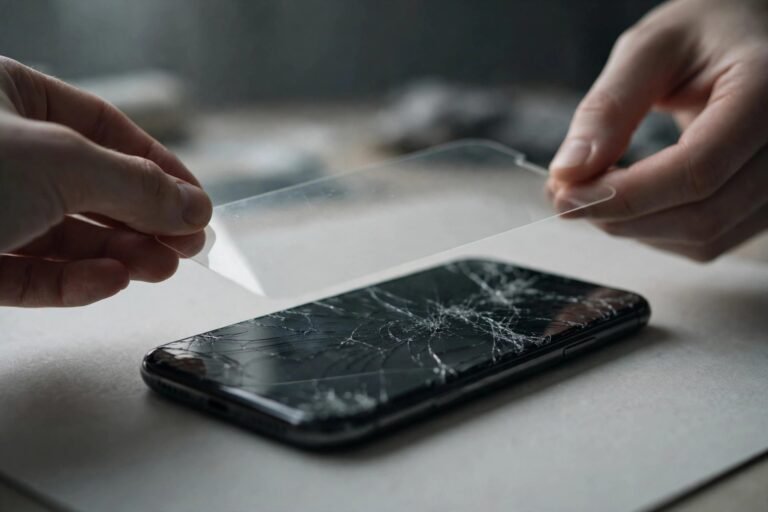
Where it falls short is impact. A soft film absorbs very little drop energy compared with tempered glass, which sacrifices itself to save the screen. If you drop your phone often, work in rough environments, or have cracked a screen before, film alone — hydrogel included — is a gamble. The feel also divides opinion: hydrogel has a slightly rubbery drag under the fingertip, and under certain light many films show a faint dimpled texture often called orange-peel. Typing and scrolling remain perfectly usable, but glass feels slicker and looks clearer.
Fitting Hydrogel: Wet, Dry, and Shop-Cut Options
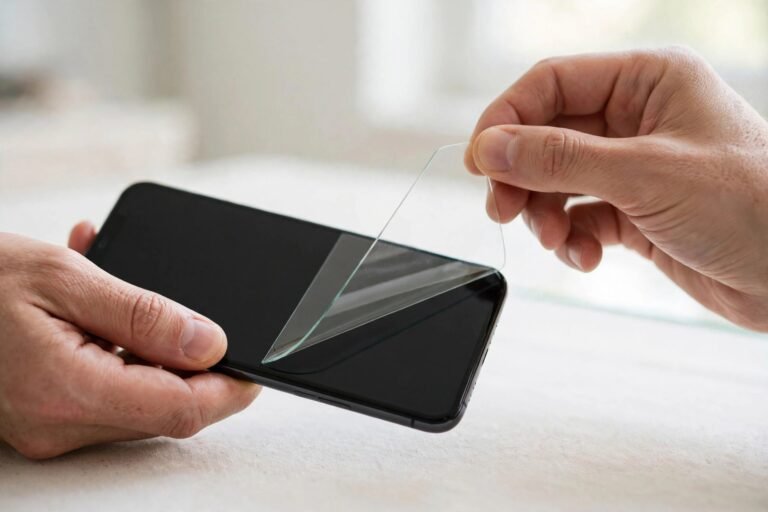
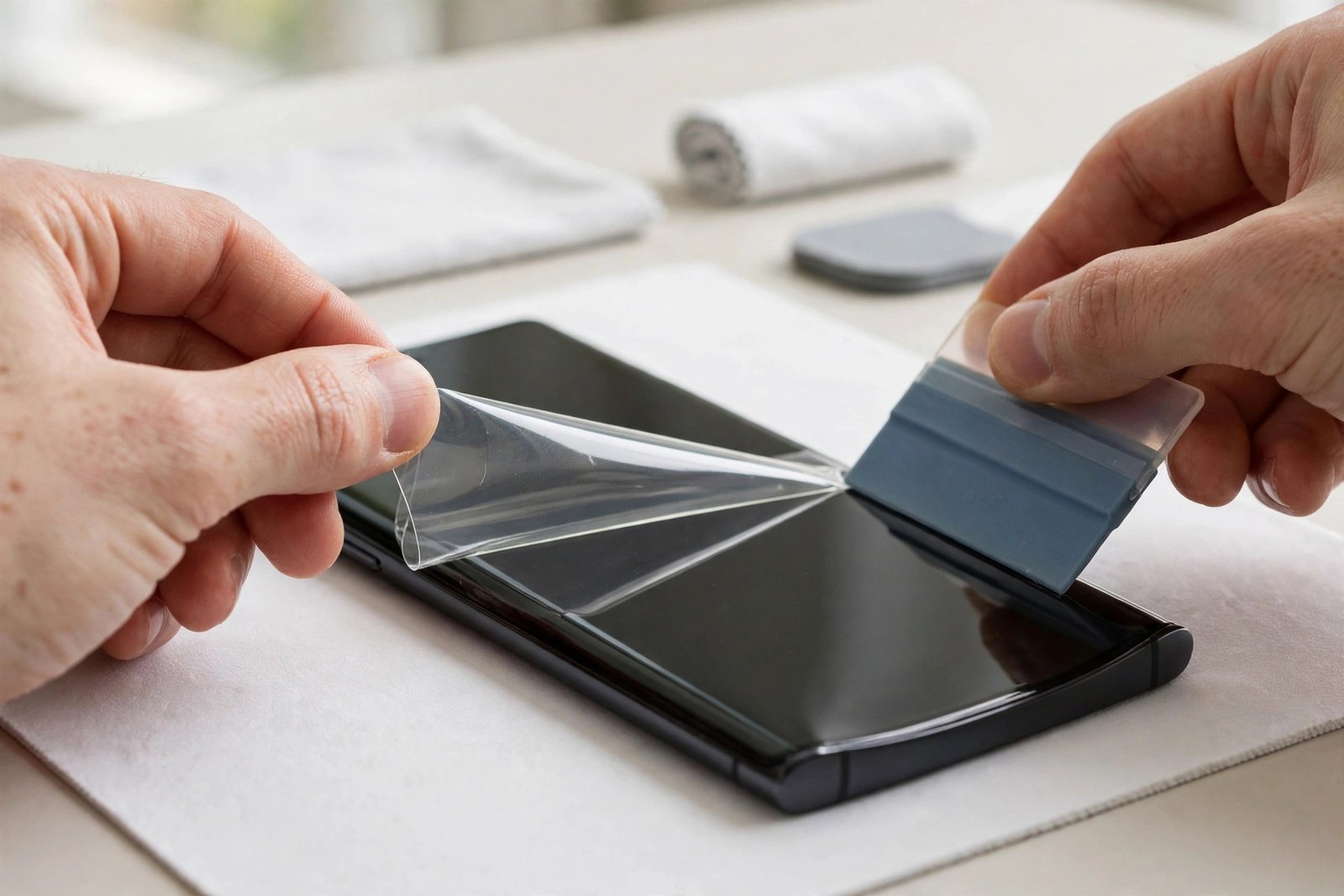
Installation depends on the product. Some hydrogel films use a wet-install method: you lightly mist the adhesive side with a supplied solution, position the film — the moisture lets you slide it into place — then squeegee out the liquid. Others are dry-install films applied with alignment tabs or a fitting tray, much like ordinary film. Many high-street shops also offer machine-cut hydrogel fitted for you in minutes, which suits anyone who dislikes fitting protectors themselves.
Newly fitted hydrogel commonly shows small bubbles, haziness, or lines that look alarming at first. Unlike glass, the film typically settles as it cures over the following day or two, and minor imperfections often disappear on their own. Avoid the temptation to peel it up and start again immediately. Use the squeegee gently, working from the centre outward, and do not stretch the film while positioning it — stretched TPU can creep back and lift at the edges once your case goes on.
- Leave your case off for several hours after fitting, ideally overnight. Hydrogel edges are at their most vulnerable while the bond settles, and a tight case fitted too soon is the most common cause of corners lifting in the first week.
Who Should Choose Hydrogel
Hydrogel is a good choice if your phone has a curved display that glass fits badly, you use a case with a raised lip that provides some drop cushioning, and your main enemy is scratches from pockets, bags, and desks. It also suits people who value full coverage and a barely-there look, and anyone whose phone model is poorly served by glass protectors. Paired with a decent case, it forms a sensible, balanced protection setup for careful users.
Choose tempered glass instead if drop protection is your top priority, you prefer a slick, glass-like feel, or you use a stylus heavily and want the firmest possible surface. Cost is not a clear decider either way: hydrogel prices vary widely between home packs and shop-cut fitting services, and both change frequently, so compare what is included — spares, fitting help, and replacement policy — rather than price alone. The right answer is the one that matches how you actually treat your phone.
Frequently Asked Questions
Does hydrogel work with fingerprint sensors?
Yes, generally very well. Because the film is thin and bonds across its whole surface with no air gap, under-display fingerprint sensors usually read reliably through it. If you notice slower unlocks after fitting, delete your saved fingerprints and register them again with the film in place, which normally restores the original speed.
How long does a hydrogel protector last?
It depends on use, but many people get several months to around a year before edges lift, the surface accumulates deeper marks, or the film simply looks tired. It tends to be replaced for cosmetic reasons rather than dramatic failure. When the edges start catching or the orange-peel texture worsens, a fresh film restores the feel cheaply and quickly.
Can I use hydrogel with a case?
In most cases, yes — full-coverage film and a snug case occasionally compete for the same edge space, so check the corners after fitting the case. If a corner lifts, a case-friendly cut of the film, which stops slightly short of the edges, usually resolves it. Letting the film cure fully before fitting the case makes problems far less likely.
Hydrogel is genuinely good at the job it is designed for: flexible, self-healing scratch protection that follows curved screens where glass cannot. Pair it with a case, accept its softer feel, and it is a smart choice — just do not ask it to survive drops like glass.