Walk into any phone shop or browse any marketplace and you will face the same wall of choice: tempered glass, PET film, TPU, hydrogel, matte, privacy, blue-light filtering — each claiming to be the best screen protector. The honest truth is that there is no single best type for everyone. The right choice depends on your device, how you use it, and what you are actually trying to protect against.
This guide cuts through the marketing and compares the main types head to head: what each one does well, where each falls short, and which suits different users. By the end, you will know exactly which category to shop in — and which premium extras are worth paying for.
Key Takeaways
- Tempered glass is the best all-rounder for most people: the clearest display, the most natural touch feel, and sacrificial crack protection.
- TPU and hydrogel films are the best choice for curved displays and foldables, where rigid glass cannot follow the shape.
- Matte protectors trade a little sharpness for glare reduction and a paper-like feel that stylus users love.
- Privacy protectors are the pick for commuters and open-plan workers, but they dim the screen and must be viewed straight-on.
- Match the protector to your priority — clarity, durability, glare, privacy, or feel — rather than chasing the most expensive option.
Tempered Glass: The Best All-Rounder
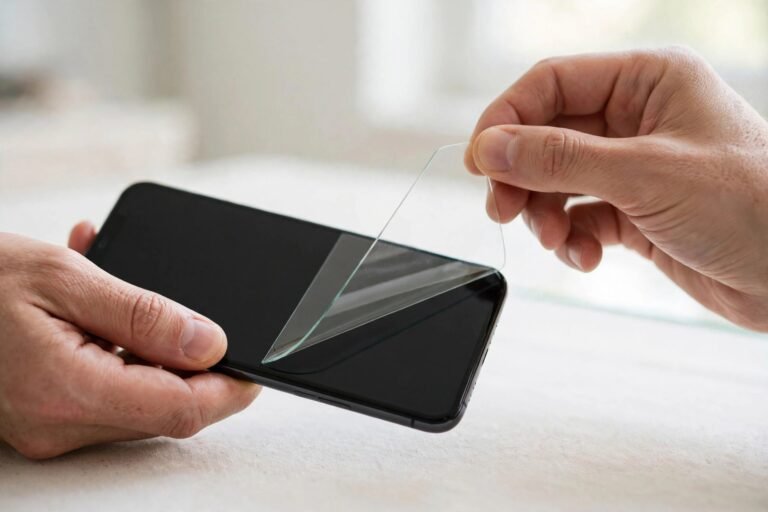
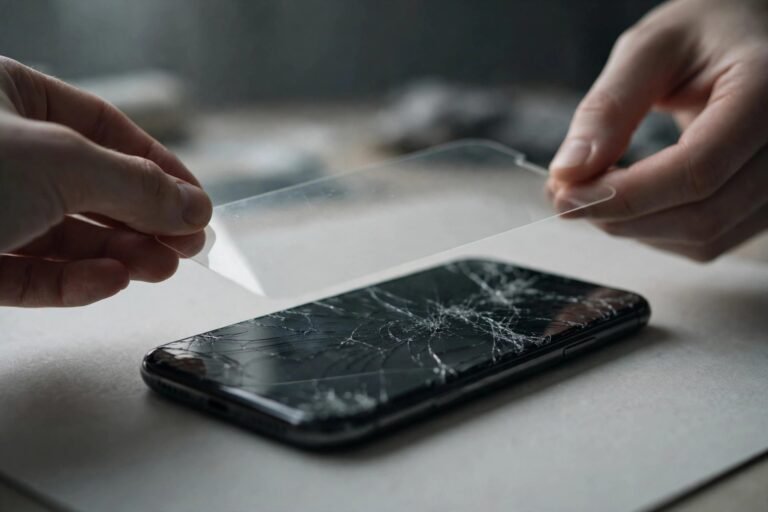
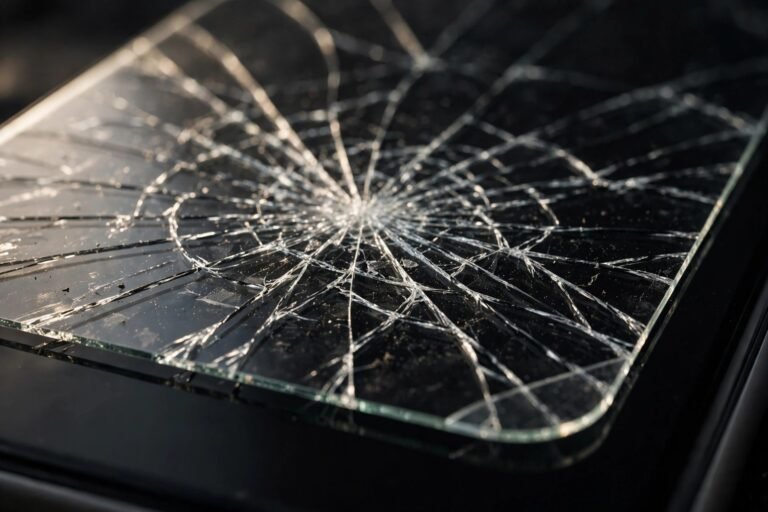
For the majority of phone and tablet owners, tempered glass is the right answer. It is a thin sheet of chemically strengthened glass that bonds to the display with a silicone adhesive. Because it is glass, it looks and feels the most like the bare screen: colours stay vivid, touch response is immediate, and the oleophobic coating resists fingerprints well. On a drop, it works by sacrifice — the protector cracks instead of your display, and you replace a cheap sheet of glass rather than an expensive screen.
The limitations are real but narrow. Rigid glass cannot follow curved edges, so phones with curved displays need film instead. Very cheap glass can have weak edge adhesion or short-lived coatings. And on phones with under-display ultrasonic fingerprint sensors, thicker glass occasionally affects recognition — usually fixed by re-registering fingerprints after installation. For flat-display phones, tablets, and watches with flat screens, though, tempered glass wins on every metric that matters day to day.
TPU and Hydrogel Films: Best for Curved and Folding Screens
Where glass cannot go, flexible films take over. TPU (thermoplastic polyurethane) and hydrogel films are soft, pliable layers that conform to curved edges and folding displays. Many are marketed as “self-healing,” meaning fine scratches in the film gradually fade — a genuine property of the material, though deep scratches remain visible.
The trade-offs: films do not feel as premium as glass under the finger, they can show a slight orange-peel texture, and they offer less impact protection — a film will not absorb a corner drop the way sacrificial glass does. They are also trickier to install without bubbles. Choose film when your device’s shape demands it — curved-edge phones, foldables, and some smartwatches — and glass everywhere else.
- Device shape decides glass versus film before anything else does. Flat display? Glass, every time. Curved edges or a folding screen? Film is not the compromise — it is the only option that fits.
Matte Protectors: Best for Glare and Stylus Use
Matte protectors use a frosted finish that scatters reflections, dramatically cutting glare in bright sunlight or under office lighting. As a bonus, the textured surface gives styluses a paper-like resistance that digital artists and note-takers strongly prefer over the slippery glide of clear glass. If you draw, annotate, or work outdoors, matte is transformative.
The cost is image quality. The same frosting that kills reflections also scatters the display’s own light, so colours look slightly washed out and fine text a touch softer — most noticeable on high-resolution screens. Matte finishes also show smudges differently and can feel draggy to users who prefer a slick surface. It is the best choice for specific needs, not the best default.
Privacy Protectors: Best for Public Spaces
Privacy protectors embed microscopic louvres — like tiny window blinds — that narrow the viewing angle so the screen looks dark to anyone glancing from the side. For commuters, frequent flyers, and open-plan office workers handling sensitive information, they are the only protector type that addresses a real security concern rather than a physical one.
Expect compromises: the louvre layer dims the display noticeably, so you will run higher brightness (and use more battery); viewing the screen yourself at an angle — say, with the phone on a desk — is also darkened; and the finish can interfere slightly with touch sensitivity on some models. Buy privacy only if shoulder-surfing is a genuine concern in your daily life.
What About Blue-Light Filtering and Antimicrobial Coatings?
These are extras layered onto the base types above, not types in themselves. Blue-light filtering glass tints the display slightly warm and claims to reduce eye strain; the evidence for meaningful benefit is thin, and your phone’s built-in night mode does the same job for free. Antimicrobial coatings inhibit bacterial growth on the surface — a nice hygiene bonus, but not a substitute for cleaning, and the coating wears off over time like any oleophobic layer. Treat both as tie-breakers between otherwise equal options, not as reasons to choose a type.
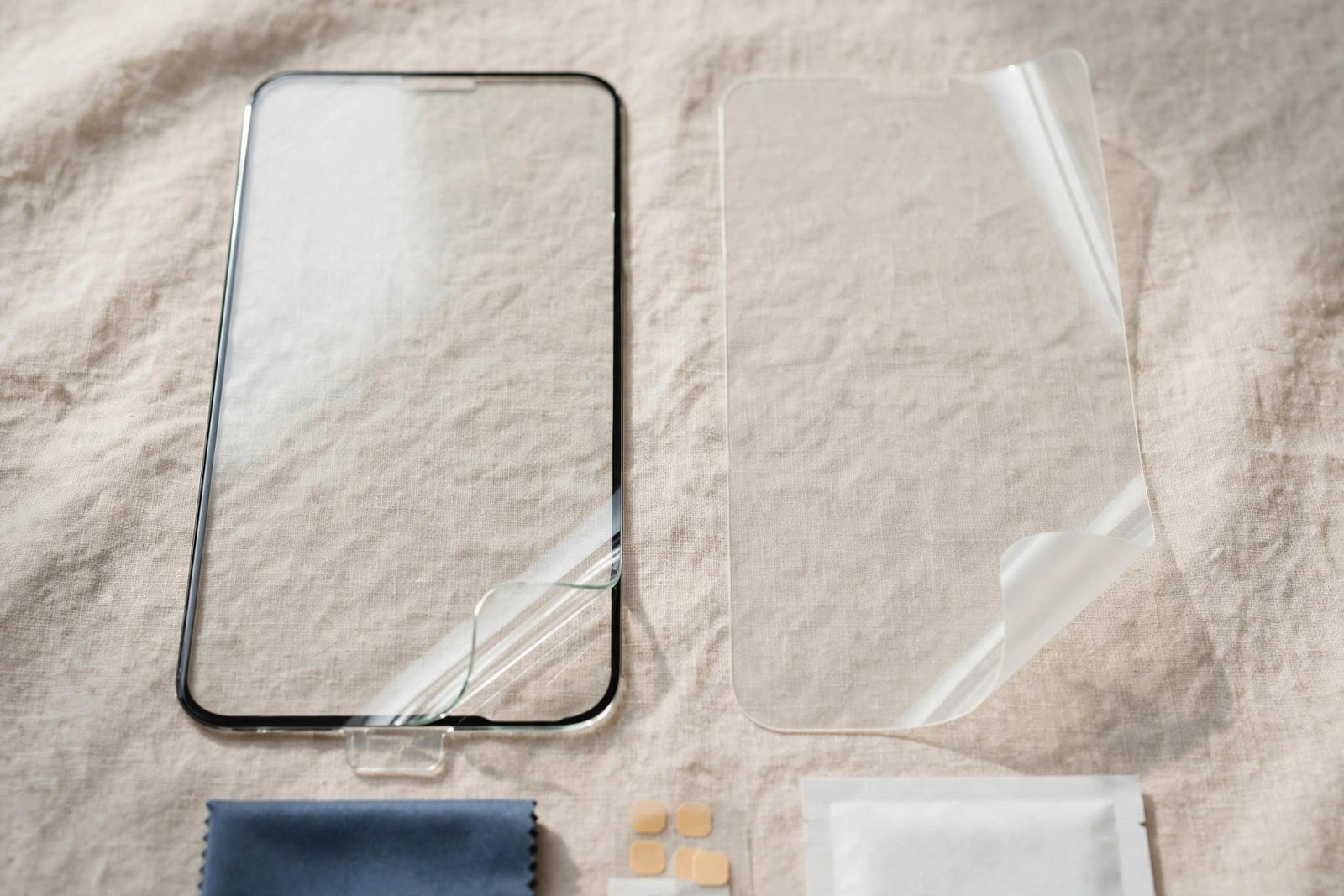
- Ignore feature-stacking when comparing. A clear tempered glass with an alignment frame in the box will serve you better than a feature-loaded protector with a poor fit — fit quality beats bonus features every time.
So, Which Should You Buy?
Match the type to your situation. Most phone and tablet users with flat displays: clear tempered glass. Curved or folding display: TPU or hydrogel film. Heavy stylus user or outdoor worker: matte. Commuter handling sensitive data: privacy. In every case, prioritise a protector cut precisely for your exact model, an alignment frame for installation, and a case-friendly fit if you use a tight case. The “best” screen protector is not the most expensive one — it is the one whose strengths line up with how you actually use your device.
Frequently Asked Questions
Is expensive tempered glass better than cheap tempered glass?
Up to a point. The jump from the cheapest no-name glass to a mid-range branded protector buys you better edge adhesion, a longer-lasting oleophobic coating, and more consistent cutouts. Beyond that, premium pricing mostly buys retail support, warranties, and speciality finishes rather than dramatically better protection.
Can I use a matte protector on a phone with an under-display fingerprint sensor?
It can work, but matte and privacy finishes add optical layers that occasionally interfere with sensor reading, particularly ultrasonic sensors. If your phone relies on one, check buyer feedback for your exact model, and be prepared to re-register your fingerprints after fitting the protector.
Do I even need a screen protector with modern toughened display glass?
Modern display glass resists shattering well but still scratches — keys, sand, and grit will mark it. A protector is cheap insurance that keeps the actual display pristine for resale value. If you use a phone case with a raised lip and never put the phone in pockets with keys, you can reasonably skip one; everyone else benefits.
There is no universal “best” — only the best for your device and habits. Start with the shape of your display, pick the type that matches your priority, and choose a well-fitting example of that type. Do that, and you will have made a better choice than most of the marketing ever suggests.